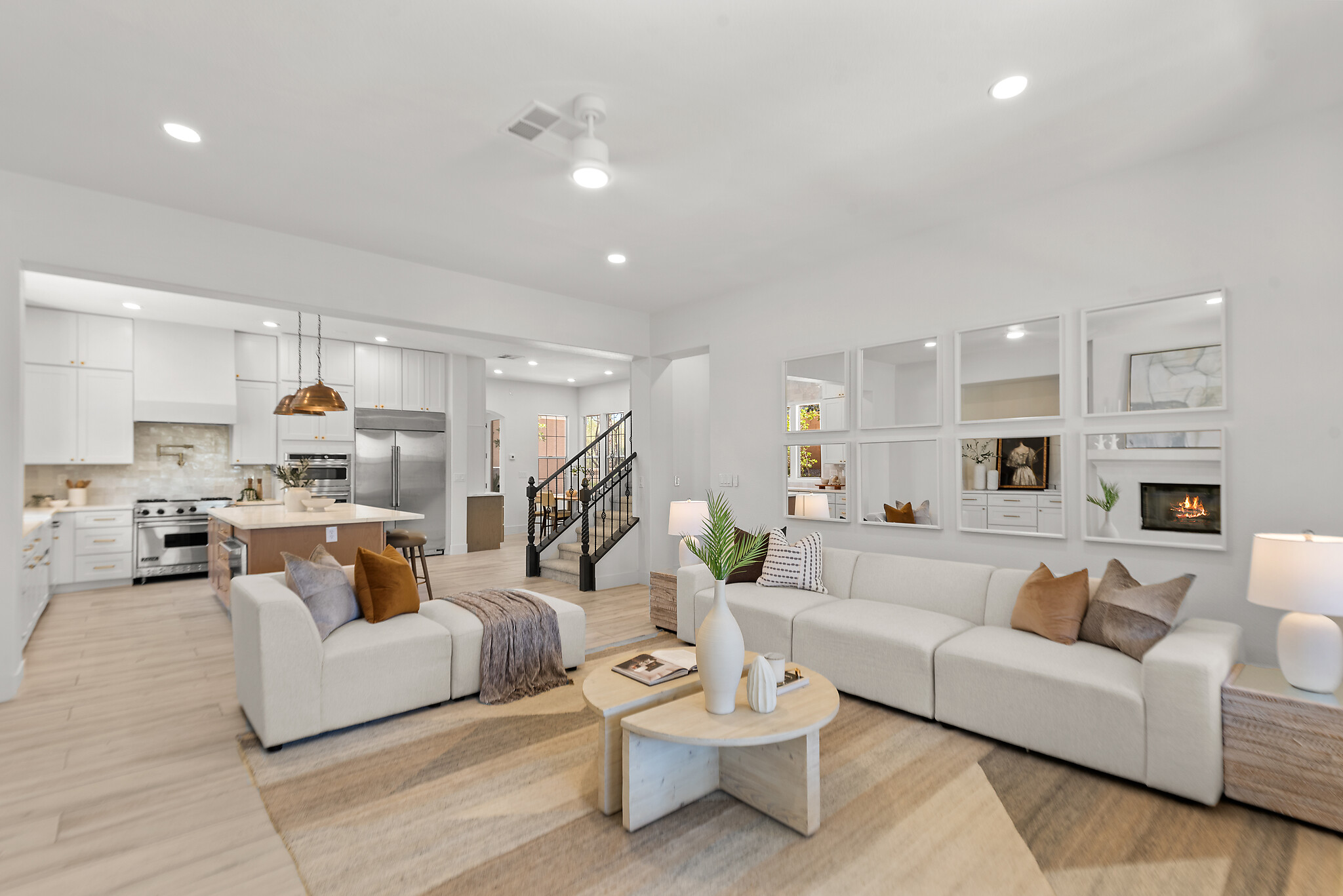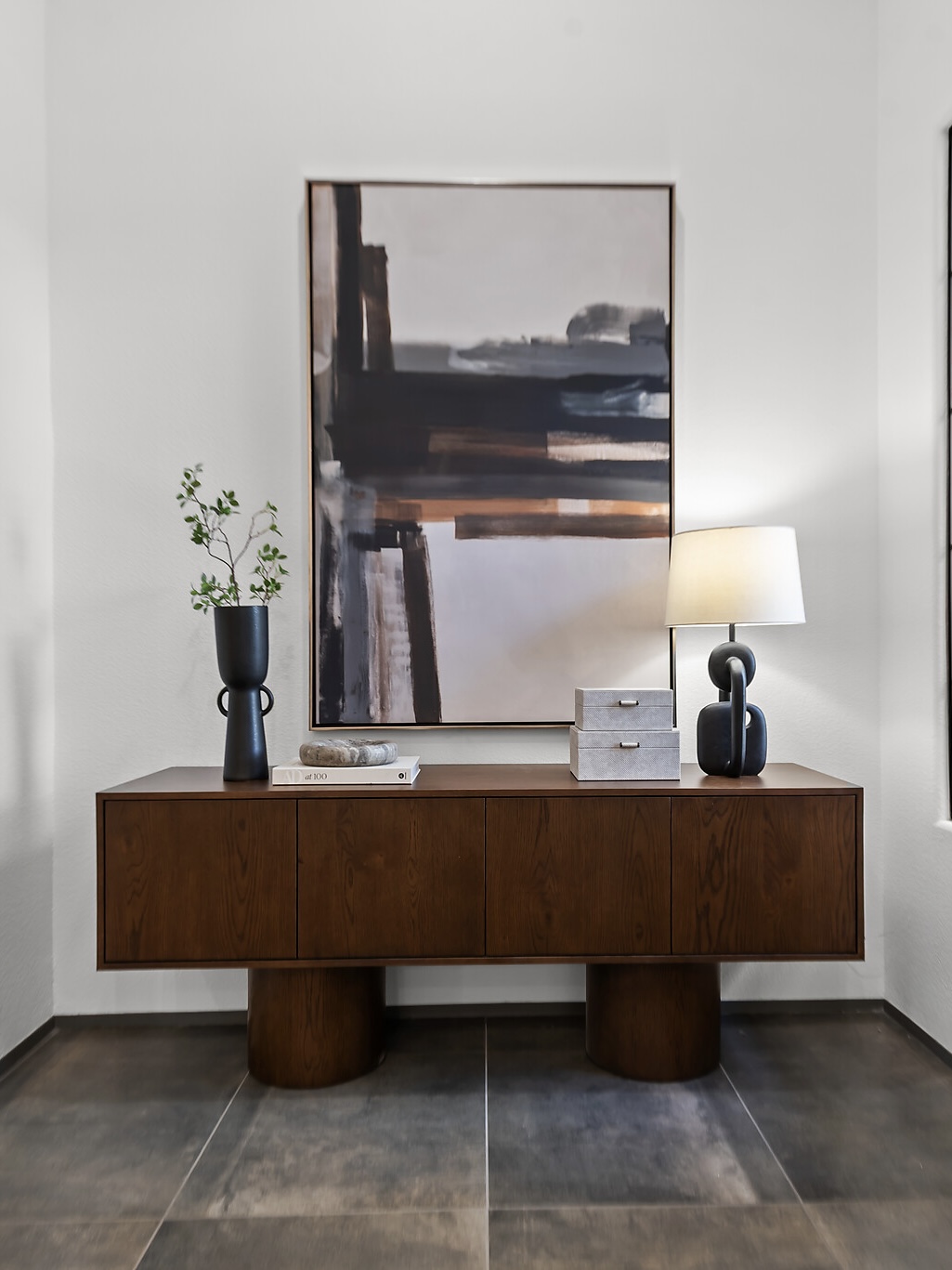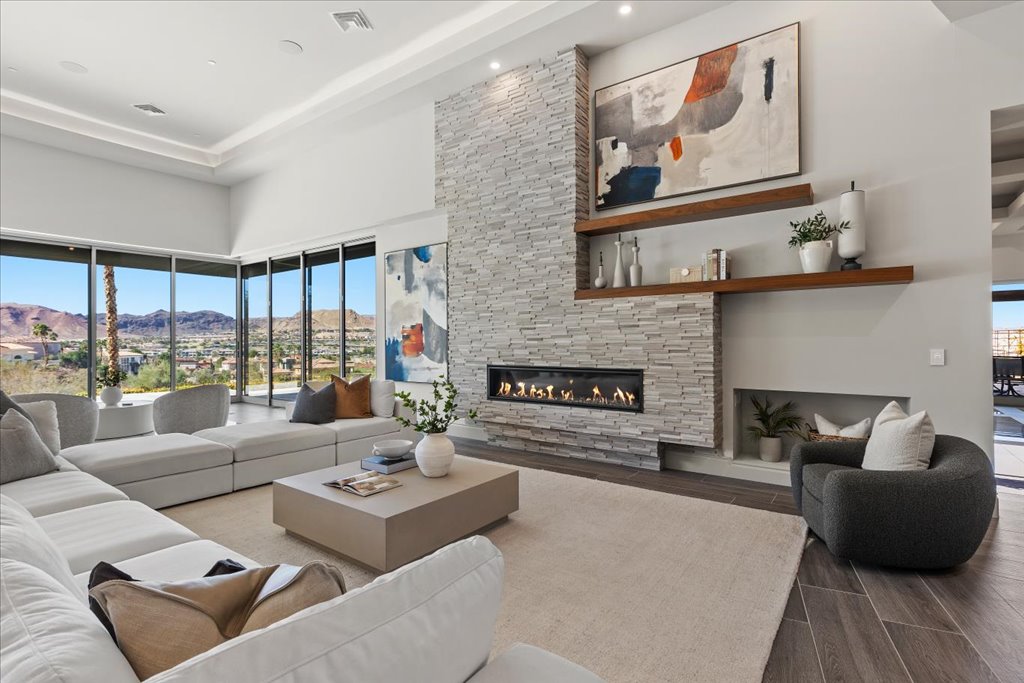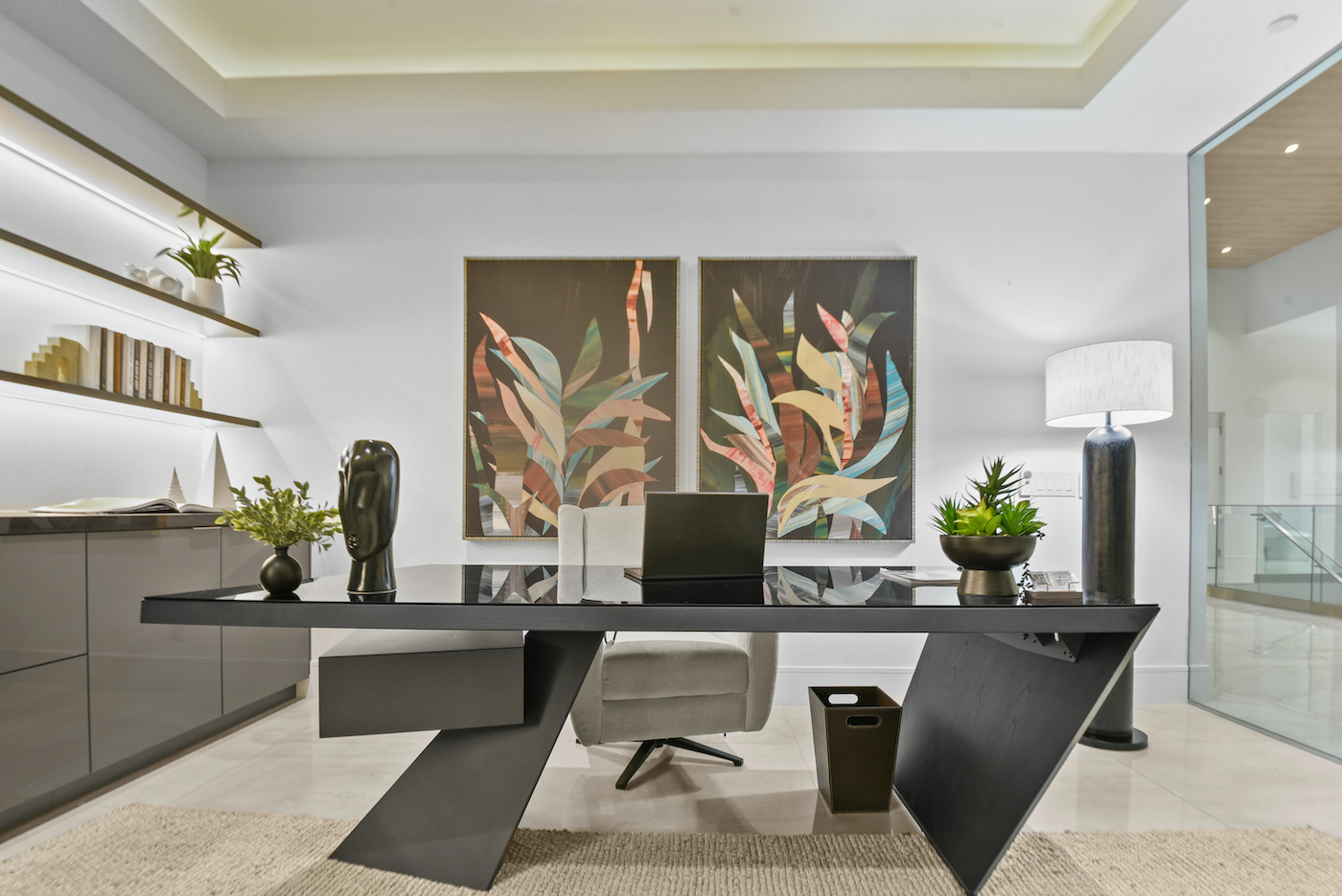
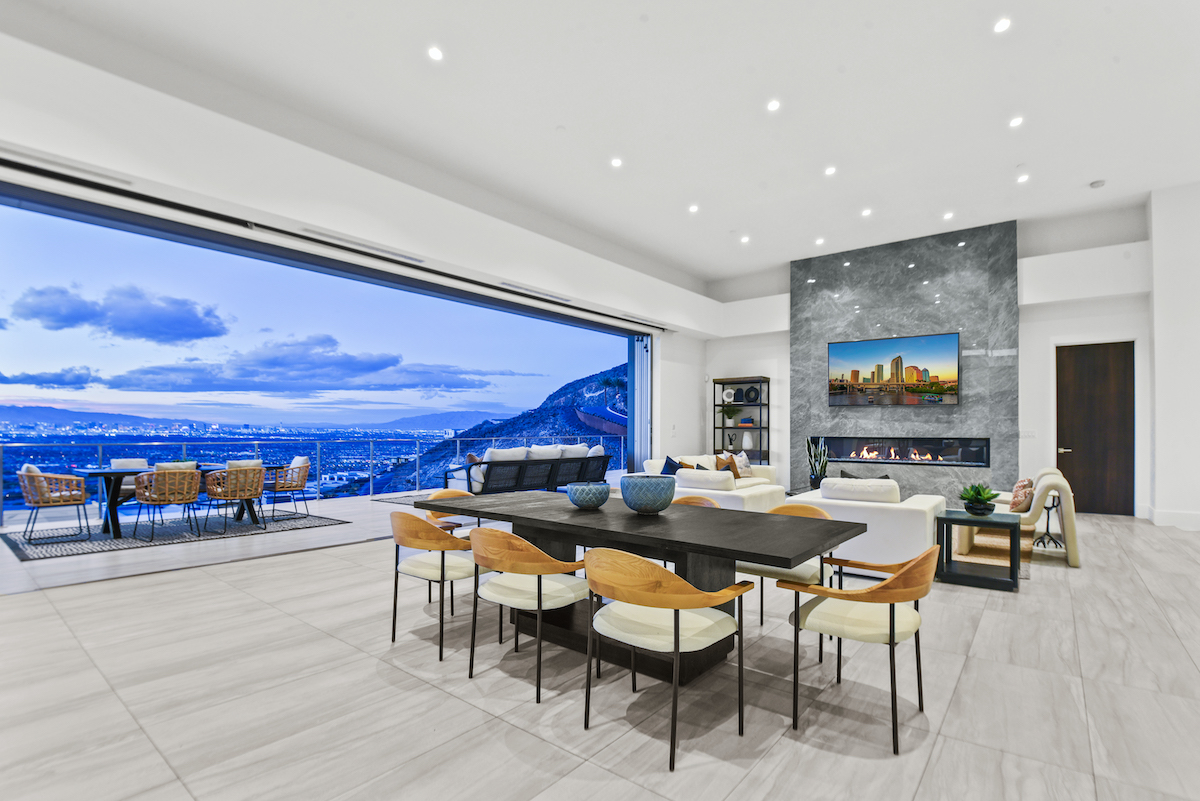
Staging can be one of your sale’s strongest investments—but only when done correctly. After working with hundreds of Las Vegas properties, we’ve seen the same costly mistakes repeated by well-intentioned sellers. Each of these errors extends time on market, reduces final sale price, or both.
Understanding what not to do is as valuable as knowing what to do. Here are five staging mistakes that cost Las Vegas sellers thousands of dollars—and how to avoid them.
Mistake 1: Staging Too Late
The Problem
Many sellers treat staging as a rescue strategy rather than a launch strategy. They list their home, watch it sit for 30-60 days, then consider staging as a way to generate new interest. By then, significant damage has been done.
Homes that linger on market develop a stigma. Buyers and agents begin wondering what’s wrong. The listing history shows price reductions. The property has been rejected by the first wave of motivated buyers who might have made offers if presentation had been better from the start.
The Cost
A home that should have sold in 30 days at $800,000 might sell after 90 days at $760,000 once price reductions, stigma, and reduced negotiating leverage take their toll. That’s $40,000 lost—far more than staging would have cost.
Add carrying costs: mortgage payments, insurance, utilities, maintenance, and the opportunity cost of delayed plans. Each month on market has real financial impact.
The Fix
Stage before listing, not after struggling. Photography happens once at launch. First impressions happen once. Buyers who rejected your listing in week one rarely return to give it a second chance.
Mistake 2: Over-Personalizing the Space
The Problem
Some sellers or stagers fill homes with highly specific design choices: bold wallpaper, trendy colors, polarizing art, or furniture that reflects narrow taste rather than broad appeal. While these choices might be beautiful, they can alienate buyers whose style differs.
Other sellers insist on keeping personal items displayed—family photos, religious symbols, sports memorabilia, or hobby collections. These items remind buyers they’re in someone else’s home rather than their potential future home.
The Cost
Polarizing design limits your buyer pool. Instead of appealing to 80% of potential buyers, you might appeal to 20%. Fewer interested buyers means less competition, longer time on market, and reduced sale price.
Personal items create psychological distance. Buyers who can’t envision themselves in the space don’t make emotional connections, and emotional connection drives offers.
The Fix
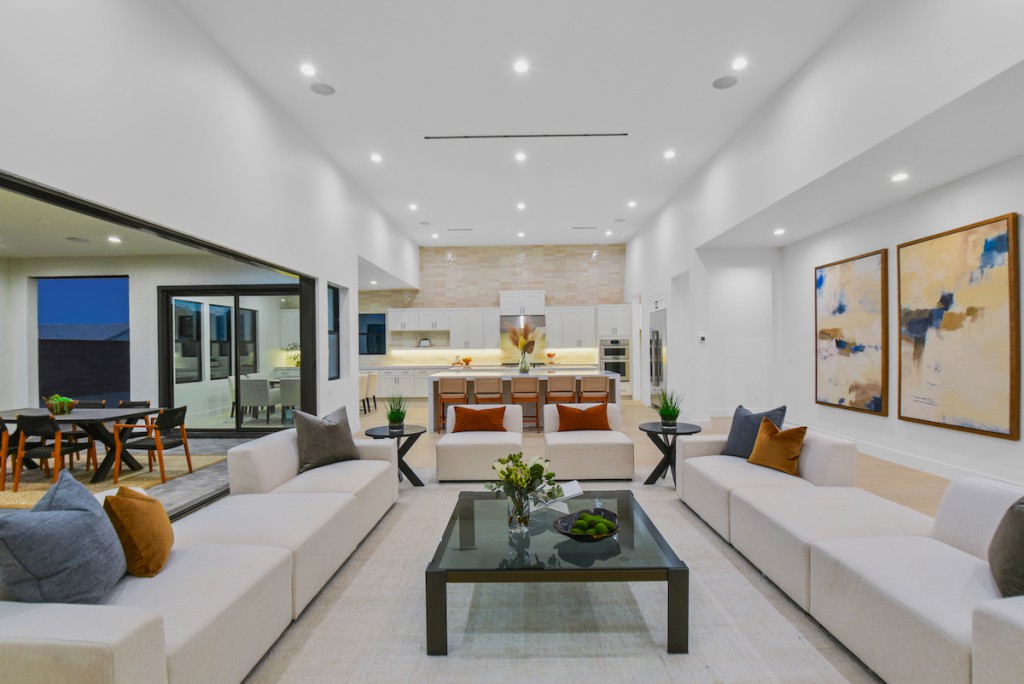
Stage neutrally but not blandly. The goal is sophisticated, appealing design that doesn’t alienate any significant buyer segment. Think high-end hotel aesthetic: beautiful, curated, and subtly welcoming to virtually anyone.
Remove personal items completely. Pack them as if you’ve already moved—because mentally, you need to have.
Mistake 3: Choosing the Cheapest Option
The Problem
Staging is often viewed as a commodity where the lowest bid wins. Some sellers choose providers based purely on price, assuming all staging is essentially equivalent. It isn’t.
Budget staging companies often use worn furniture, dated pieces, or inventory that photographs poorly. They may skip rooms, rush installations, or provide minimal styling. The result is staging that technically exists but doesn’t actually improve buyer perception.
Worse, bad staging can be worse than no staging. Cheap furniture in a luxury home signals that something is wrong. Worn pieces raise questions about the home’s condition. Dated styling makes the property feel tired.
The Cost
Data from our competitive analysis shows that homes staged by budget competitors average 113 days on market compared to 36 days for homes we stage. That’s 77 additional days of carrying costs—plus the price reductions that almost always accompany extended market time.
If you saved $2,000 on staging but lost $40,000 in sale price and carrying costs, was it really savings?
The Fix
Evaluate staging companies on quality of inventory, design expertise, and track record—not just price. Ask to see recent work. Check reviews. Look at how their staged homes perform in terms of days on market and sale price.
The right question isn’t “How much does staging cost?” It’s “What return will this staging investment generate?”
Mistake 4: Ignoring Key Rooms
The Problem
In an attempt to save money, some sellers stage only one or two rooms while leaving the rest of the home empty or with personal furniture. This creates jarring inconsistency that confuses buyers and undermines the professional presentation.
Others focus staging budget on rooms they personally value while ignoring the rooms that actually drive buyer decisions. A seller might insist on staging a home office while leaving the primary living areas undone.
The Cost
NAR research identifies the most important rooms to stage:
- Living room — 37% say very important
- Primary bedroom — 34% say very important
- Kitchen — 23% say very important
Ignoring these spaces while staging secondary rooms wastes budget and leaves buyers unimpressed where it matters most.
Partial staging also raises questions. Buyers wonder why some rooms are staged and others aren’t. The inconsistency feels like the seller cut corners—which affects perception of the entire property.
The Fix
Prioritize the rooms that drive decisions: living areas, primary suite, and kitchen/dining. If budget is limited, do these rooms well rather than spreading thin across the entire home.
Aim for visual consistency throughout the listing photos. Every room buyers see online should meet the same quality standard.
Mistake 5: Staging Without Strategy
The Problem
Generic staging treats every home the same way: bring in furniture, arrange it attractively, take photos. This approach ignores the specific features, challenges, and target buyers of each property.
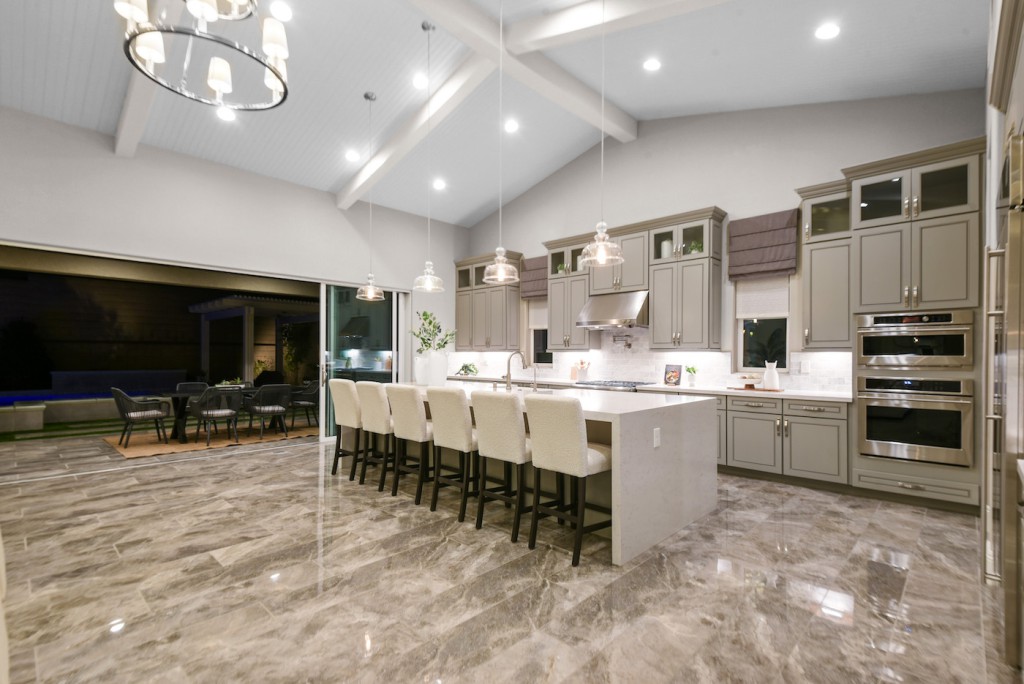
Some homes need staging that emphasizes views. Others need furniture that defines awkward spaces. Luxury properties require different inventory and styling than entry-level homes. A home targeting young families needs different presentation than one targeting retirees.
Staging without strategy is like marketing without audience understanding—technically activity, but not actually effective.
The Cost
Opportunities are missed. The stunning view doesn’t get furniture arranged to showcase it. The awkward floor plan doesn’t get clarifying furniture placement. The luxury home gets standard inventory that underwhelms affluent buyers.
Without strategy, staging becomes decoration rather than marketing. It might look nice in isolation but doesn’t actually move buyers toward offers.
The Fix
Work with stagers who take time to understand your specific property, its selling features, and its likely buyer. Strategic staging requires:
- Walking the property before design decisions
- Understanding neighborhood and price point context
- Identifying what makes this home special
- Addressing specific challenges or objections
- Selecting inventory appropriate for the target buyer
Avoid These Mistakes in Your Sale
Each of these mistakes is preventable with proper planning and the right staging partner. The cost of getting staging wrong far exceeds the cost of getting it right.
Call Scott at 702-848-3750 or request a free estimate online to discuss strategic staging for your Las Vegas property—before you list, not after you struggle.