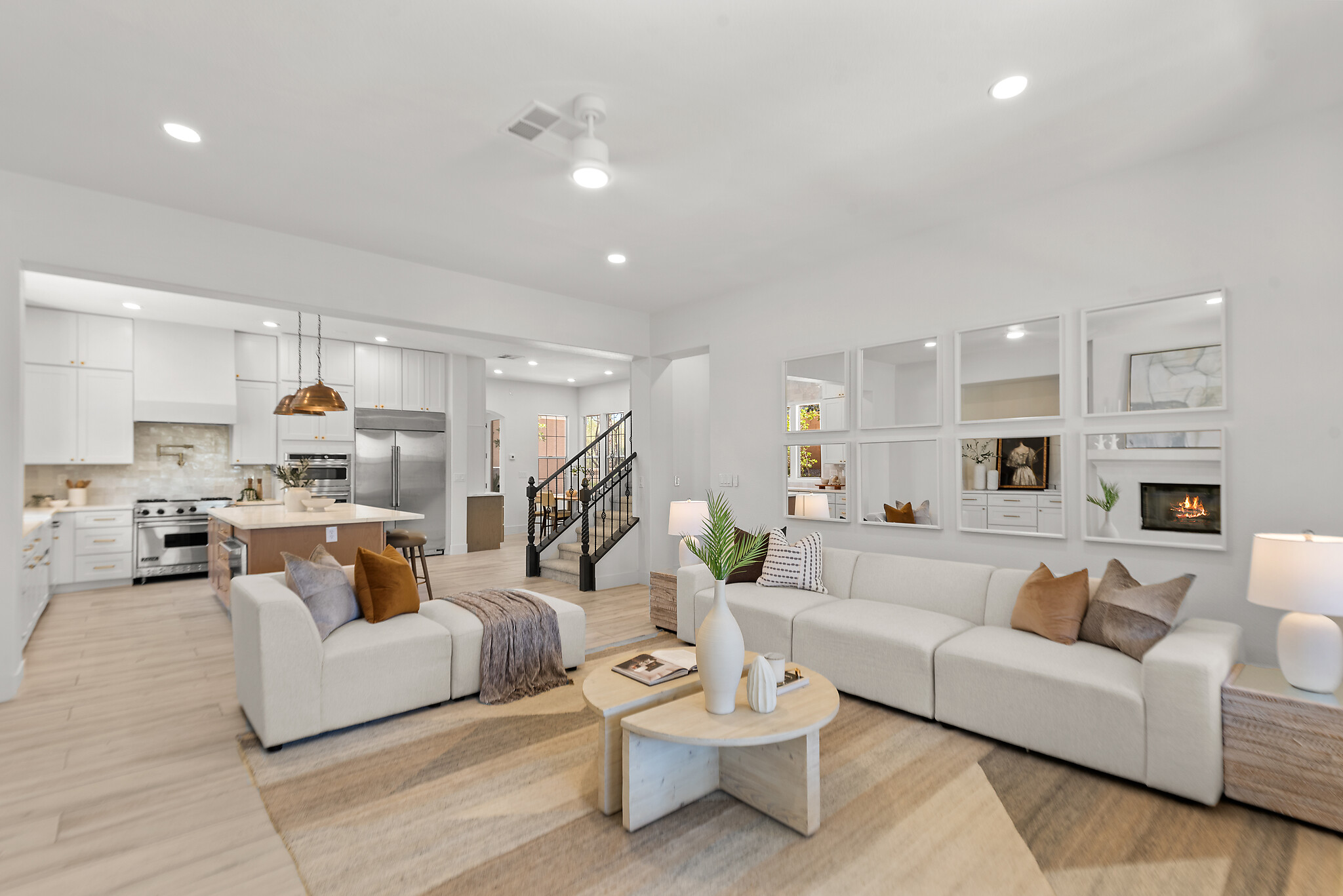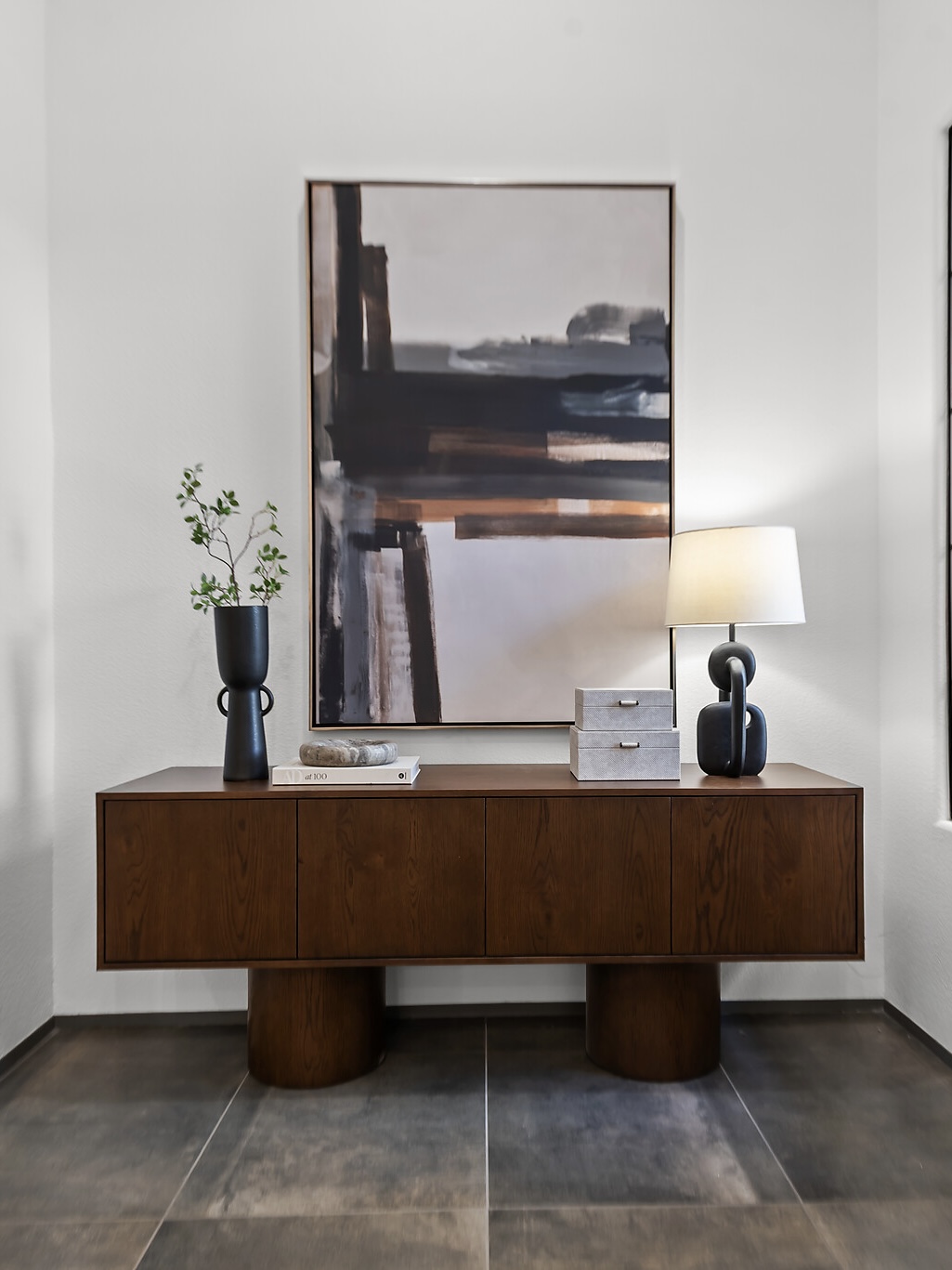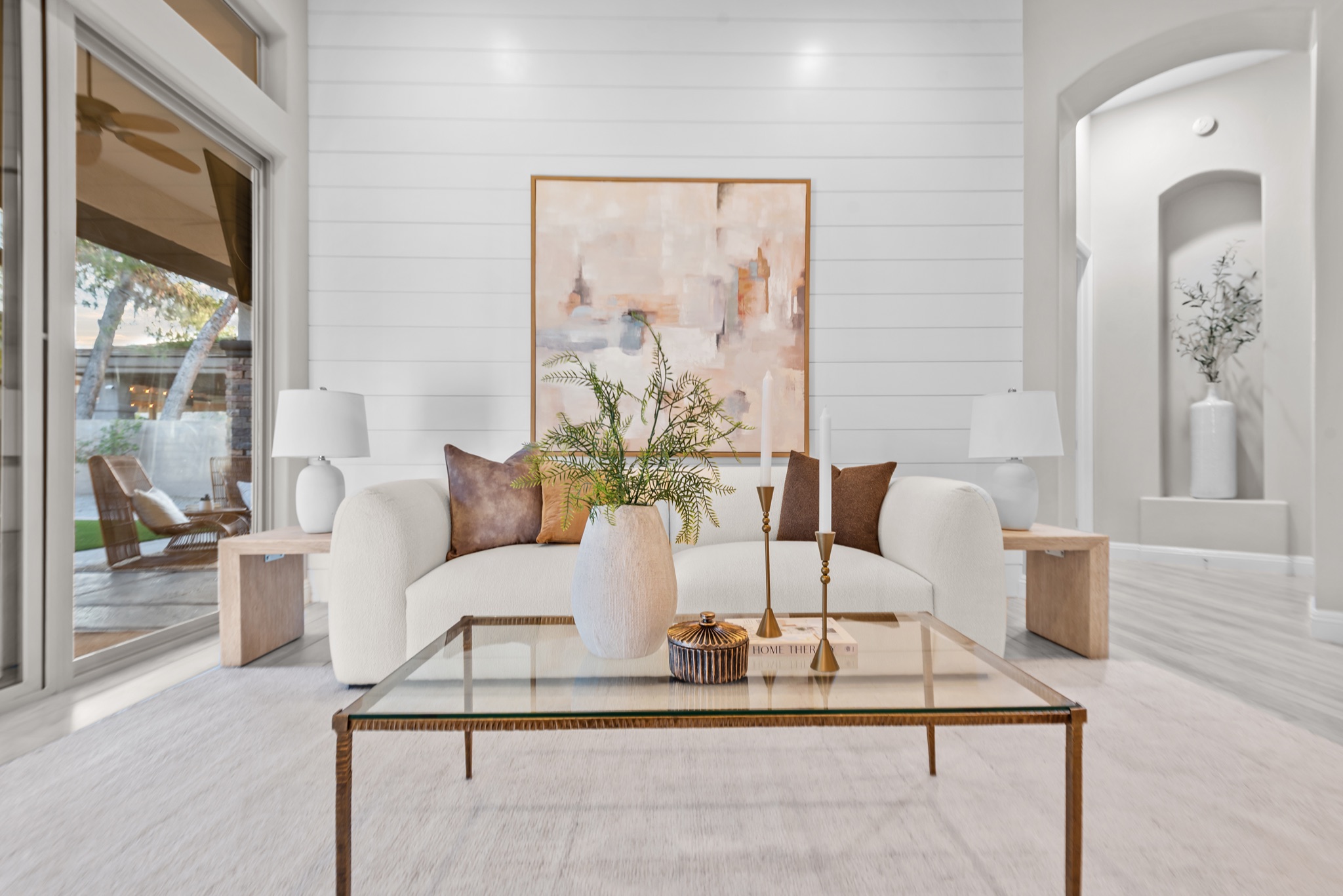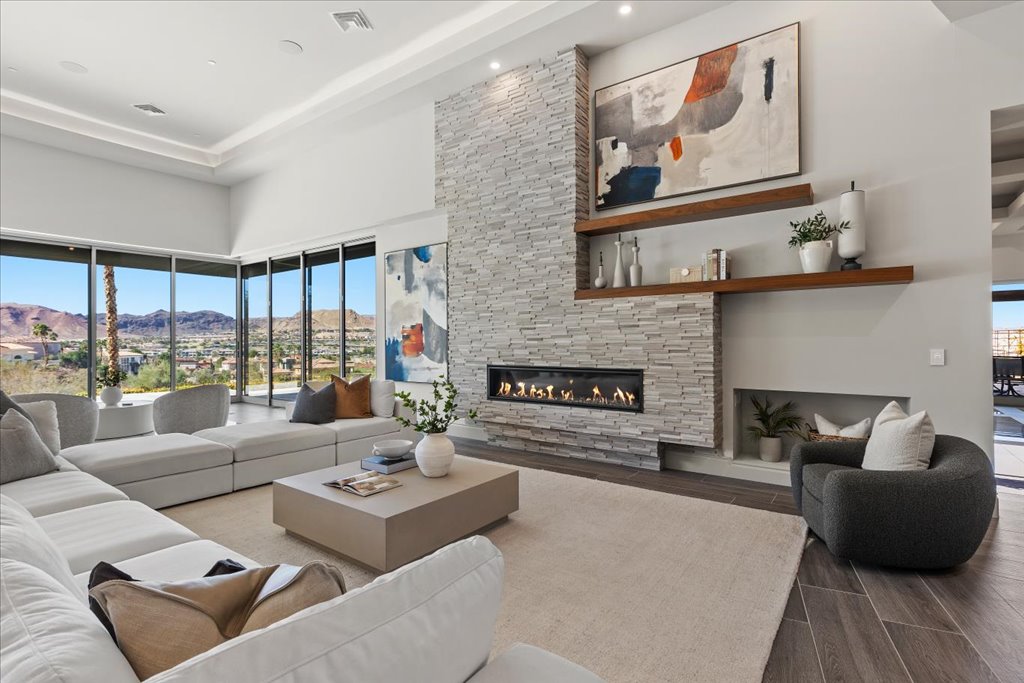
A $2 million home is not simply a $500,000 home with more square footage. It is a fundamentally different product, designed for a different buyer with different expectations. Yet some staging companies approach luxury properties with the same furniture packages, the same formulas, and the same generic design approach they use everywhere else.
The result is staging that feels out of place, weakens the home’s positioning, and misses the mark with affluent buyers.
For luxury sellers in Las Vegas, understanding why cookie-cutter staging fails — and what to demand instead — can protect both the sale and the prestige of the property.
The Luxury Buyer Difference
Who Buys $2 Million+ Homes?
Luxury buyers tend to share a few defining traits that shape how they view a property:
They know quality. Whether through travel, prior homeownership, design exposure, or lifestyle, luxury buyers recognize quality quickly — and they notice when it is missing.
They expect excellence. Affluent buyers are not grading on a curve. They expect the presentation of the home to match the standard implied by the price point.
They are buying lifestyle. At this level, the purchase is about more than shelter. It is about identity, aspiration, experience, and the feeling of living well.
They have options. Luxury inventory typically moves more slowly than mid-market inventory. These buyers can afford to wait for a home that feels right.
What This Means for Staging
When a luxury home is staged with a generic, one-size-fits-all approach, it can send the wrong message:
- This seller did not invest appropriately in presentation
- If they cut corners on staging, what else did they cut corners on?
- This home is not being treated as something special
That gap between price point and presentation creates cognitive dissonance — and that undermines buyer confidence.
4 Signs of Cookie-Cutter Staging
1. Scale Mismatches
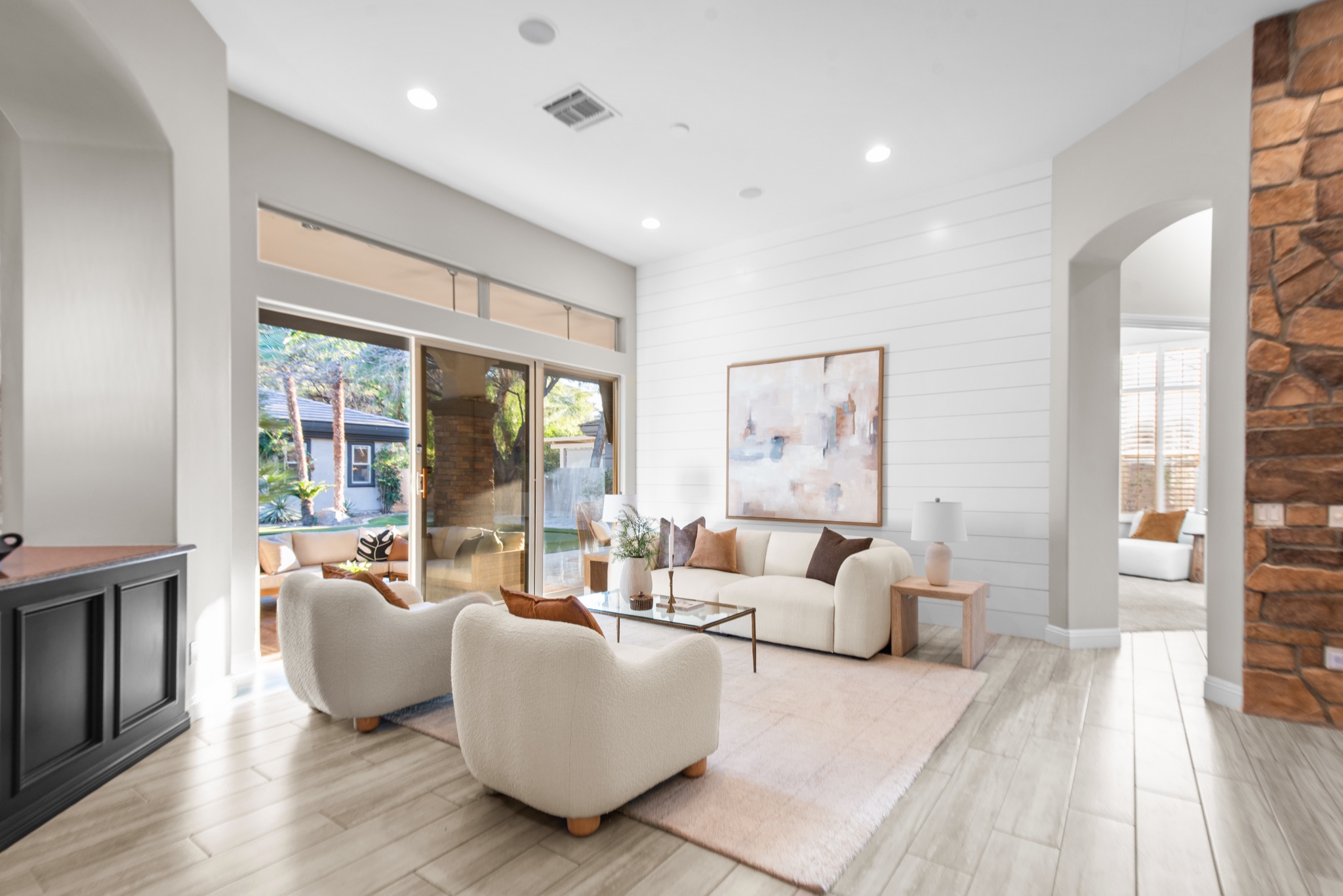
Standard-sized furniture in grand rooms often leaves the home feeling underfurnished, awkward, or visually flat. A sectional designed for a modest family room can look undersized and disconnected in a dramatic great room.
2. Quality Gaps
Pieces that may pass in a mid-market listing can feel noticeably cheap in a luxury setting. Worn finishes, budget fabrics, dated accessories, or thin styling all stand out more when surrounded by custom architecture and premium materials.
3. Design Monotony
When every property receives the same pieces in the same arrangements, every room starts to feel interchangeable. The staging stops responding to the home and instead looks like a formula being repeated.
4. Architectural Ignorance
Luxury homes are often defined by what makes them unique: the sight lines, the view, the ceiling height, the kitchen, the indoor-outdoor connection, the custom finishes. Generic staging can overlook these strengths — or worse, compete with them instead of enhancing them.
Why Luxury Demands a Bespoke Approach
Design Tailored to the Property
True luxury staging starts with the home itself.
What story does this home tell? A sleek contemporary estate in MacDonald Highlands should not be staged like a Mediterranean custom in Summerlin. Each property has its own architectural language and emotional tone.
What are the hero features? The view, the pool, the volume of the great room, the chef’s kitchen, the statement staircase — luxury staging should direct attention to the features that justify the price.
Who is the likely buyer? A second-home buyer from California may respond to a different lifestyle narrative than a local executive seeking a primary residence.
What style defines the home? The furnishings should feel harmonious with the architecture, not disconnected from it.
Inventory Appropriate to the Price Point
Luxury staging requires luxury inventory.
Quality that withstands scrutiny. Luxury buyers may touch fabrics, inspect finishes, and take in the details up close. The inventory has to hold up.
Scale that suits the space. Grand homes require substantial pieces with the right visual weight.
Style that feels current and sophisticated. Dated furniture or generic décor immediately weakens the impression.
Art and accessories that elevate the environment. Curated styling creates atmosphere. Generic accessories dilute the message.
The Elements of Luxury Staging
Appropriate Investment
Luxury staging costs more because it requires more:
- Higher-quality inventory
- Greater furniture volume for larger spaces
- More art and accessories for a complete presentation
- More design time for custom planning
- More install time for precise execution
That investment is proportionate to the value of the property and the stakes of the sale. Cutting corners on a multi-million-dollar listing to save a relatively small amount in staging costs rarely makes financial sense.
Design Expertise
Luxury staging requires more than furniture. It requires design judgment.
A skilled luxury stager understands:
- Proportion and scale
- Color and material relationships
- Visual hierarchy
- Flow and focal points
- How the home will photograph for marketing
At this level, every choice matters.
Execution Quality
Execution must also reflect the standard of the home.
Precision placement. Every piece should feel intentional.
Refined styling. Pillows, throws, art, accessories, and finishing touches should be thoughtful and complete.
Care for the property. Luxury finishes require careful handling and professionalism.
White-glove service. The process should feel elevated from start to finish.
Respecting Architectural Intent
The Home’s Design Language
Luxury homes often represent a major architectural investment. They are designed with deliberate sight lines, focal points, flow, and spatial relationships.
Cookie-cutter staging ignores that intent. It imposes a formula onto a space instead of reading the space first.
Bespoke staging does the opposite. It studies the architecture, understands the home’s strengths, and works with them rather than against them.
Working With, Not Against, the Home
The best luxury staging feels natural — as though the home was always meant to be presented this way. It does not compete with the architecture. It supports it. It creates lifestyle context while still allowing the home itself to shine.
That kind of integration takes time, skill, and real design expertise. It cannot be achieved with a standard package mindset.
Our Approach to Luxury
At Utopia Home Staging, luxury properties receive a truly bespoke approach.
Custom design planning. We walk each luxury property before making design decisions so we can understand its architecture, flow, and unique selling features.
Curated inventory selection. We select pieces specifically for the home rather than applying the same package used elsewhere.
Appropriate investment. Our staging recommendations reflect the value of the property and the expectations of the luxury buyer.
HGTV-level execution. With experience featured across multiple HGTV productions, we understand the standard of presentation luxury properties require — and we bring that level of refinement to every stage.
For high-value properties, presentation is not the place for shortcuts. Cookie-cutter simply is not enough.
Call Scott at 702-848-3750 or request a free estimate online to discuss bespoke staging for your Las Vegas luxury property.