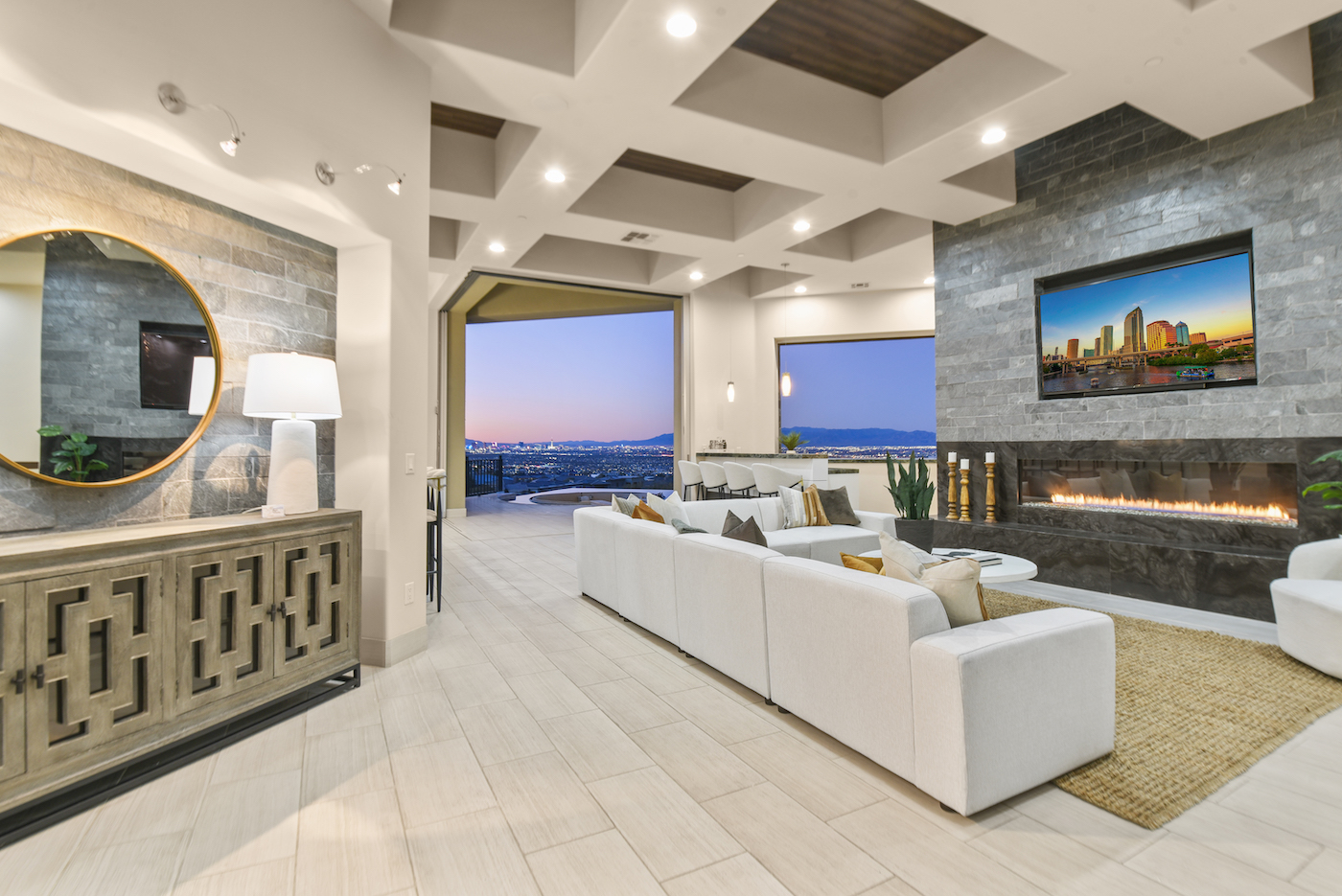
Home buying is one of the largest financial decisions most people make, yet research consistently shows it’s driven more by emotion than logic. Understanding the psychology behind buyer decisions reveals why staging works—and why it works so powerfully in competitive markets like Las Vegas.
This isn’t about manipulation. It’s about understanding how human perception works and presenting your home in a way that allows buyers to see its true potential. When done correctly, staging removes barriers to imagination and creates space for emotional connection.
The 7-Second Window: How First Impressions Form
It Happens Faster Than You Think
Research in environmental psychology suggests that people form initial impressions of spaces within seven seconds of entering. These snap judgments happen automatically, below conscious awareness. By the time a buyer has walked through your front door, their brain has already begun categorizing your home as appealing or problematic.
This first impression creates a lens through which everything else is viewed. A positive initial reaction means buyers look for reasons to like the home. A negative one means they look for confirmation of their doubts.
5 Things Buyers Process Before They Know It
In those critical first seconds, buyers aren’t evaluating square footage or analyzing floor plans. Their brains are processing:
- Light levels — Bright spaces feel more welcoming and larger
- Spatial flow — Can they move easily? Does the layout make sense?
- Smell — Subtle but powerful; musty odors trigger rejection
- Visual order — Clutter creates cognitive stress
- Emotional tone — Does this feel like a place they want to be?
Professional staging addresses each of these subconscious checkpoints before buyers even realize they’re being evaluated.
What Staging Triggers in Buyers
Emotion First, Logic Second
Neuroscience research demonstrates that emotional responses precede rational analysis in decision-making. Buyers who feel drawn to a home will find logical reasons to justify their interest. Those who feel uncomfortable will find logical reasons to walk away—even if the home objectively meets their criteria.
This explains why two nearly identical homes can have vastly different market performance. The one that creates positive emotional response generates offers. The one that doesn’t sits on the market.
The Visualization Challenge
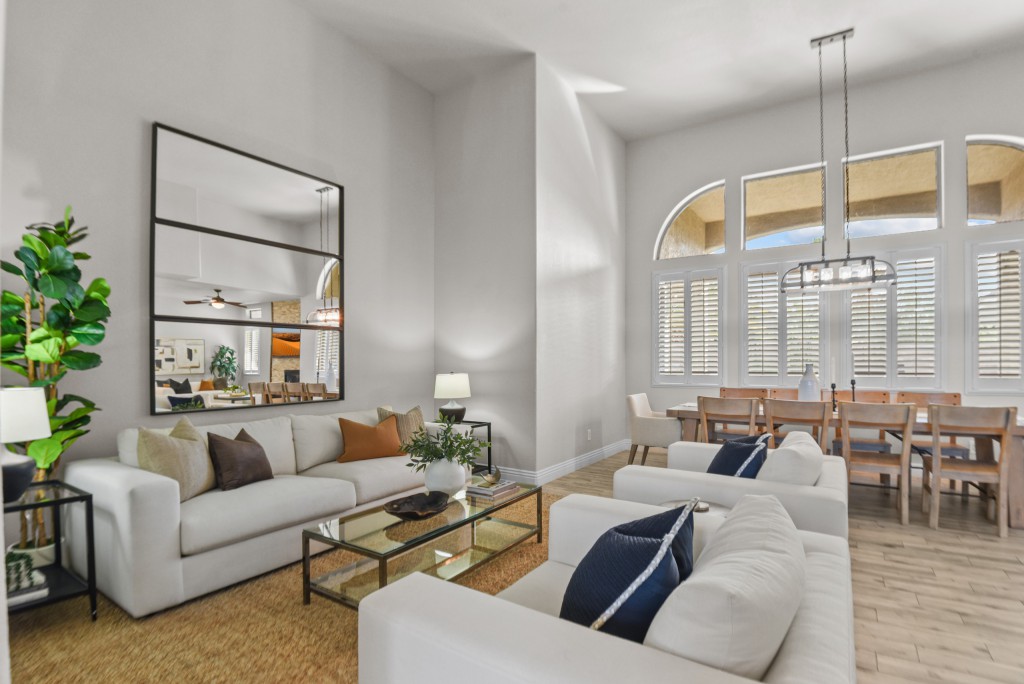
According to the NAR 2025 Profile of Home Staging, 83% of buyer’s agents report that staging makes it easier for clients to visualize a property as their future home. This points to a fundamental challenge: buyers must imagine living in a space that currently belongs to someone else—or to no one at all.
This imaginative leap is harder than it sounds. Most people struggle to envision furniture arrangements, room purposes, or lifestyle possibilities when standing in an empty or cluttered space. Staging does this mental work for them.
The TV Effect
The same NAR study found that 48% of buyers expect homes to look like the professionally staged properties they see on television. HGTV and similar programming have created a new baseline for buyer expectations. Homes that meet this expectation feel “right.” Those that don’t feel disappointing, even when structurally sound and fairly priced.
3 Psychological Effects of Professional Staging
- Permission to imagine — Buyers mentally move in, seeing themselves hosting friends or relaxing in the space
- Perception of care — Professional presentation signals the property has been maintained well
- Reduced risk — Buyers can see that furniture fits and rooms have purpose, eliminating unknowns
4 Problems Empty Rooms Create
Vacant homes present specific psychological challenges:
1. Space Misperception
Empty rooms appear smaller than furnished ones. Without furniture for scale reference, buyers struggle to gauge dimensions. They worry their belongings won’t fit, that rooms are too small, that the home won’t accommodate their life.
2. Emotional Coldness
Empty spaces feel abandoned. There’s no warmth, no life, no invitation to linger. Buyers move through quickly, checking boxes rather than connecting emotionally.
3. Flaw Magnification
Without staging to draw the eye, every imperfection becomes prominent. That minor wall scuff, the dated light fixture, the carpet wear pattern—all become focal points rather than background details.
4. Acoustic Impact
Empty rooms echo. This subtle acoustic difference registers as “cold” and “institutional” in buyer perception, even if they can’t articulate why the home feels unwelcoming.
Professional staging addresses all of these issues, transforming vacant properties into spaces buyers can emotionally inhabit.
Creating the Right Emotional Response
Lifestyle Presentation
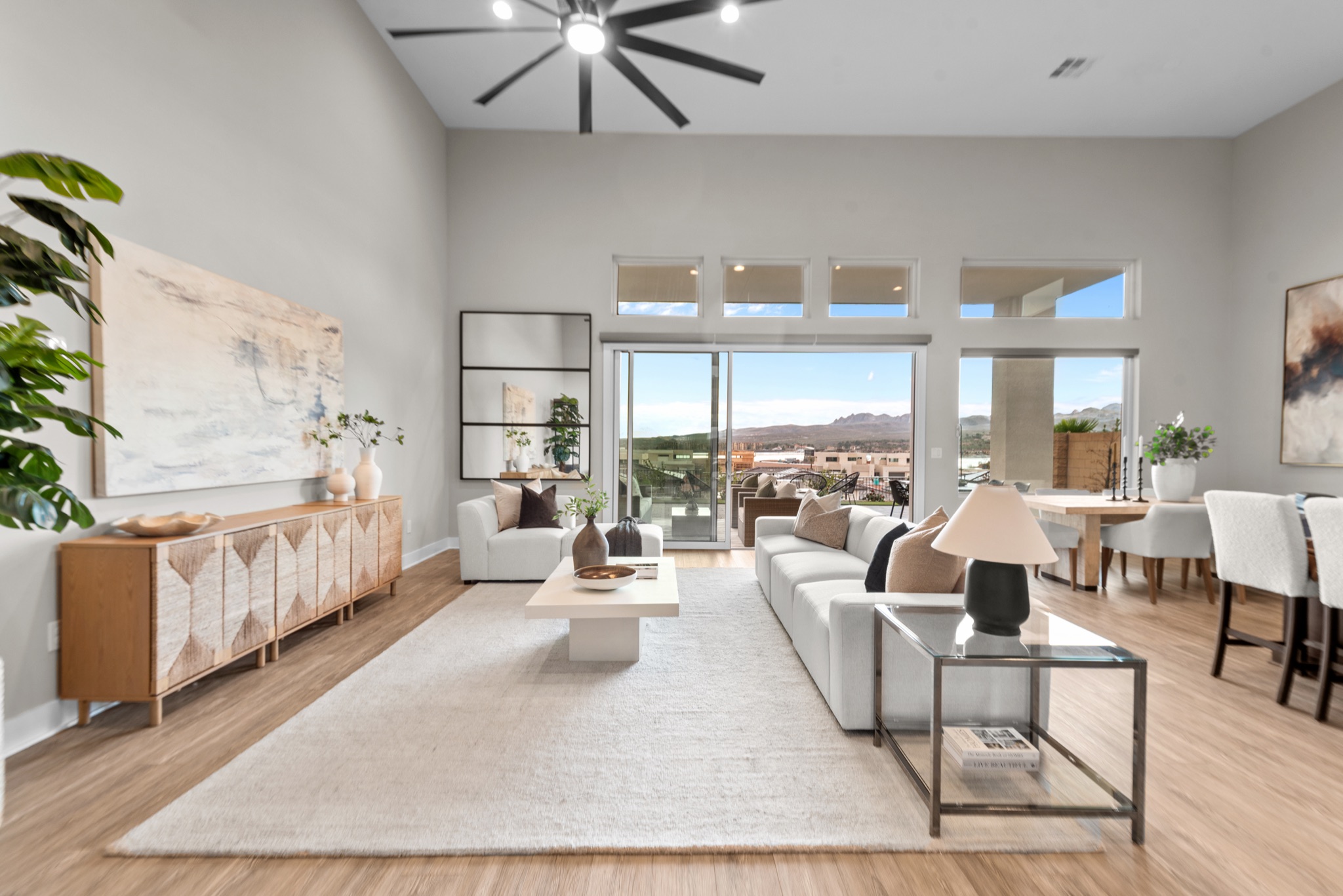
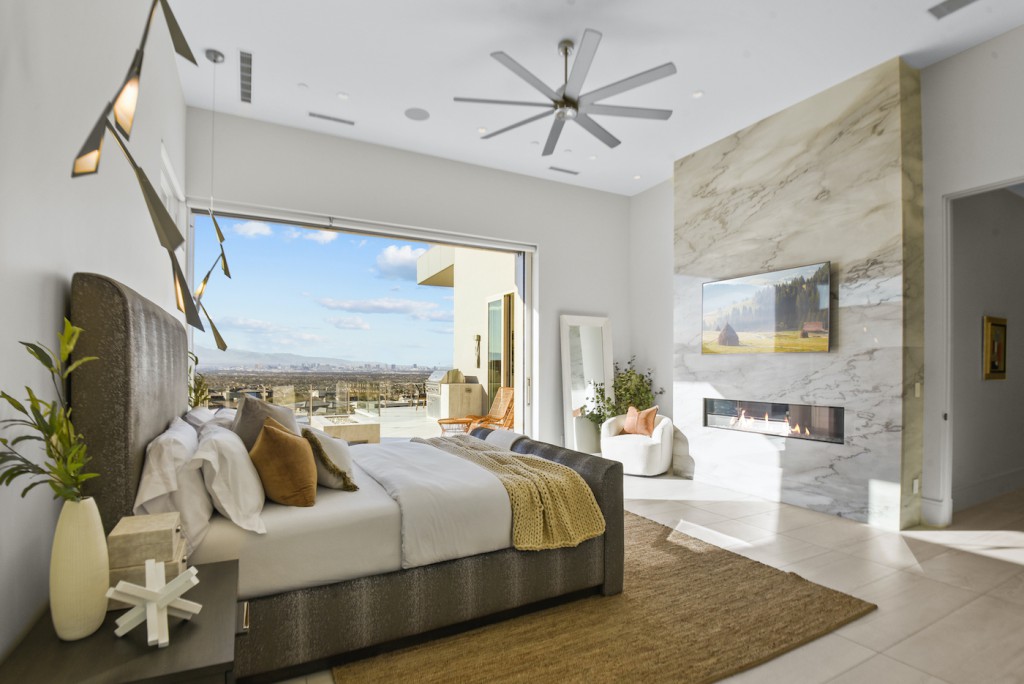
Effective staging doesn’t just arrange furniture—it suggests lifestyle. A reading nook with a throw blanket and book implies cozy evenings. A dining table set for six suggests entertaining. An outdoor seating area with pillows says “relaxation happens here.”
These lifestyle cues help buyers connect their aspirations to your property. They stop seeing a house and start seeing their life.
Demographic Targeting
Different buyer demographics respond to different presentation styles. First-time buyers in a $400,000 home respond to different cues than luxury buyers touring an $8 million estate. Professional stagers understand these nuances and design accordingly.
In Las Vegas specifically, understanding the likely buyer for each neighborhood and price point informs staging decisions. A Summerlin family home stages differently than a high-rise condo on the Strip.
Focal Point Management
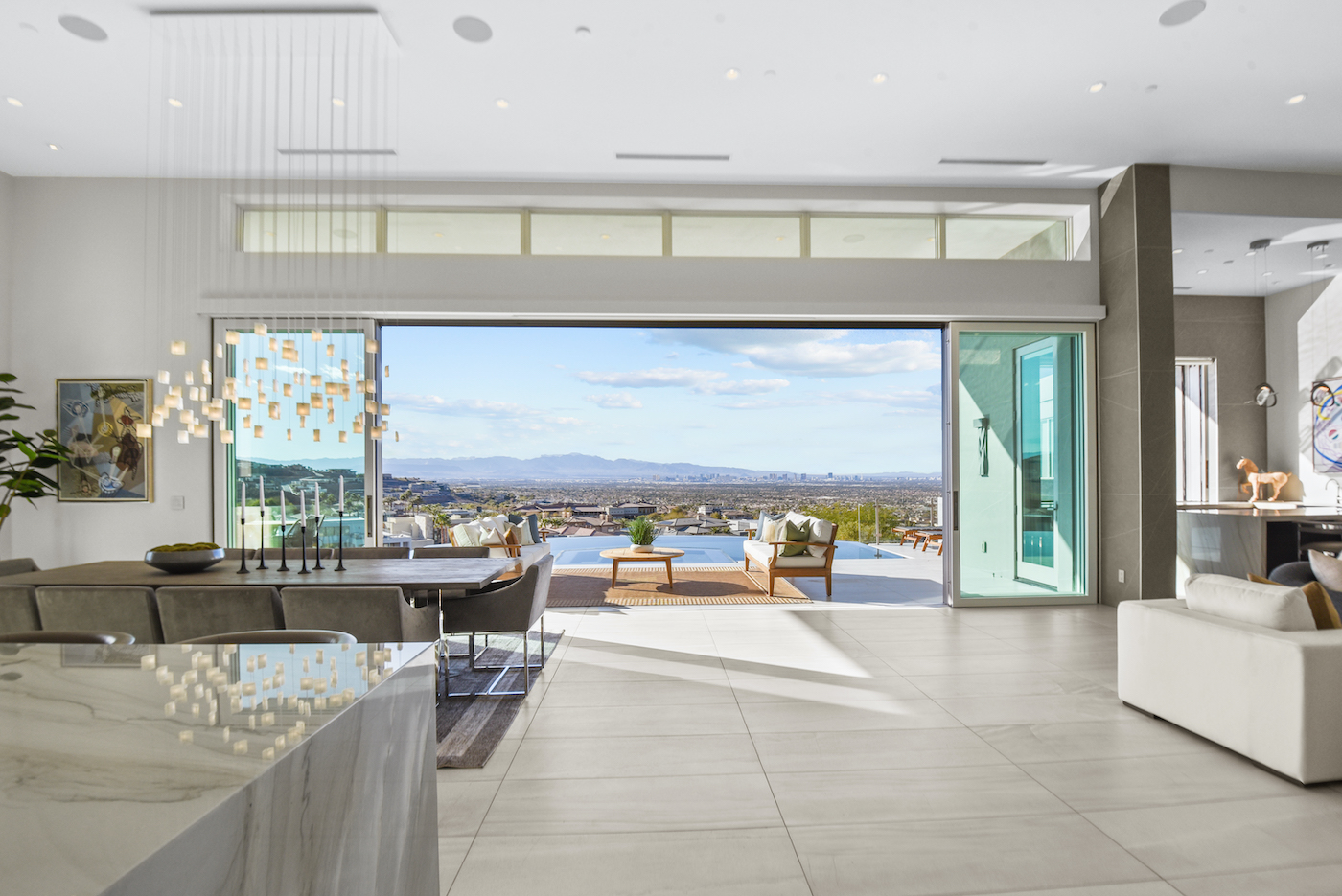
Skilled staging directs buyer attention toward selling features and away from drawbacks. A stunning view deserves furniture arrangement that frames it. An awkward corner becomes a cozy reading space. Architectural details get highlighted rather than competing with clutter.
This isn’t deception—every home has strengths. Staging ensures buyers see them.
Put Psychology to Work for Your Sale
Understanding buyer psychology is the first step. Applying it to your specific property is the next. Every home has unique features and potential challenges that require strategic presentation decisions.
Call Scott at 702-848-3336 or request a free estimate online to discuss how professional staging can create the right psychological response in your Las Vegas home buyers.