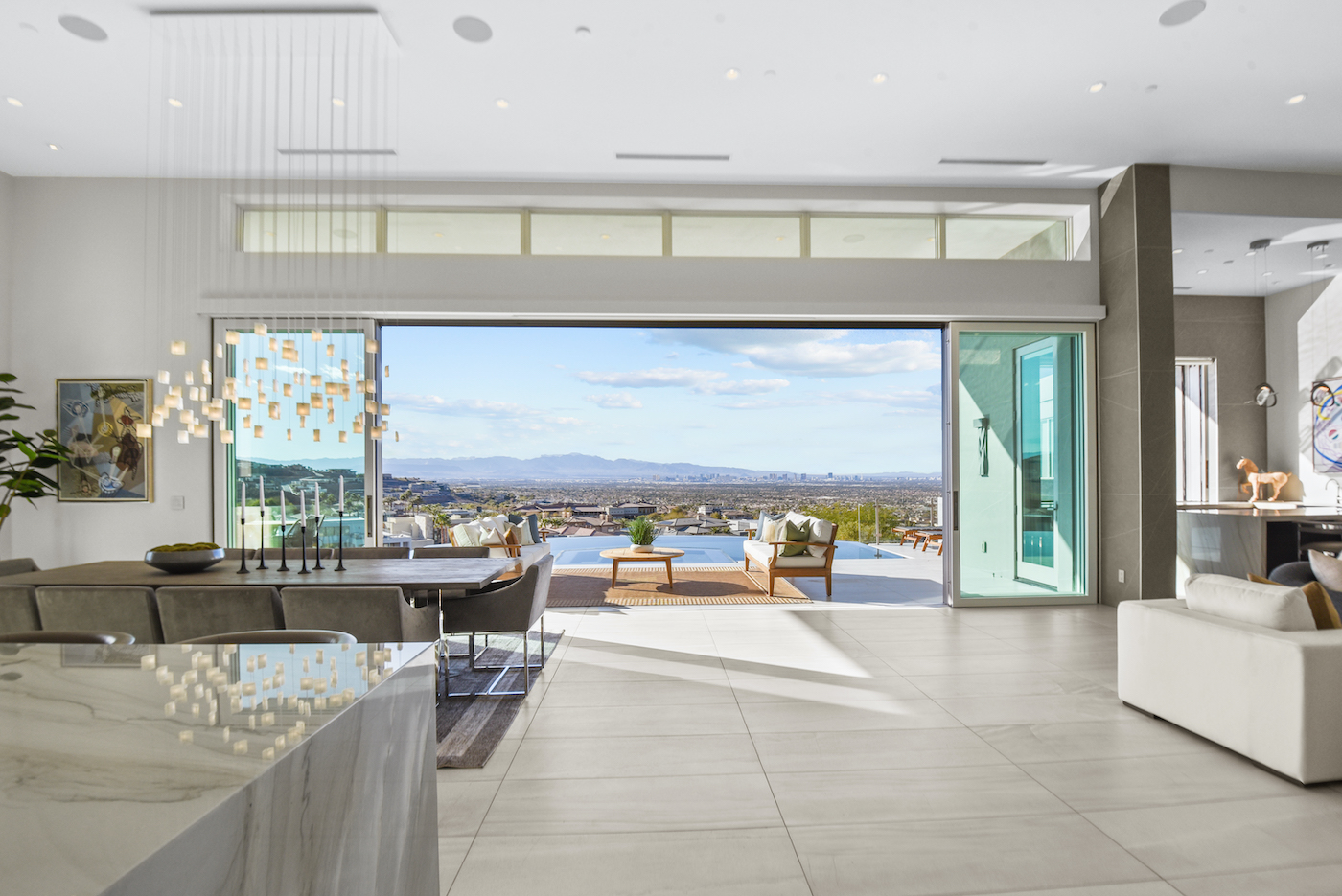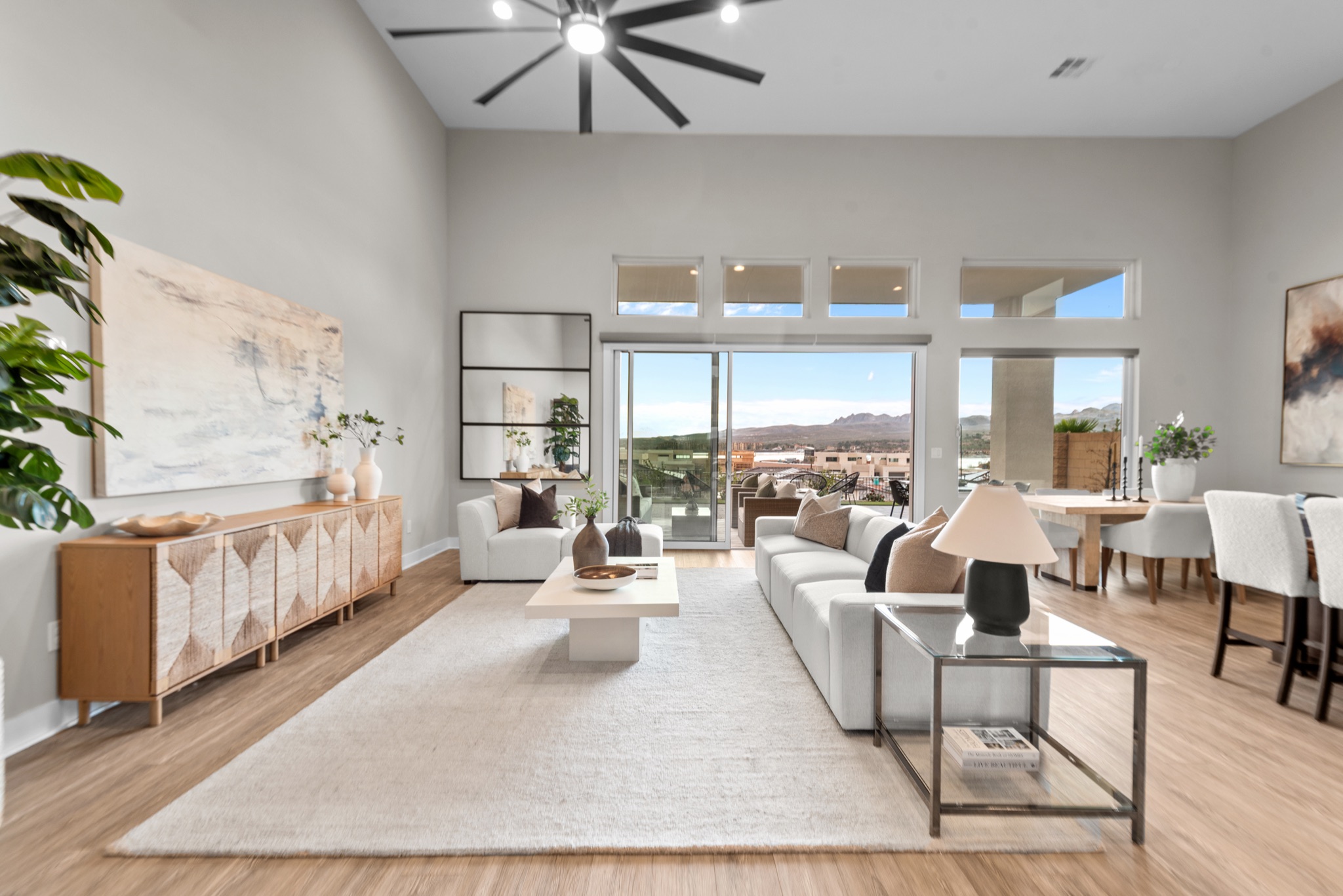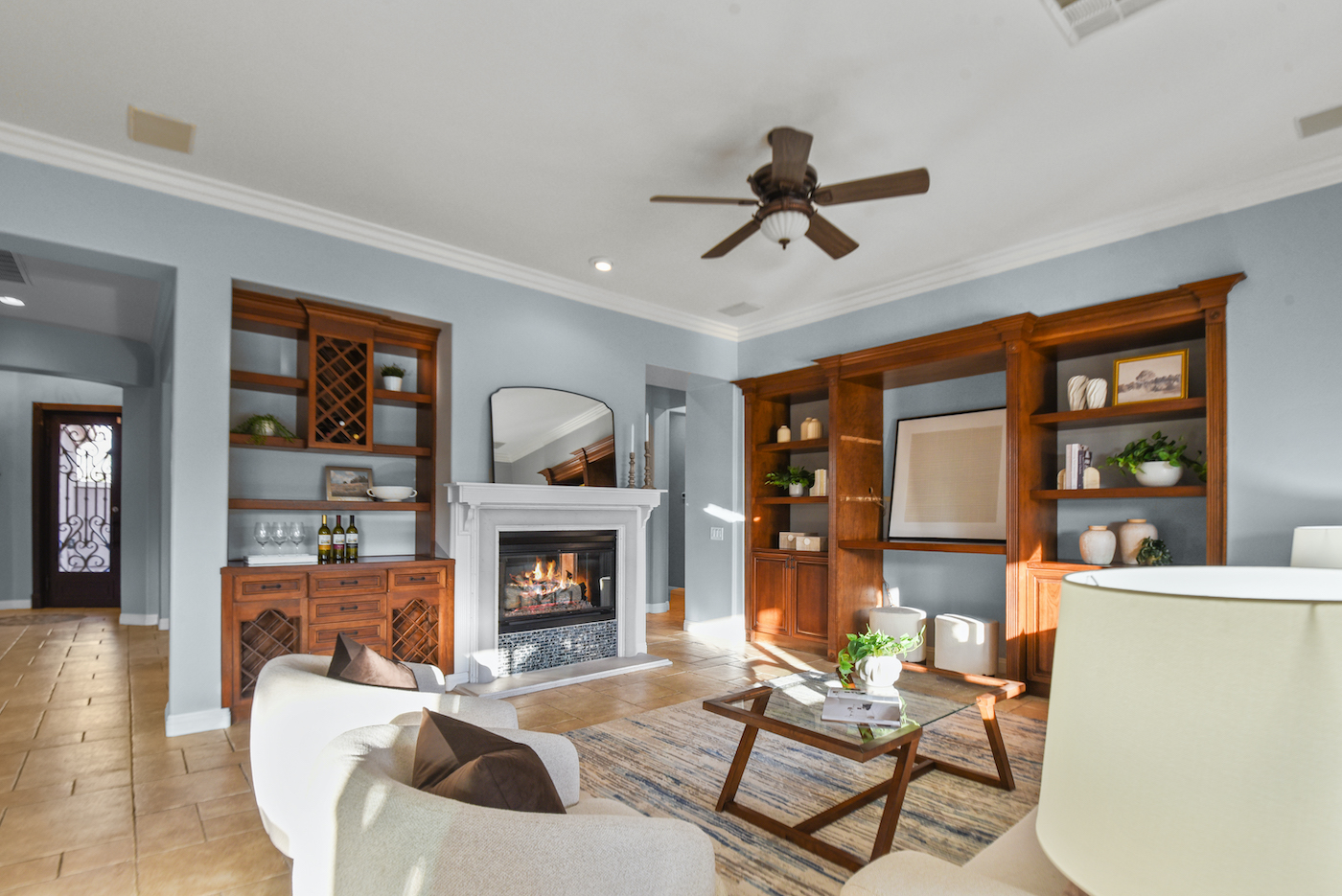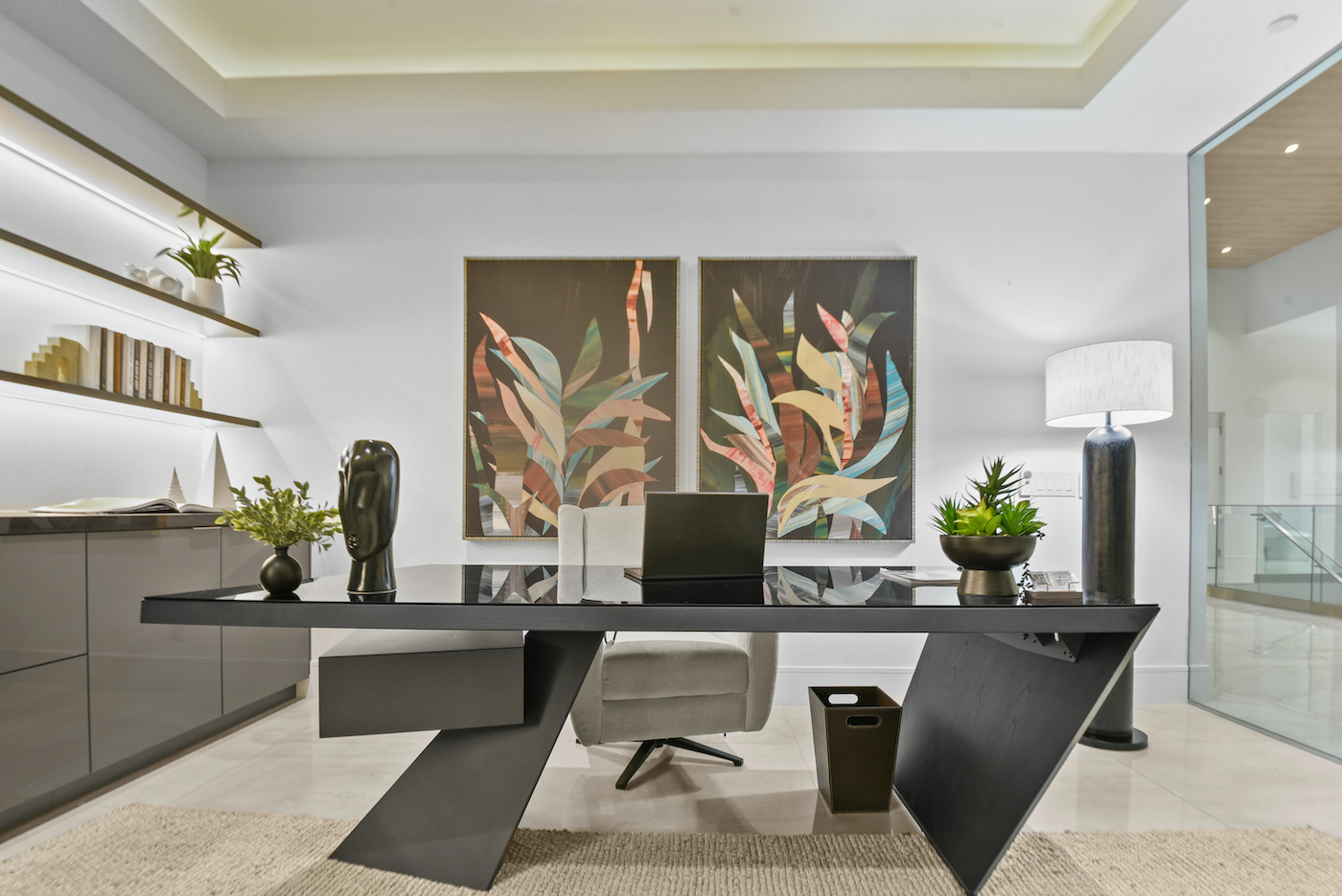
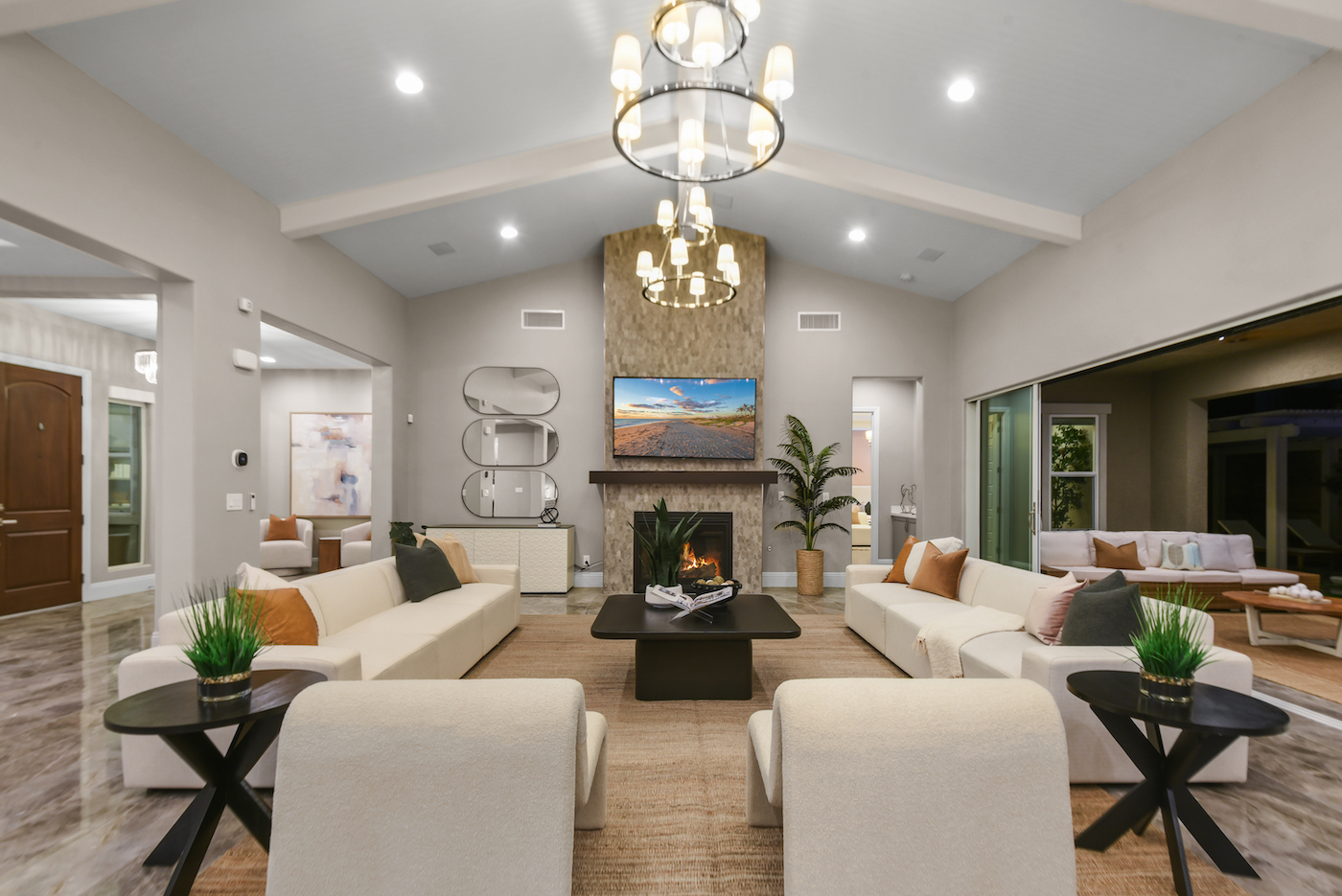
People search this constantly: “How much does home staging cost?” Most answers online give vague numbers or say “it depends.” Here’s the real pricing range used by top-tier staging companies—and what those numbers actually buy you.
The Short Answer
Professional home staging in Las Vegas typically costs between $2,500 and $50,000 depending on scope and luxury level.
That’s a wide range—and intentionally so. The luxury level of a property dictates everything: the scale of the staging, the size of the pieces required, and the quality of inventory placed in the home. A $400,000 townhome and an $8 million custom estate require fundamentally different approaches, and the pricing reflects that reality.
Here’s a general framework:
| Property Type | Typical Investment |
|---|---|
| Condos & Townhomes (under 2,000 sq ft) | $2,500 – $5,000 |
| Standard Homes (2,000 – 3,500 sq ft) | $5,000 – $10,000 |
| Executive Homes (3,500 – 5,000 sq ft) | $10,000 – $18,000 |
| Luxury Estates ($2M – $5M) | $18,000 – $30,000 |
| Ultra-Luxury ($5M+) | $30,000 – $50,000+ |
These ranges assume vacant staging with designer-level inventory. Budget staging companies may quote less. What you receive for that lower number will differ substantially.
What You’re Actually Paying For
Most sellers assume staging is furniture rental. It’s not. Here’s what a professional staging investment actually covers:
A Design Strategy, Not Just Furniture
True staging is a visual marketing plan built around your home’s price point, architecture, and the psychology of your ideal buyer. A staging designer walks your property, identifies its strengths and weaknesses, and creates a custom design approach to maximize perceived value.
This isn’t selecting pieces from a catalog. It’s strategic merchandising for your specific property.
Designer-Level Inventory
The quality of staging furniture directly influences buyer emotion—and therefore offer strength. Professional staging companies maintain curated collections of modern, on-trend furniture, art, and accessories that photograph beautifully and create emotional connection.
Budget staging often relies on dated inventory, mismatched pieces, or furniture designed for mid-market properties placed in higher-end homes. Buyers notice. The perception gap between price point and presentation creates doubt.
Professional Installation and Styling
The difference between furniture placement and professional staging is in the details: pillow styling, art placement, accessory curation, sight lines, and photography angles. Experienced staging teams understand how rooms will be photographed and design specifically for that outcome.
The Logistics
Staging includes delivery, installation, styling, and eventual removal—typically on 30 or 45-day terms with extension options. This requires trucks, teams, insurance, and coordination with your listing timeline.
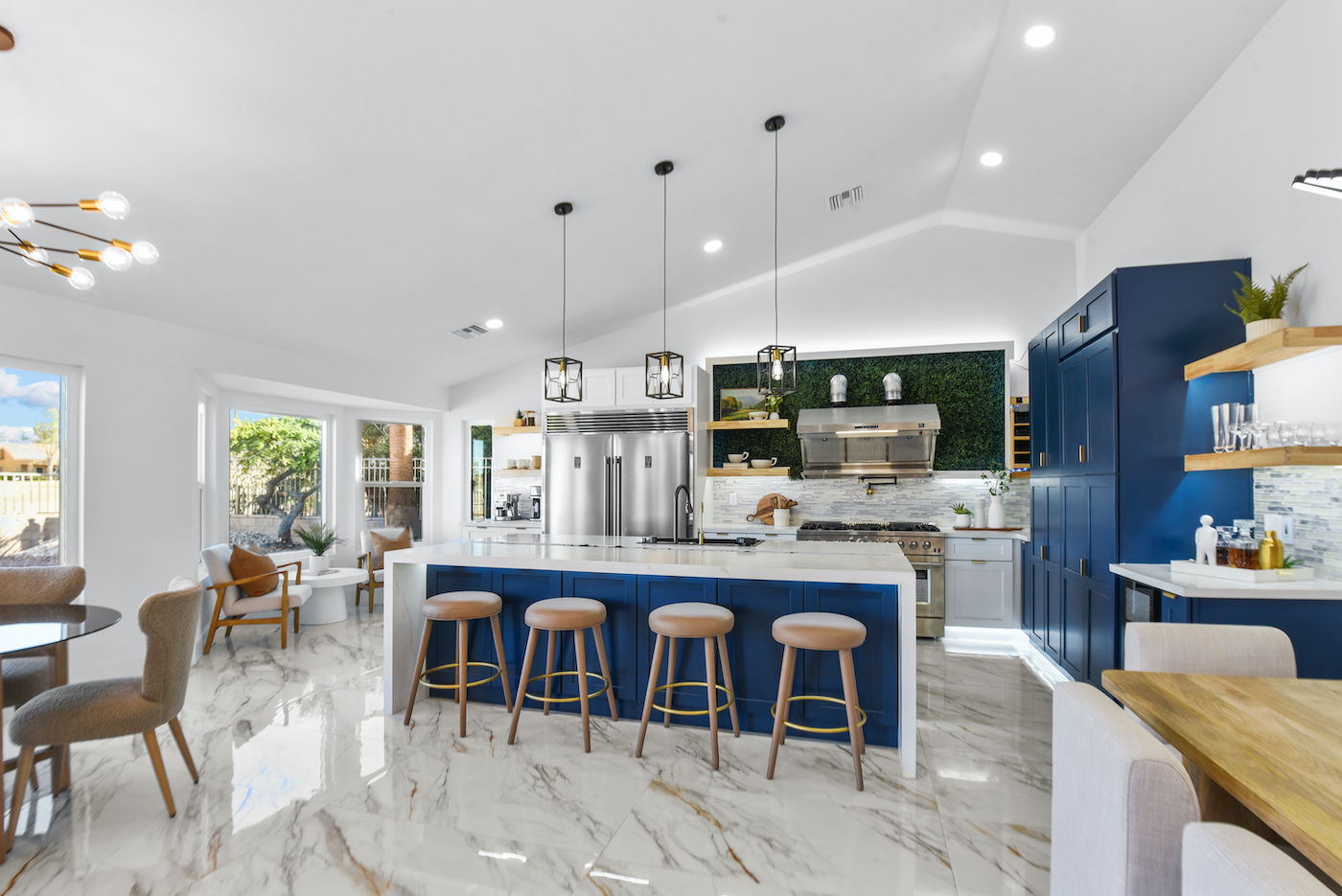
Cost Comparison: Empty, Occupied, or Vacant + Staged
Understanding the true cost requires comparing all options—not just the staging invoice.
Empty Homes (No Staging)
Leaving a home empty appears to cost nothing. In reality, empty homes almost always cost the seller money through:
- Lower perceived value: Empty rooms feel smaller and colder. Buyers struggle to envision furniture placement.
- Extended days on market: Unstaged homes typically take longer to sell, increasing carrying costs.
- Weaker offers: Without emotional connection, buyers negotiate harder.
The NAR reports that 81% of buyers’ agents say staging makes it easier for buyers to visualize a property as their future home. Empty rooms provide nothing to visualize.
Occupied Staging (Working with Seller’s Furniture)
Occupied staging—redesigning a home while the owner still lives there—often costs more than vacant staging due to:
- Complexity: Working around existing furniture, personal items, and occupied spaces requires more design time.
- Constraints: Sellers may resist removing beloved pieces or making necessary changes.
- Emotional friction: The process requires negotiation and compromise that slows execution.
Despite higher costs, occupied staging typically delivers less overall ROI than vacant staging. The compromises required dilute the visual impact.
Vacant + Professionally Staged
Vacant staging with professional inventory delivers:
- Best buyer psychology: Clean, aspirational spaces create emotional connection.
- Strongest photography: Curated staging photographs dramatically better than empty or occupied homes.
- Cleanest offers: Buyers emotionally attached to staged properties negotiate less aggressively.
- Fastest closings: Properties that show well generate more activity and faster decisions.
This is the setup that commands the highest sale price relative to investment.
What Affects Your Staging Cost
Several factors determine where your project falls within the pricing range:
Square Footage and Room Count
Larger homes require more inventory. A 5,000 square foot home with great room, formal dining, kitchen, primary suite, and two secondary bedrooms needs significantly more furniture than a 2,000 square foot condo.
Property Value and Market Position
A $2 million home requires staging that meets luxury buyer expectations. The furniture quality, accessory curation, and design sophistication must match what affluent buyers have seen in other high-end properties. This requires premium inventory that costs more to acquire and maintain.
Staging Term Length
Standard staging terms run 30 or 45 days with extension options. Longer initial terms or extended staging periods affect pricing. In slower markets or for luxury properties with longer expected days on market, plan for potential extensions.
Design Complexity
Some homes are straightforward: neutral finishes, standard room layouts, clear buyer demographic. Others require creative solutions: unusual architectural features, challenging floor plans, or design dated finishes that need strategic counterbalancing.
Partial vs. Full Staging
Staging the essential rooms—living area, kitchen, dining, primary suite—costs less than staging every space. For most properties, focusing investment on the rooms that drive buyer decisions delivers the best ROI.
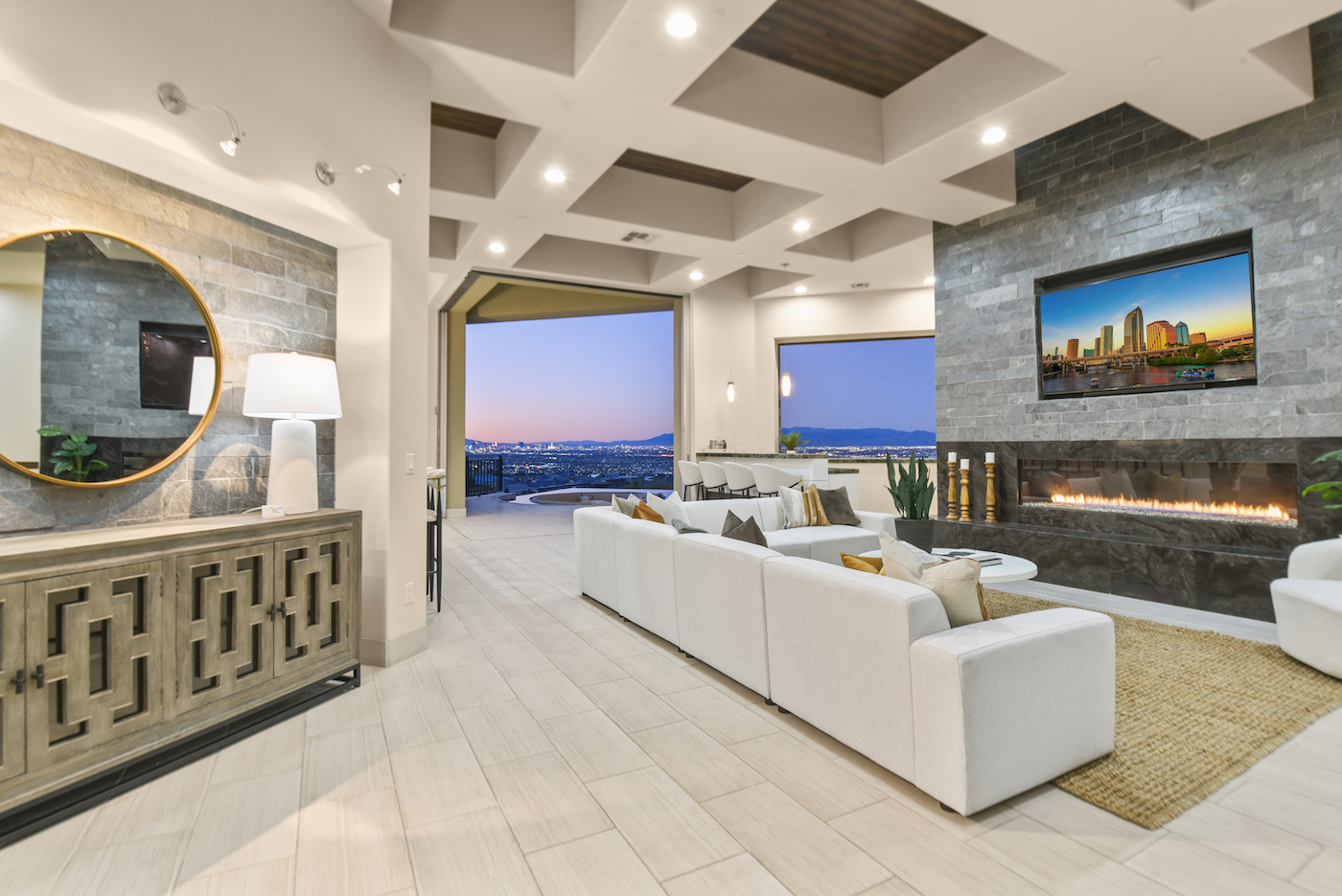
The Real Cost of Not Staging
When evaluating staging cost, consider the alternative:
Price reductions are more expensive than staging. A single 3% price reduction on a $600,000 home is $18,000—far exceeding any staging investment. Data shows that homes requiring price reductions typically sell for less than homes priced correctly and staged from day one.
Extended days on market cost money. Every month your home sits unsold means another mortgage payment, insurance premium, utility bill, and maintenance expense. For a $500,000 property, carrying costs can easily reach $3,000-4,000 monthly.
Staging ROI consistently exceeds the investment. Industry data indicates staged homes sell for 5-10% more than comparable unstaged properties. On a $500,000 home, even a conservative 5% lift represents $25,000—against a staging investment of perhaps $5,000.
The Bottom Line
Staging isn’t a decoration expense. It’s a sale-price strategy designed to create:
- Emotional connection that motivates buyers to act
- Professional photography that drives online engagement
- Perceived value that supports your asking price
- Competitive advantage in a market where buyers have choices
The question isn’t whether you can afford to stage. It’s whether you can afford not to—and absorb the carrying costs, price reductions, and weaker offers that typically follow.
Call Scott at 702-848-3750 or request a free estimate online to discuss staging investment for your Las Vegas property, or schedule a consultation to receive specific recommendations and pricing for your home.