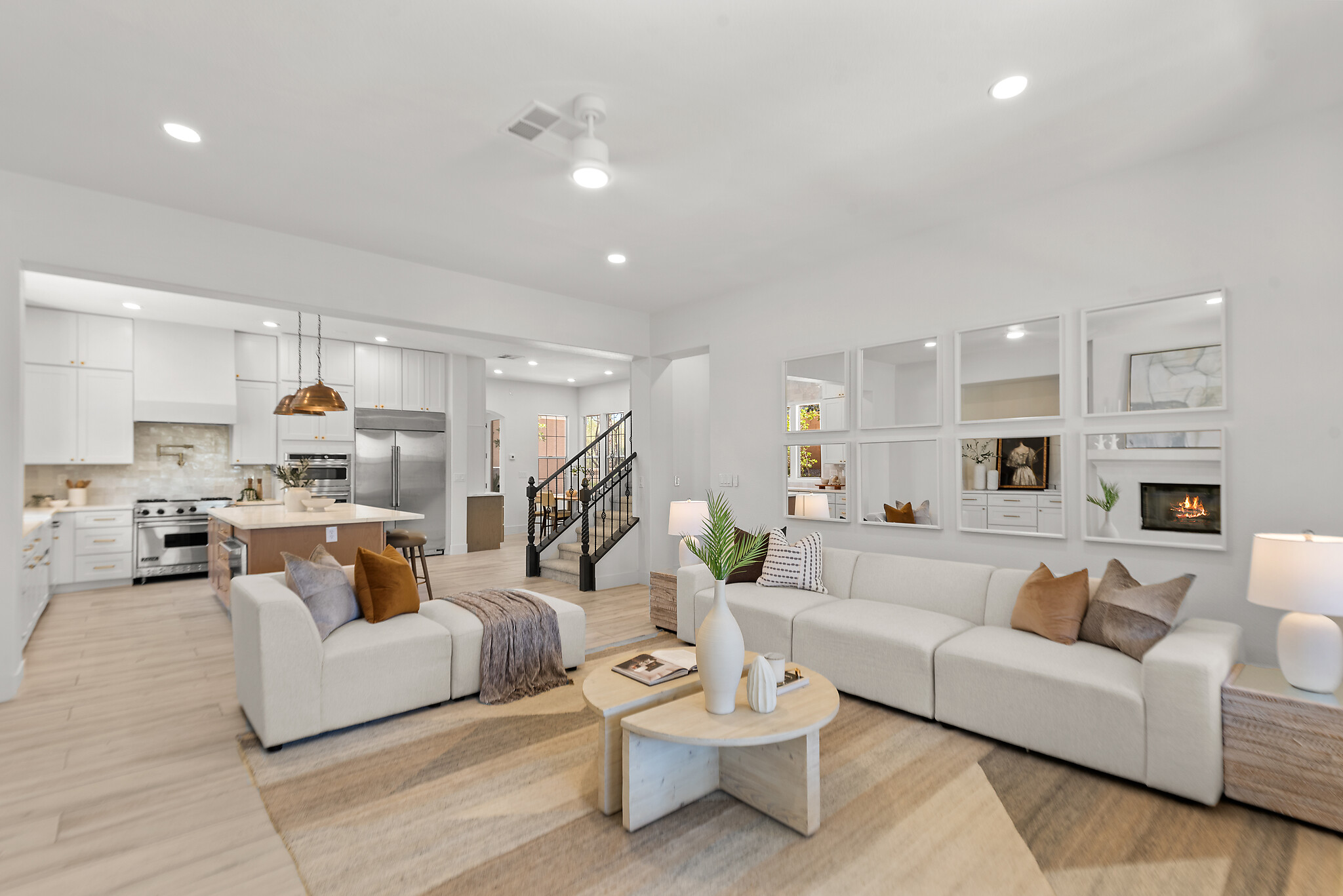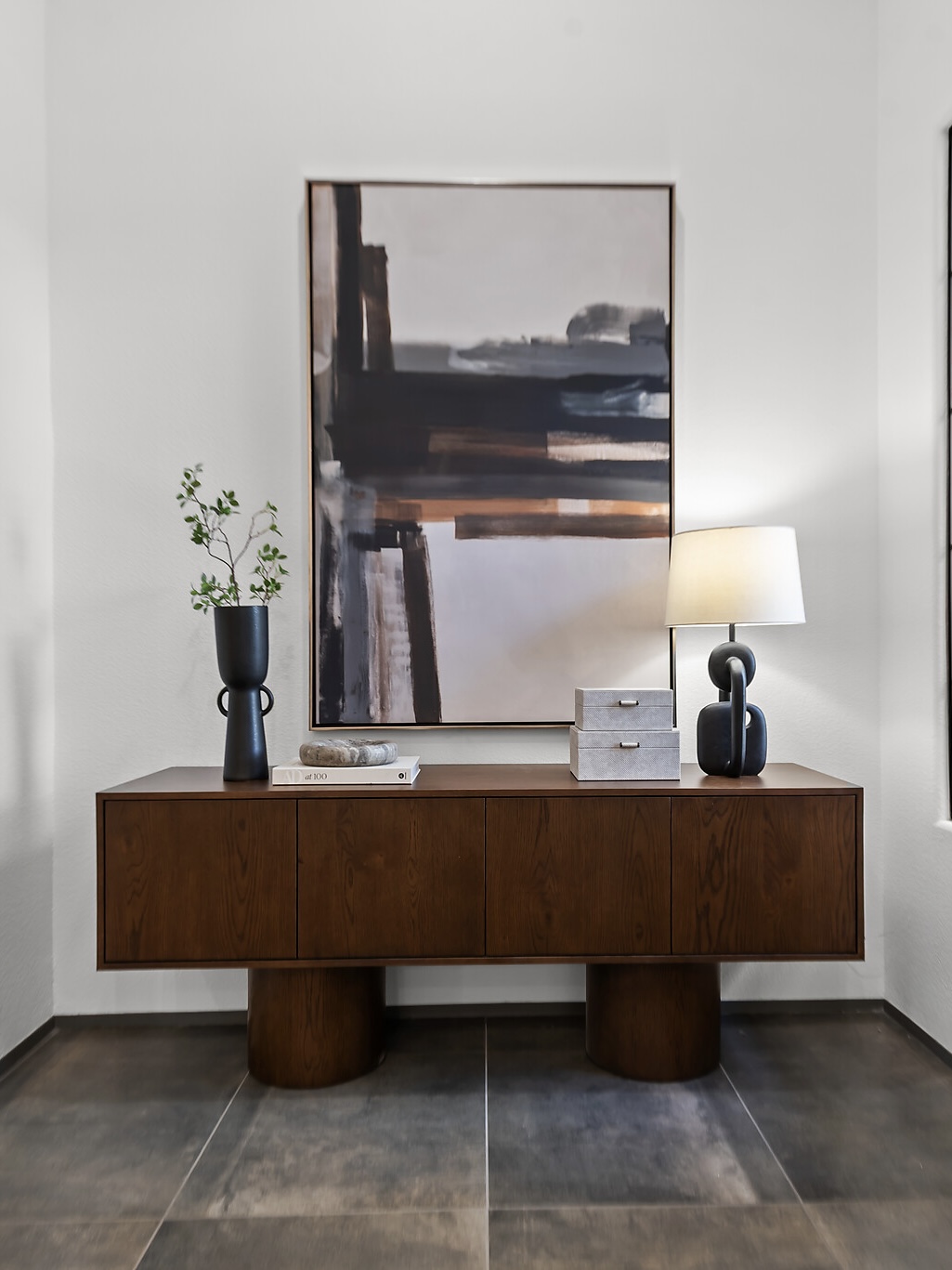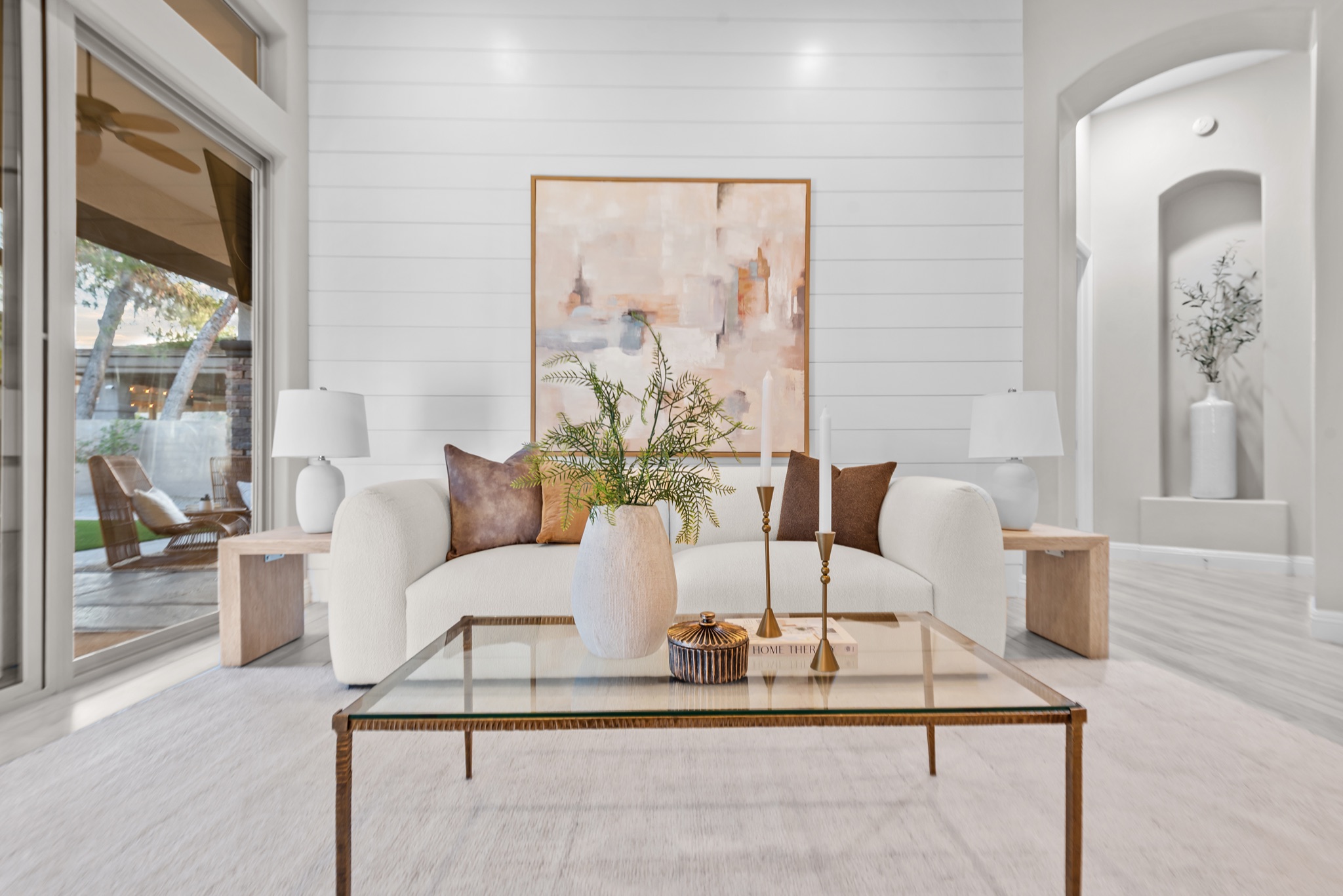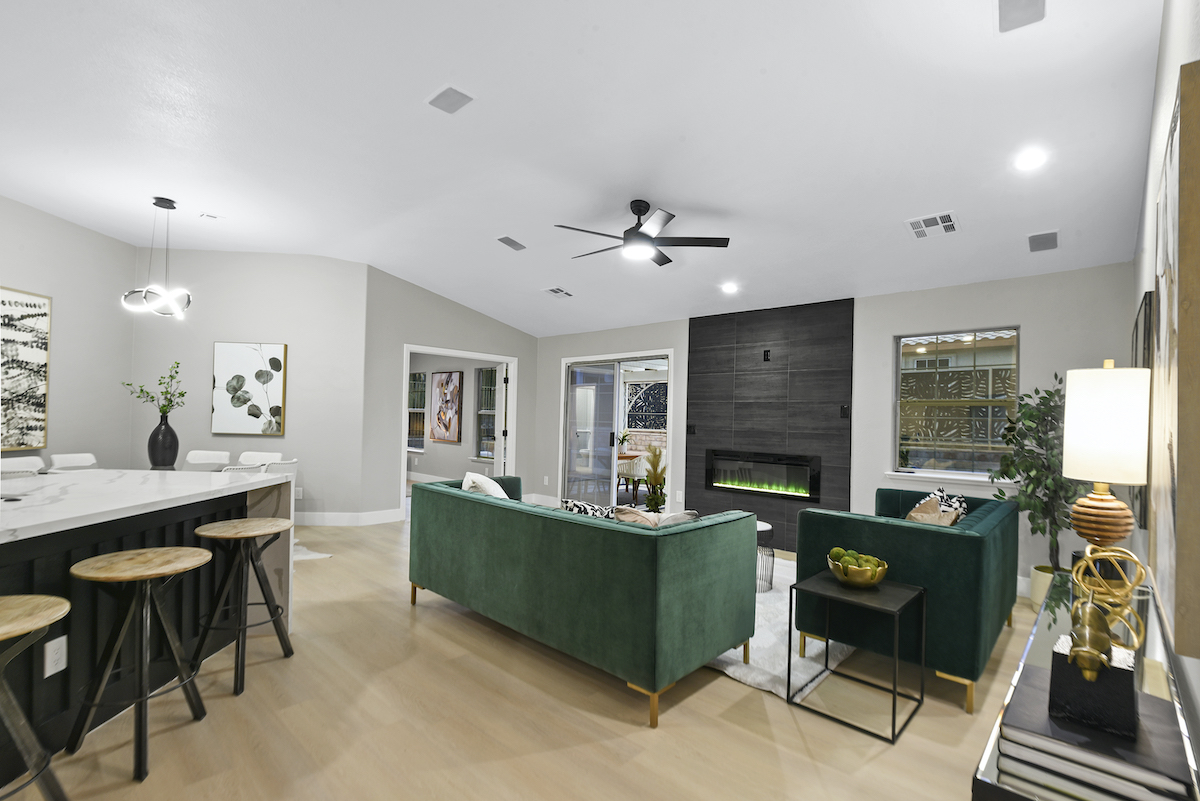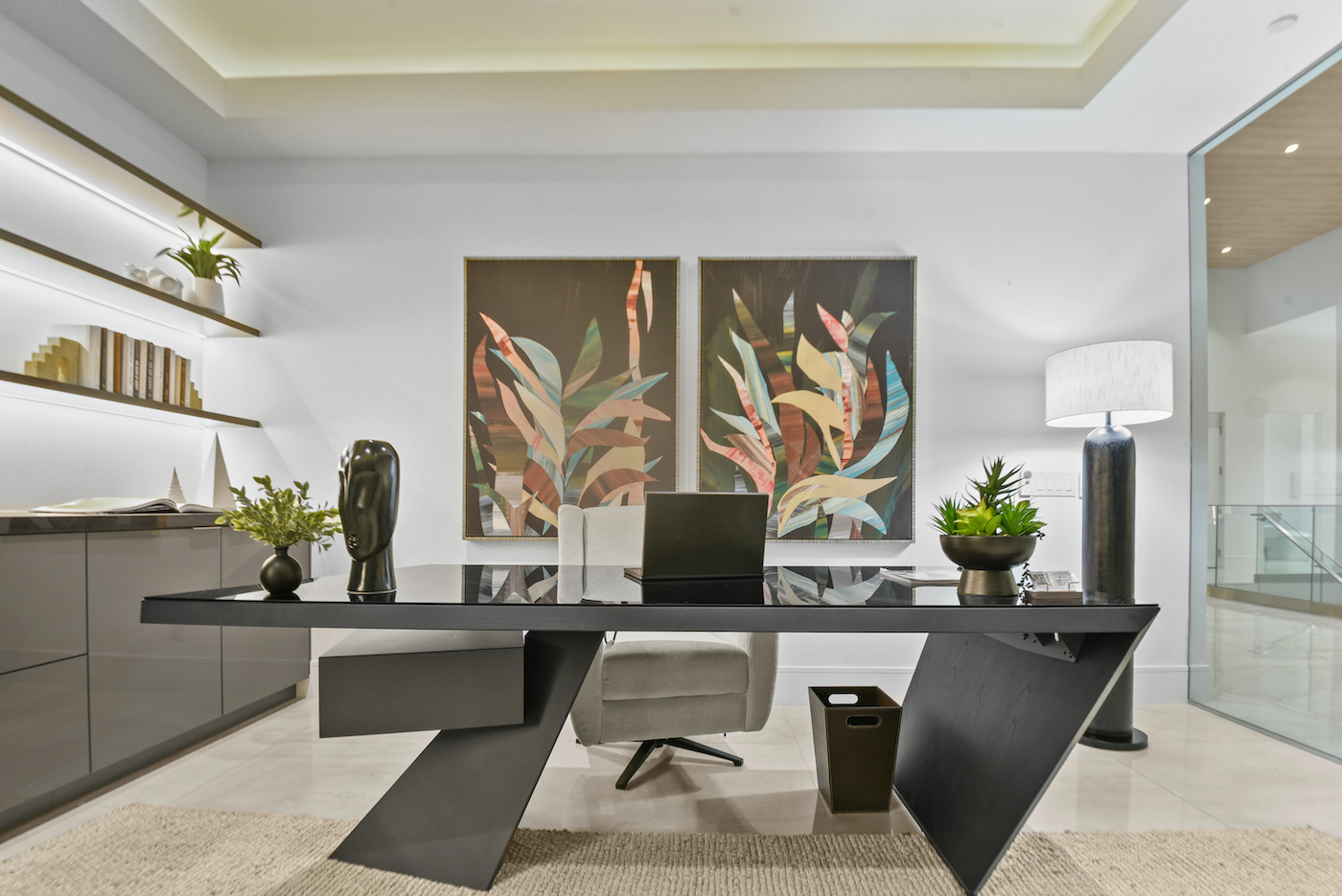
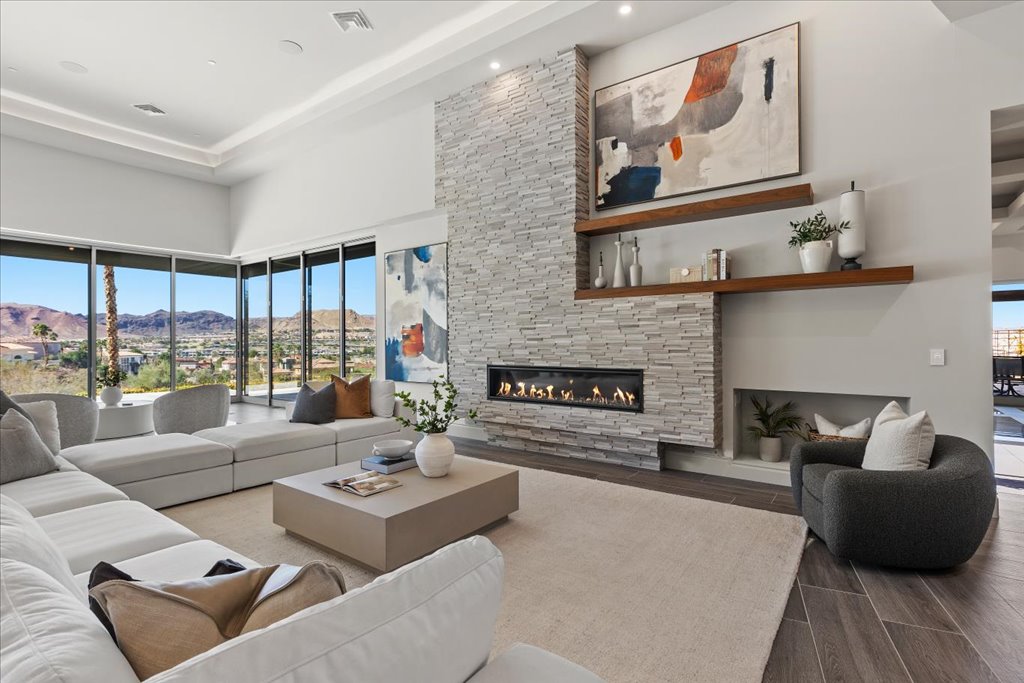
Most people think staging scales with the size of the home.
- Bigger house → more furniture
- Smaller house → less furniture
That’s not how it works.
A $400,000 listing and a $4 million listing aren’t different because of square footage. They’re different because of buyer expectation.
And that expectation changes everything about how the home needs to be presented.
At every level, the goal is the same:
Create an aspirational presentation that showcases the home’s features and builds an emotional connection—broad enough to resonate with the largest pool of likely buyers.
It’s Not About the House. It’s About the Buyer.
Price point determines what the buyer is looking for—and what they’ll respond to.
Staging isn’t about finishing the home for one person.
It’s about:
- Clarifying how the home lives
- Highlighting its strongest features
- Creating moments that feel natural, elevated, and easy to connect with
The goal isn’t to make it feel complete.
The goal is to make it feel compelling.
Where buyers can see themselves—but don’t feel like they’re stepping into someone else’s personal design.
What Changes as Price Increases
This isn’t a gradual shift. It’s a step change.
Lower Price Points
Buyers are asking:
- Does the layout make sense?
- Is it clean?
- Can I move in without major work?
Staging here is about:
- Defining space
- Keeping it simple
- Making the home easy to understand
Even at this level, being on trend matters.
Current, well-selected furniture helps the home feel updated and market-ready—while outdated pieces can make it feel older than it is.
The response is subtle—but important: This works. This makes sense. I can see it.
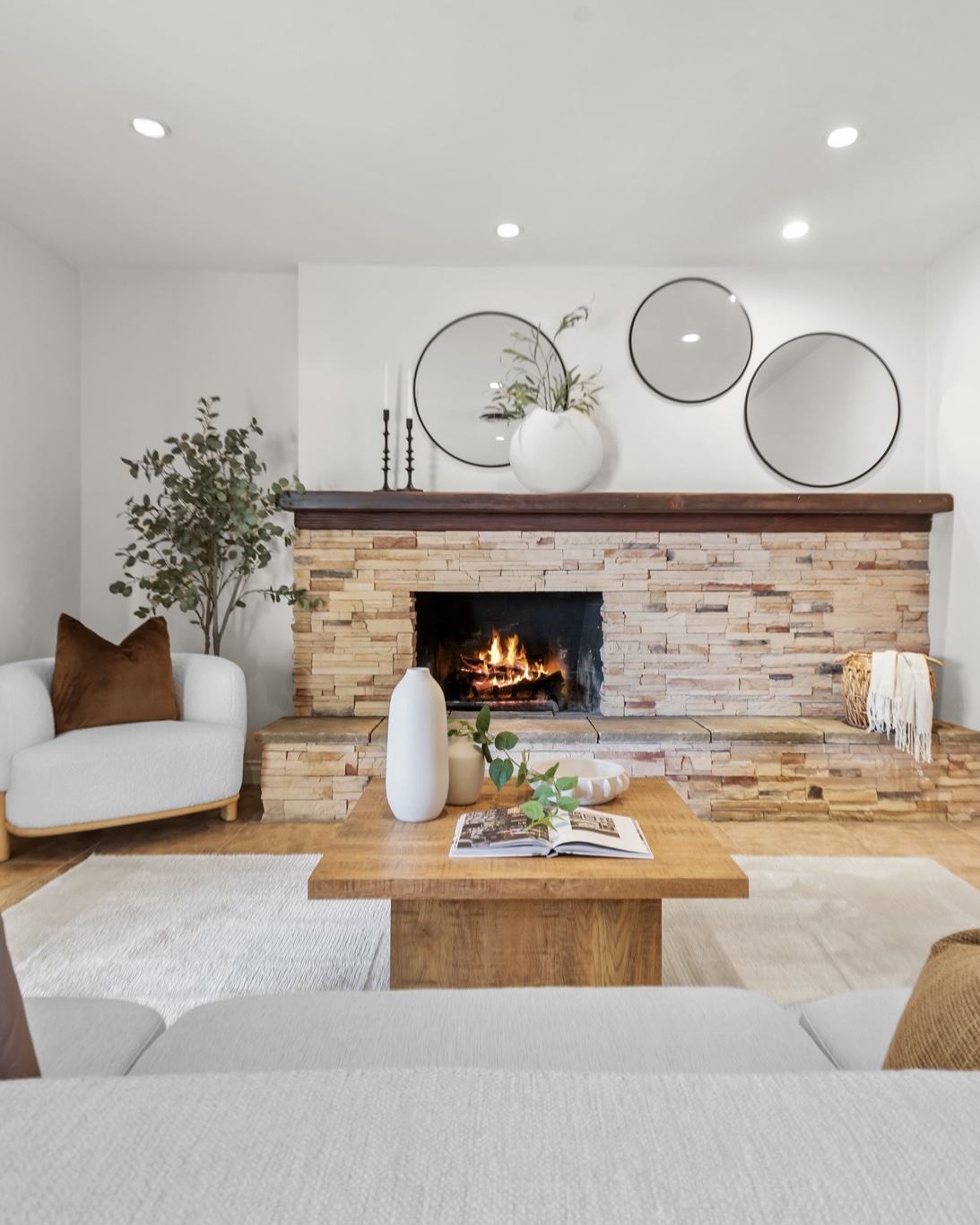
Mid-Range
This is where comparison starts.
Buyers are walking multiple homes and thinking: “Why does this one feel better?”
They may not say it—but they feel it.
This is where staging creates separation through:
- More intentional layouts
- Cleaner visual flow
- Subtle lifestyle moments that bring the space to life
Furniture selection becomes more important here—because it directly influences how current and competitive the home feels.
Higher Price Points
Now the evaluation changes.
Buyers notice:
- Furniture quality
- Artwork
- Scale
- Materials
They’re not just evaluating the home.
They’re responding to the experience of being in it.
This is where staging becomes more deliberate—less about filling space, more about shaping perception.
Being on trend is critical here—not as a style choice, but as a signal that the home aligns with today’s market expectations.
Luxury
At the luxury level, staging is about precision.
Buyers are subconsciously comparing your listing to:
- High-end hotels
- Designer interiors
- Elevated everyday environments
Luxury homes need to feel grand, read as high-value, and create an impression that stays with a more discerning buyer.
The expectation isn’t personalization—it’s alignment.
Every space should feel:
- Intentional
- Balanced
- Architecturally aware
And most importantly: each space should create a moment that feels elevated—but still broadly relatable.
Where Listings Fall Short
Most staging misses happen the same way.
Not because nothing was done—but because it wasn’t aligned with the price point.
The result:
- The home feels under-presented
- The scale or quality feels off
- The experience doesn’t match the expectation
Outdated or worn staging can be just as damaging.
Furniture that feels dated, overused, or out of step with current trends doesn’t just go unnoticed—it can actively lower the perceived value of the home.
Even when the property itself is strong, the wrong presentation can make it feel:
- Older
- Less maintained
- Less competitive
Buyers don’t always articulate it.
They just don’t engage the same way.
How Staging Adjusts by Price
Under $500K — Be Strategic
You don’t need everything staged.
You need clarity.
Focus on:
- Living room
- Primary bedroom
- One additional key space
The goal: make the home easy to understand—and easy to move through.
$500K–$1M — Create Separation
This is where most listings lose ground.
Buyers are seeing multiple homes—and the one that feels more considered stands out.
At this level:
- Gaps are noticeable
- Quality differences show
- Presentation influences perception quickly
$1M–$2M — Elevated + On-Trend
At this level, staging needs to do more than fill the home—it needs to position it.
Buyers expect the home to feel current.
If it doesn’t, it can read as dated—even if the finishes are solid.
This is where being on trend becomes critical.
Not as a design choice—but as a positioning tool.
Updated, current furniture helps reinforce that the home feels relevant in today’s market—supporting perceived value and ROI.
The approach:
- Full coverage with no gaps
- Elevated furniture and materials
- Clean, current styling aligned with buyer expectations
The goal: present the home at its maximum perceived value.
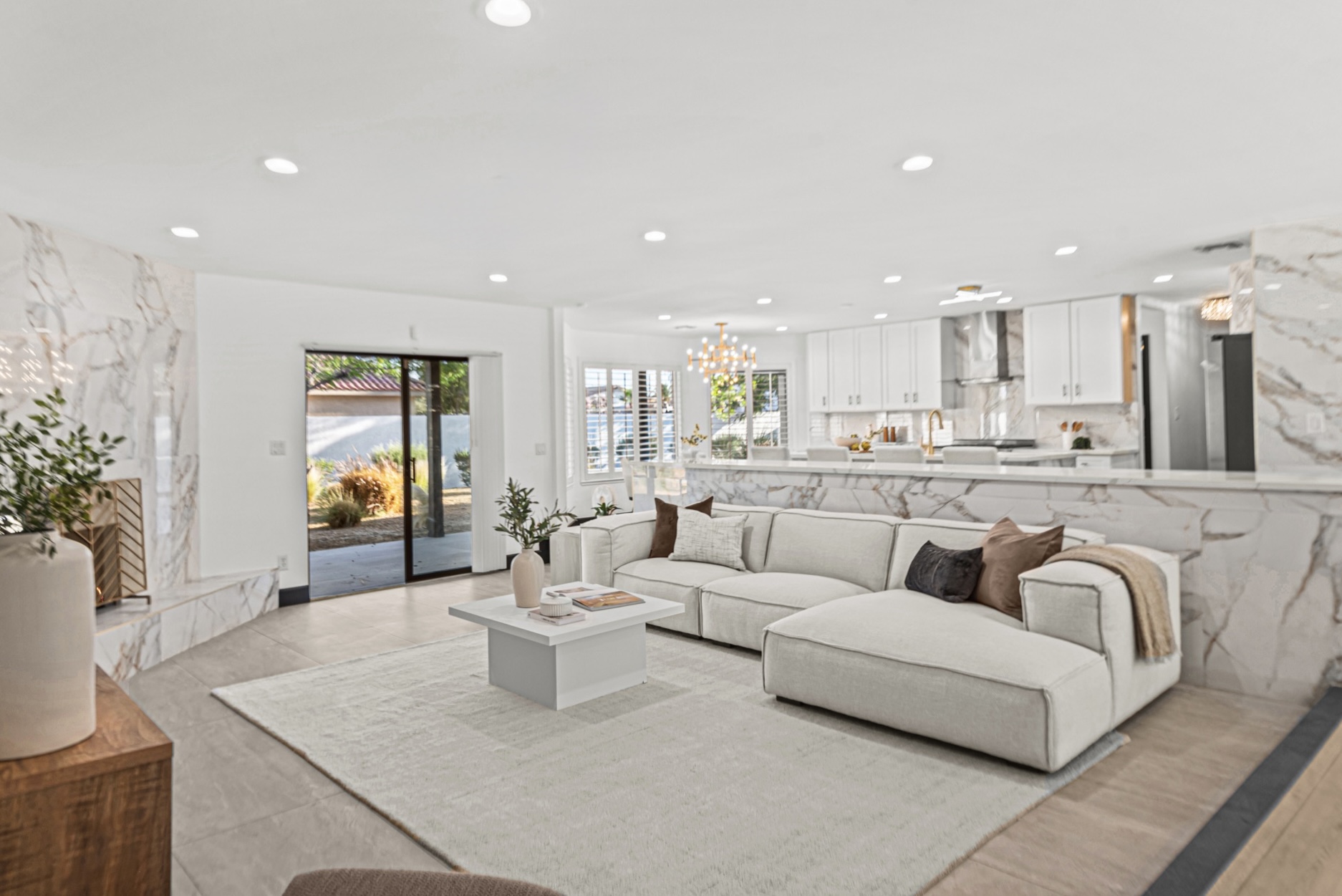
$2M+ — Precision + Restraint
At this level, less—but better.
Buyers notice:
- Material quality
- Scale and proportion
- The intentionality behind each piece
Nothing should feel excessive. Nothing should feel random.
Every detail should support the architecture and reinforce the home’s position in the market.
The Budget Mistake
A common question: “What does staging cost?”
The better question: “What does this home need to compete at its price point?”
Because expectation—not size—is what drives the approach.
More Isn’t Better. Better Is Better.
Higher-end staging isn’t about more furniture.
It’s about:
- Selection
- Restraint
- Quality
- Alignment
Furniture doesn’t just fill a space—it signals whether the home feels current. When it doesn’t, it can work against the listing.
The goal isn’t to fill the home.
It’s to present it in a way that feels elevated, current, and easy for buyers to connect with.
Aligning Price and Presentation
Staging should reflect how the home is positioned.
If the home is priced at the top of the market → the presentation should support that.
If it’s priced competitively → staging should help it stand out.
The goal is alignment: Price → Presentation → Buyer Expectation.
When those align, buyers move forward.
When they don’t, they hesitate.
Final Thought
Staging isn’t about completing a home.
It’s about positioning it.
The right approach showcases the home’s features, builds an emotional connection, and creates an impression that stays with the buyer long after they’ve left.
Call Scott at 702-848-3750 or request a free estimate online to discuss what staging strategy looks like for your property’s price point.