
When most people think of home staging, they think of furniture—sofas, beds, dining tables. But experienced stagers know furniture is only the visible framework. The elements that most powerfully shape buyer perception often operate below conscious awareness: the quality of light, the subtlety of scent, the warmth of texture, and even the acoustic character of a space.
These sensory cues don’t always show up in listing photos, yet they play a decisive role in how buyers feel the moment they walk through the door. Understanding sensory staging is what transforms a well-presented home into one that feels unmistakably right.
The Multi-Sensory Experience of Home Buying
Humans process their environment through all five senses simultaneously. While real estate marketing rightly prioritizes visual appeal—since most buyers begin their search online—the in-person showing is a fully sensory experience.
Buyers may not consciously note that a home smells fresh, feels comfortable, sounds quiet, or offers inviting textures. But their emotional response is the sum of all these inputs. A home that looks good visually but fails on other sensory dimensions often leaves buyers with a vague, unspoken hesitation: something doesn’t feel right.
That hesitation matters.
How Emotion Forms Before Logic
Research in environmental psychology shows that sensory inputs combine to create emotional responses before conscious analysis begins. A bright room with fresh air, soft textures, and balanced lighting feels welcoming. The same room with poor lighting, stale air, and hard surfaces feels cold or institutional—even if the layout and finishes are identical.
By the time buyers begin evaluating square footage, features, or price, their emotional reaction has already formed. Sensory staging ensures that first, automatic reaction works in the seller’s favor.
Light: Setting the Emotional Tone
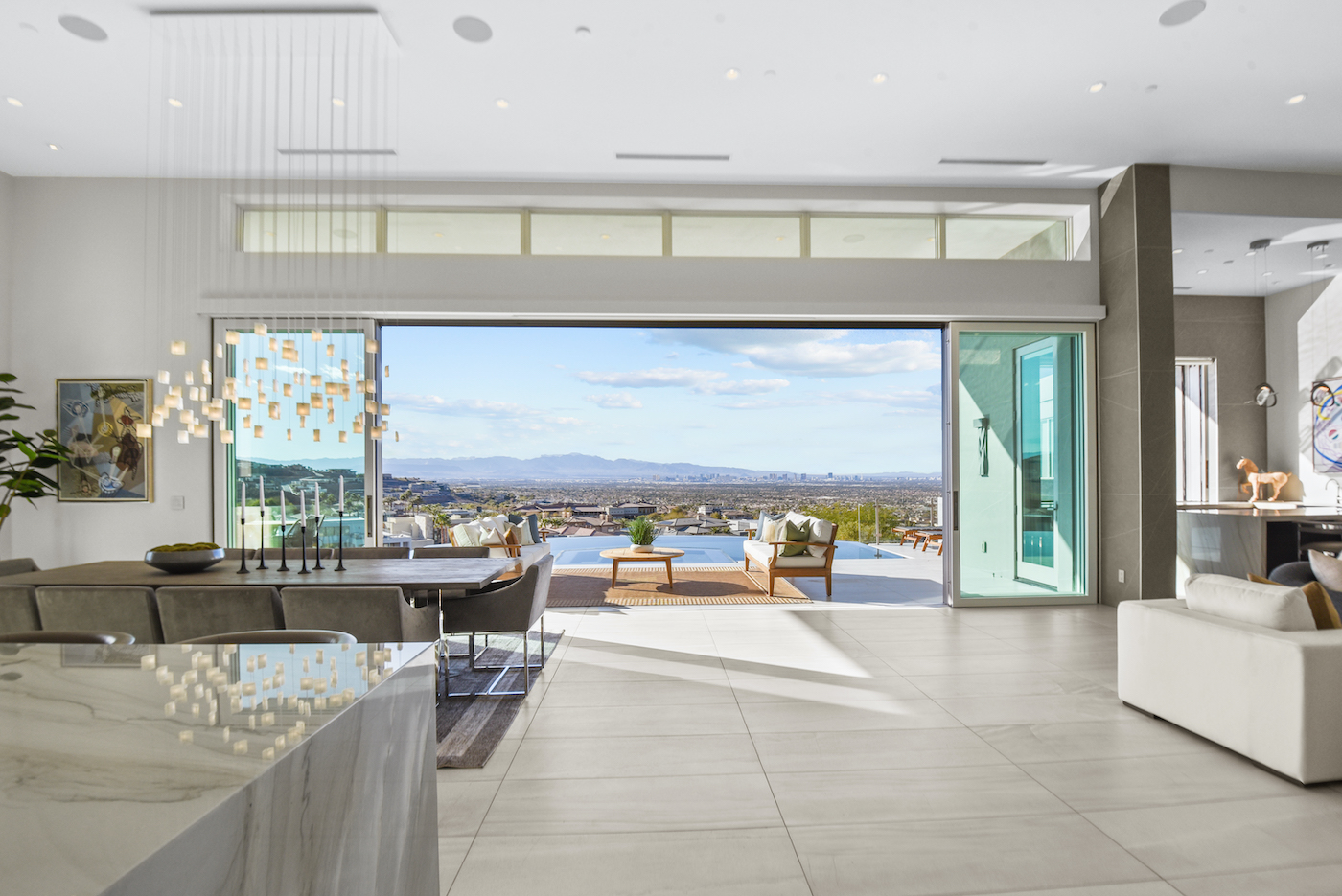
In Las Vegas, abundant sunlight is a powerful selling feature—when leveraged intentionally.
Before every showing:
- Open all blinds and curtains fully
- Clean windows (dirty glass dramatically reduces light)
- Trim exterior landscaping that blocks windows
- Raise shades to allow maximum daylight penetration
Natural light makes rooms feel larger, cleaner, and more inviting. Homes shown with closed blinds often feel smaller and can even trigger subconscious suspicion.
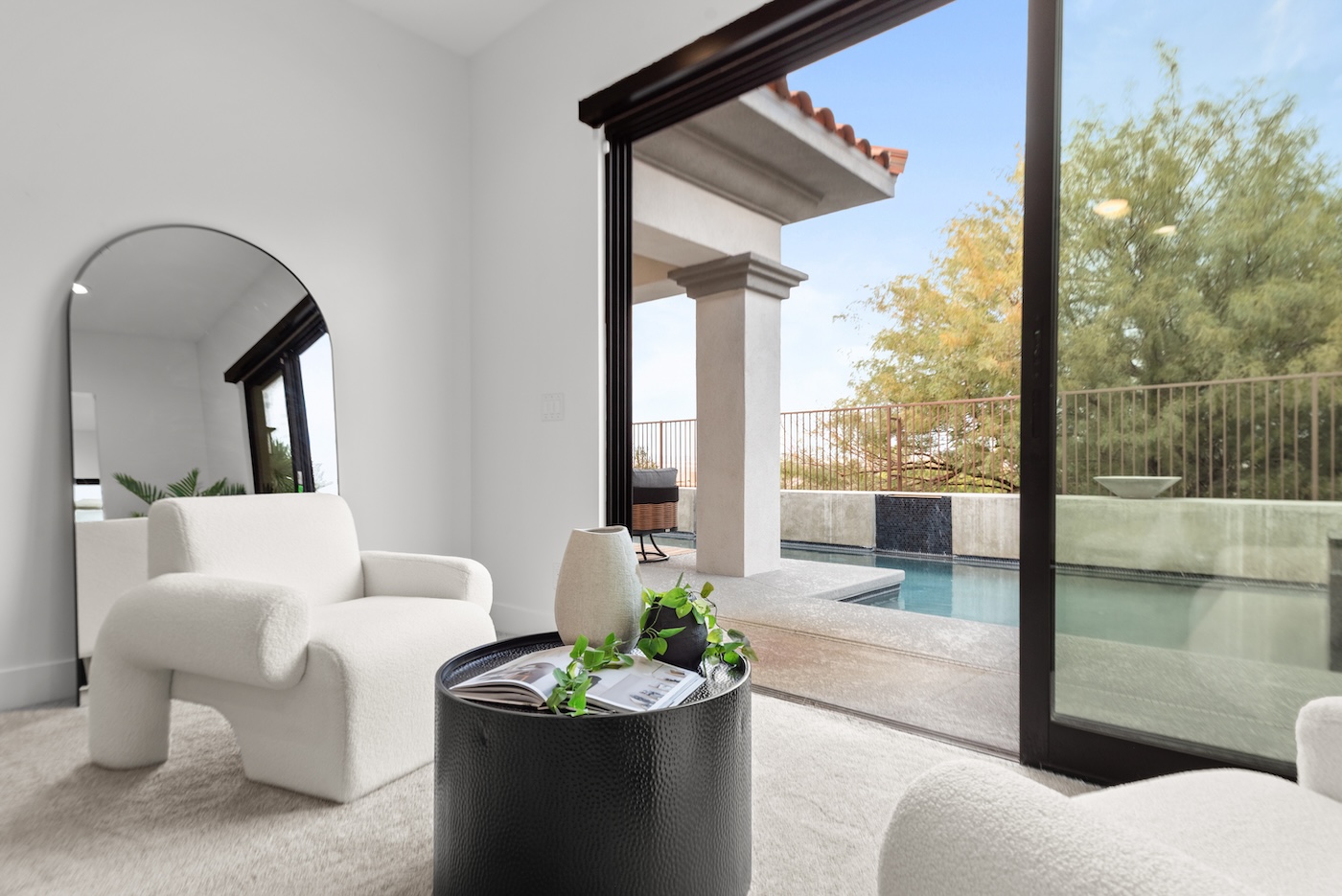
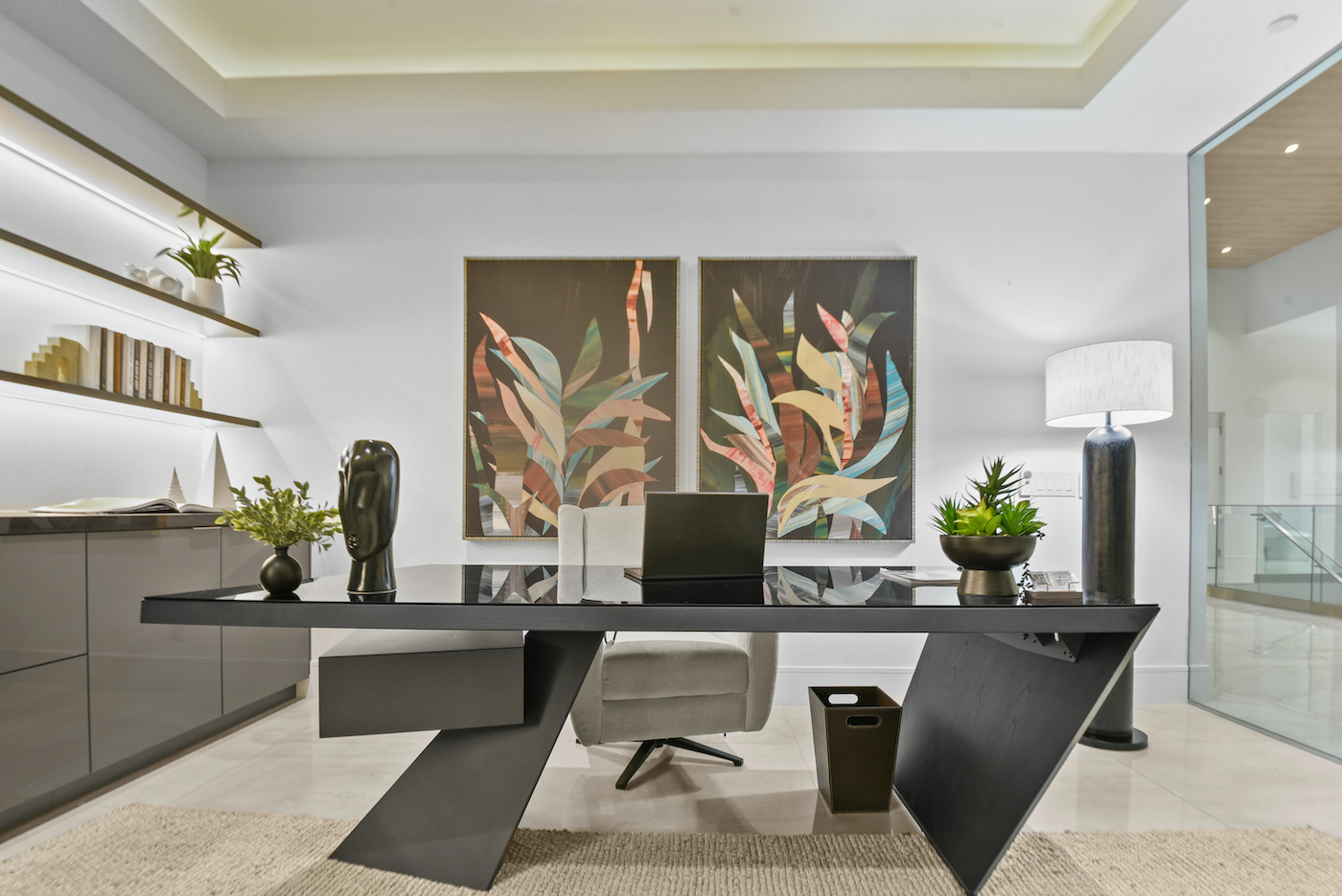
Artificial lighting matters just as much. Rely on layered lighting rather than a single overhead source:
- Ambient lighting for general illumination
- Task lighting for function
- Accent lighting to create depth and warmth
A room lit only from above feels flat. Multiple light sources create dimension and visual comfort.
Bulb temperature is critical. Warm white bulbs in the 2700K–3000K range feel inviting and residential. Cool white or daylight bulbs (4000K+) read as clinical and should be replaced before showings. Even a single burned-out bulb can subtly signal neglect.
Light timing also matters. Twilight showings highlight Strip views and city lights; morning light emphasizes mountain backdrops. Understanding how light moves through a home allows showings to be scheduled for maximum emotional impact.
Scent: The Silent Deal-Maker—or Breaker
Smell is the sense most closely tied to memory and emotion. A pleasant—or neutral—scent creates instant comfort. An unpleasant odor can end buyer interest in seconds, often without conscious awareness.
Before listing, eliminate common scent issues:
- Pet odors (noticeable even to pet lovers)
- Smoke residue, which permeates walls, carpets, and HVAC systems
- Mustiness from closed-up homes or moisture issues
- Lingering food smells
- Heavy chemical cleaners
Deep cleaning carpets and upholstery is essential. Severe odor issues may require professional remediation or ozone treatment.
When introducing scent, restraint is key. The goal is fresh and neutral, not scented. Avoid plug-ins, heavy candles, or potpourri. Instead:
- Fresh flowers
- Clean linens
- Light citrus notes (such as lemon peel in the disposal)
The best scent is barely noticeable—just clean, fresh air.
Texture: Creating Tactile Comfort
Buyers touch more than they realize. They run hands along countertops, sit on sofas, test cabinet doors, and brush against fabrics. These tactile experiences communicate comfort and quality—or the lack of it.
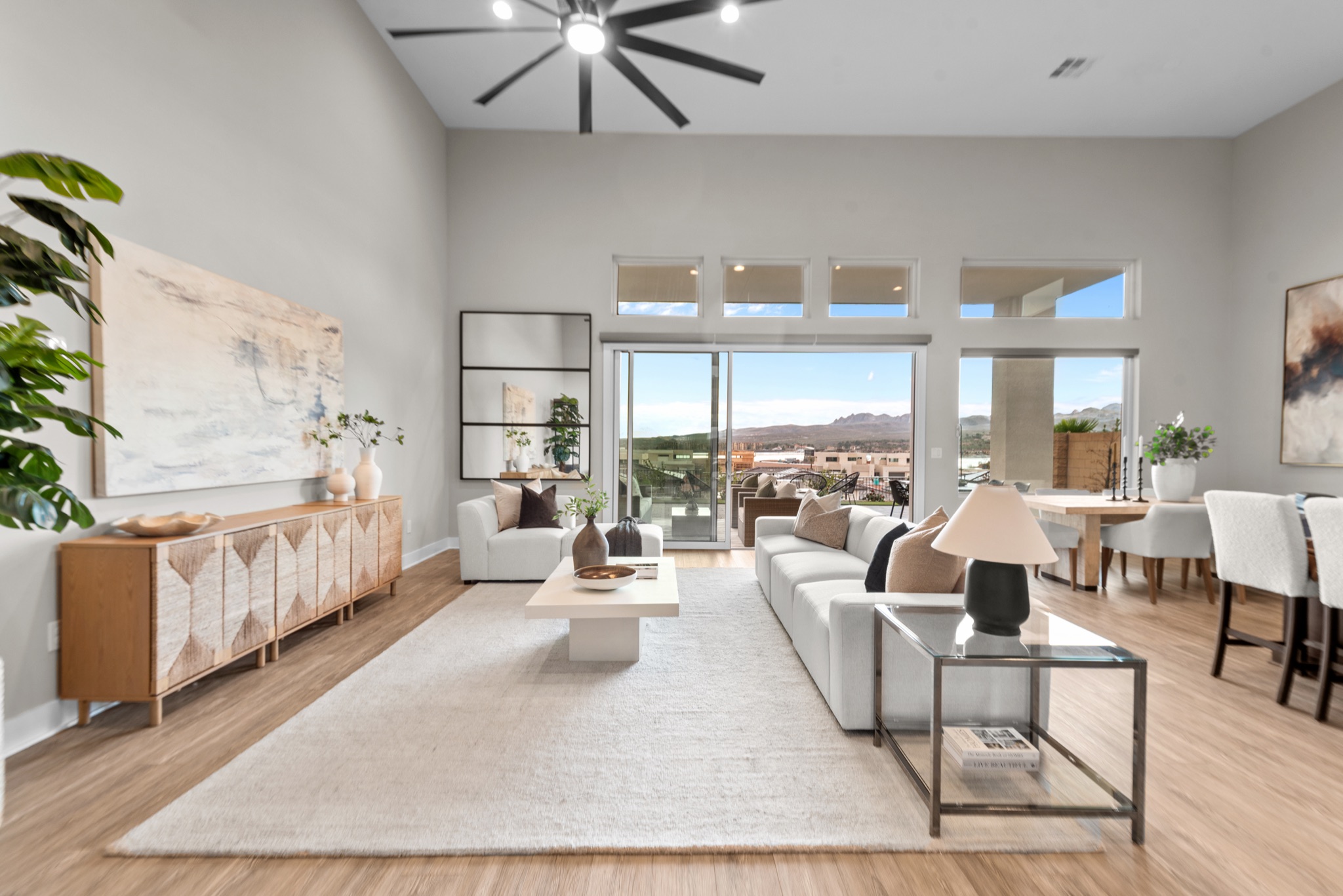
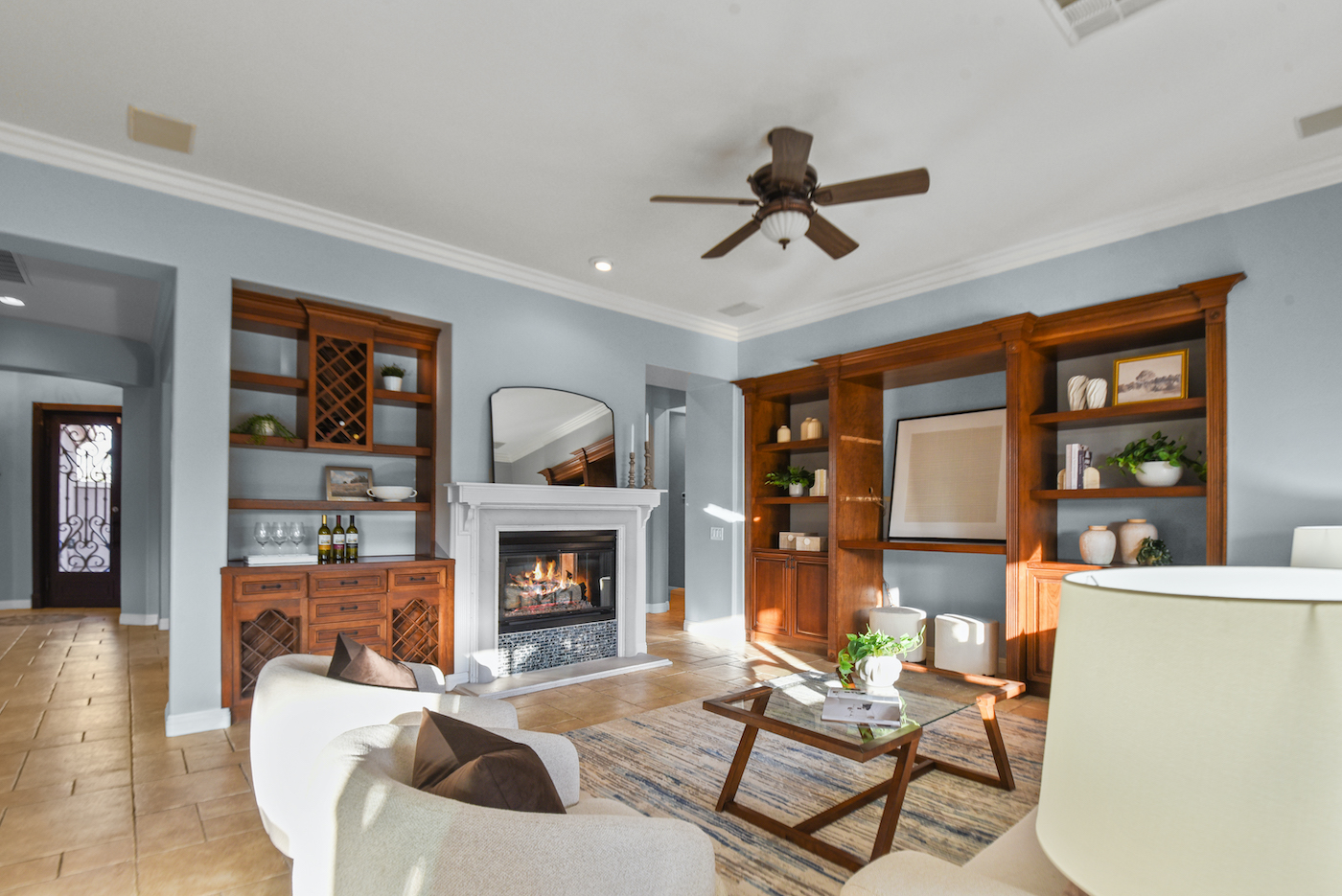
Soft throws and pillows invite interaction and help buyers imagine living in the space. Area rugs add warmth underfoot, particularly on hard flooring, while also defining rooms and enhancing photos.

Bedrooms benefit enormously from hotel-quality bedding. Crisp white linens layered with textured throws signal care and comfort. Window treatments also matter: soft drapery adds warmth and sophistication, while hard blinds alone can feel purely functional.
Thermal comfort plays a role as well. A home that feels too hot or too cold creates physical discomfort that quickly turns into emotional rejection. Thermostats should be set thoughtfully—typically around 72°F in summer and slightly warmer in winter.
Sound: The Most Overlooked Sense
Empty rooms echo. Even if buyers can’t articulate why, echoing spaces feel colder and less welcoming. Staging softens acoustics through rugs, upholstered furniture, drapery, and textiles that absorb sound.
Mechanical noise should also be addressed:
- HVAC systems should run quietly
- Appliances and pool equipment should not rattle
- Exterior noise should be minimized when possible
Some homes benefit from subtle background music during showings. Barely audible instrumental music—jazz, classical, or acoustic—can create atmosphere without distraction. Avoid lyrics and keep volume low enough to feel, not notice.
Preparing Every Sense for Success
Effective staging goes far beyond what appears in listing photos. Light, scent, texture, and sound combine with visual presentation to shape how buyers feel—and those feelings drive decisions.
Homes that engage the senses create comfort, confidence, and emotional connection. That connection is what leads to stronger offers and faster sales.
To discuss comprehensive staging that addresses every element of buyer perception, call Scott at 702-848-3750 or request a free estimate online and evaluate staging as the strategic advantage it truly is.