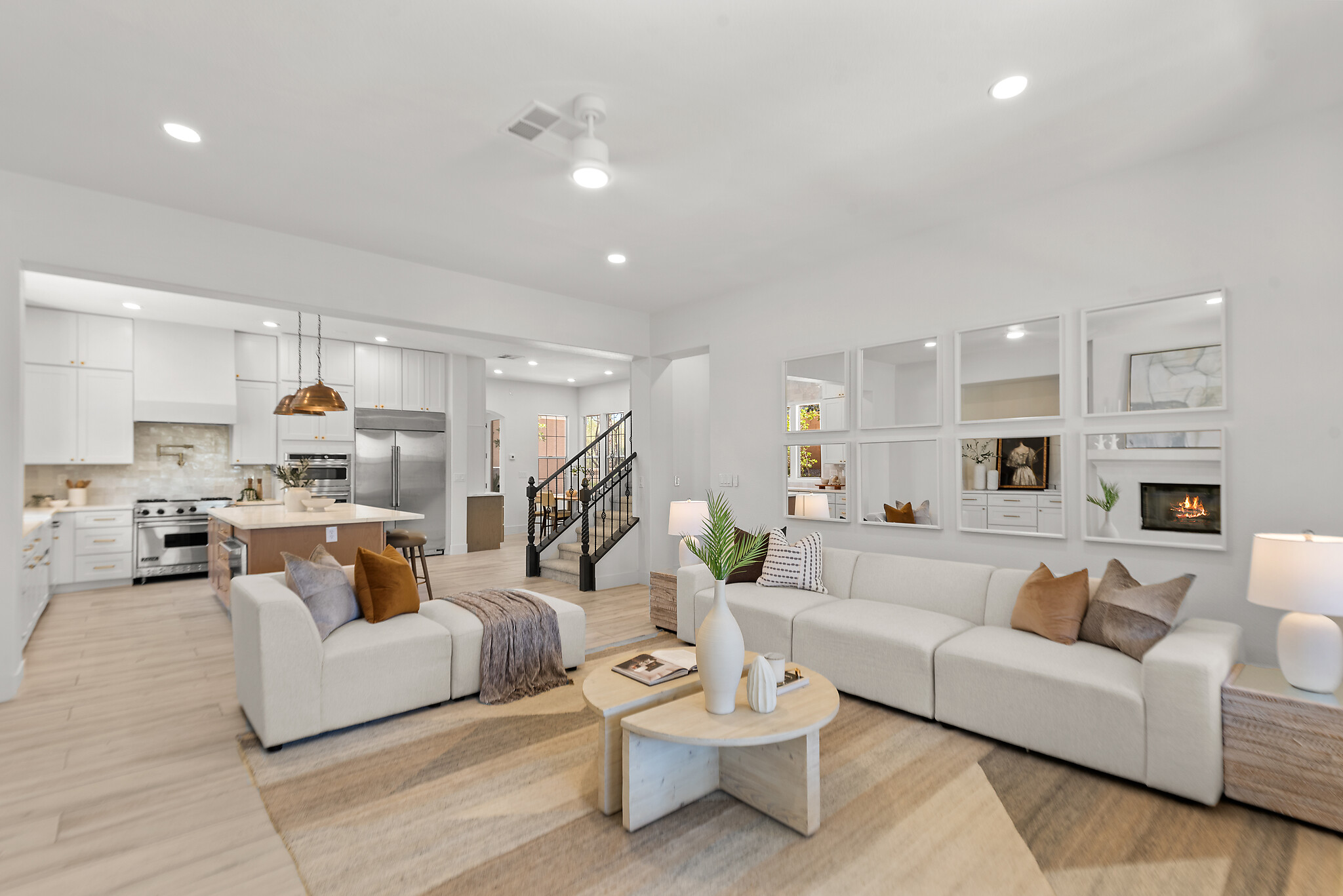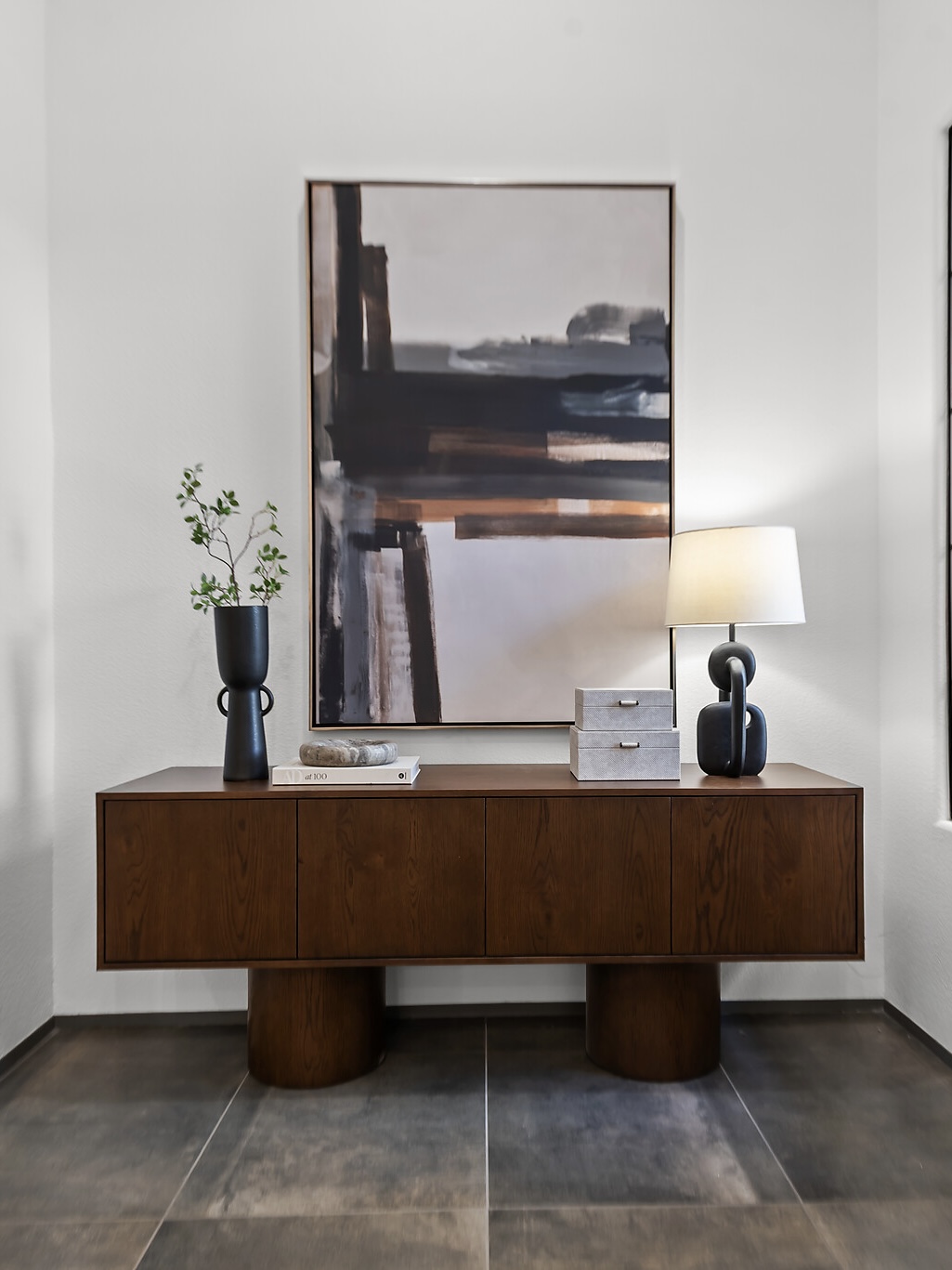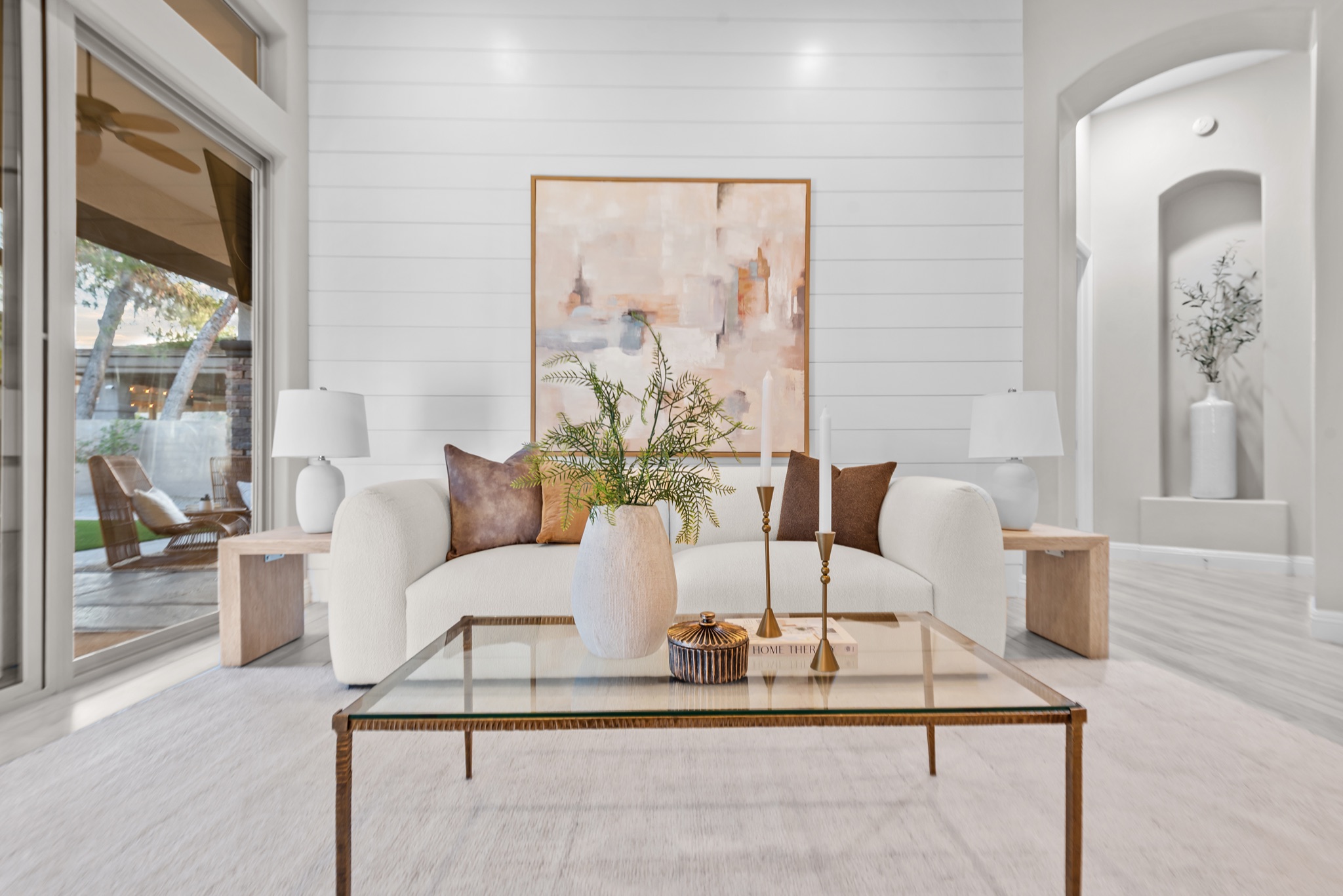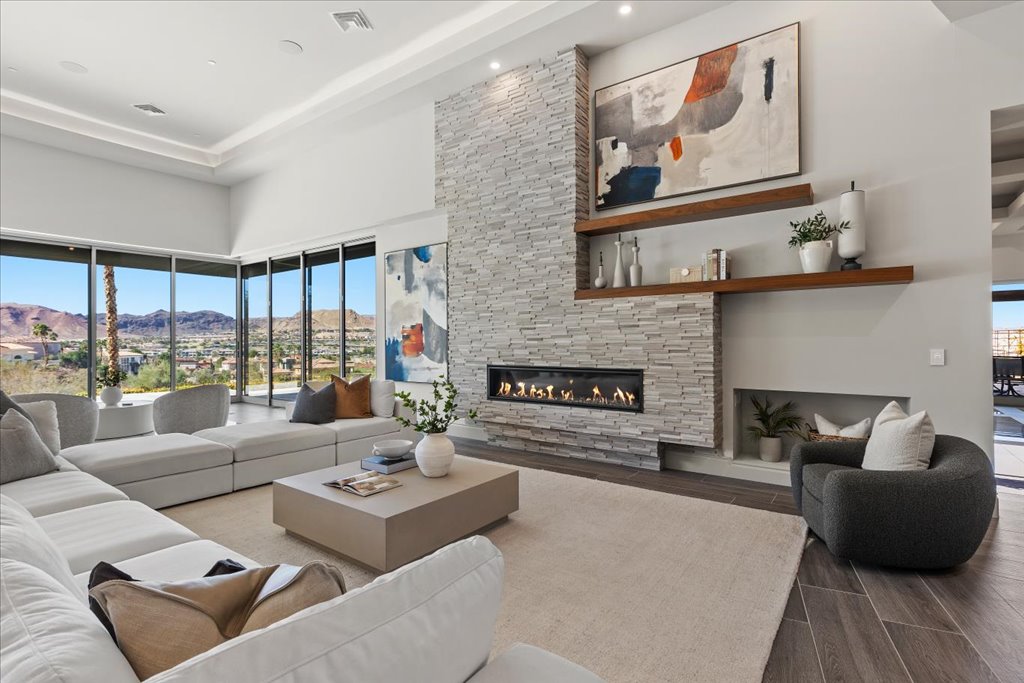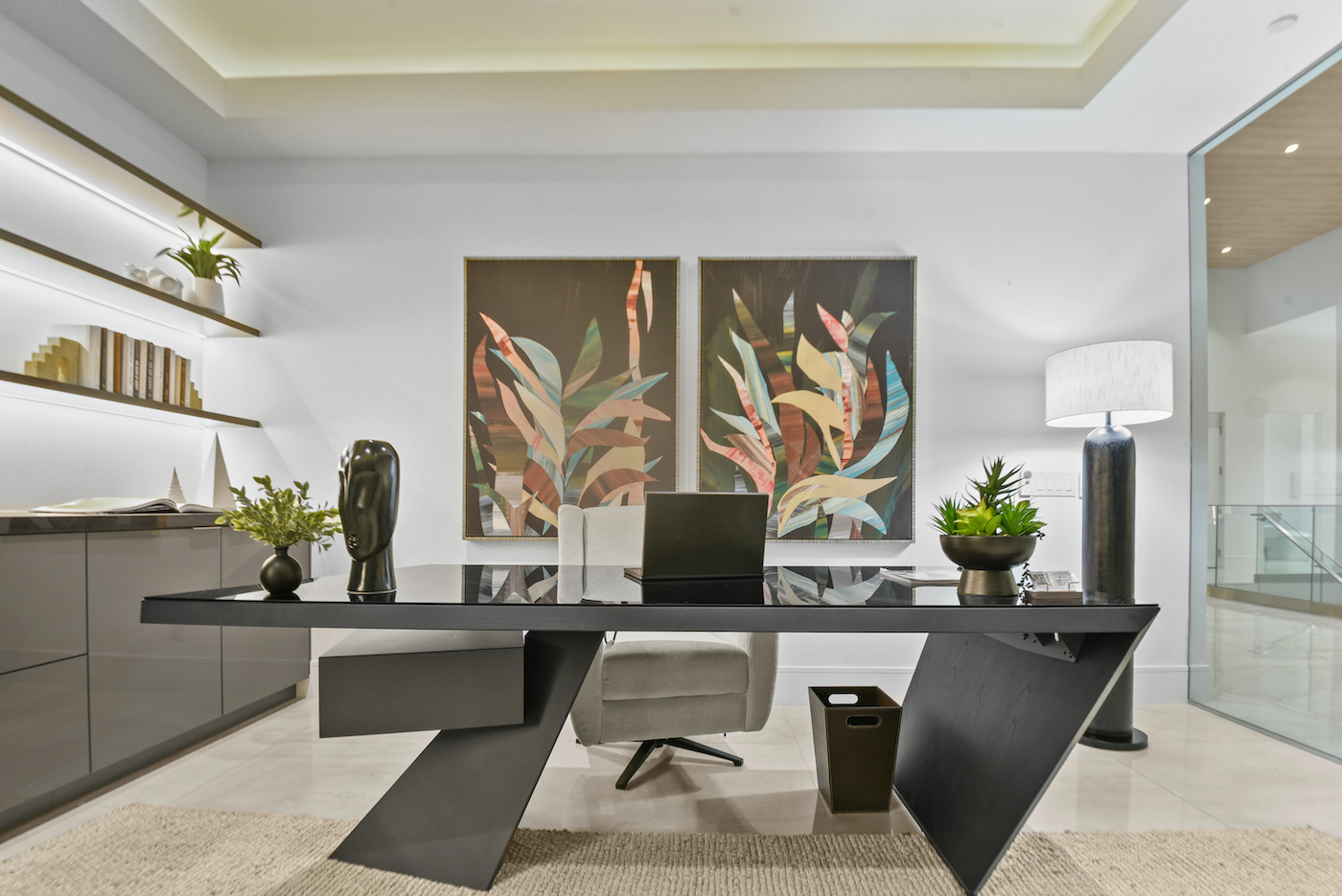
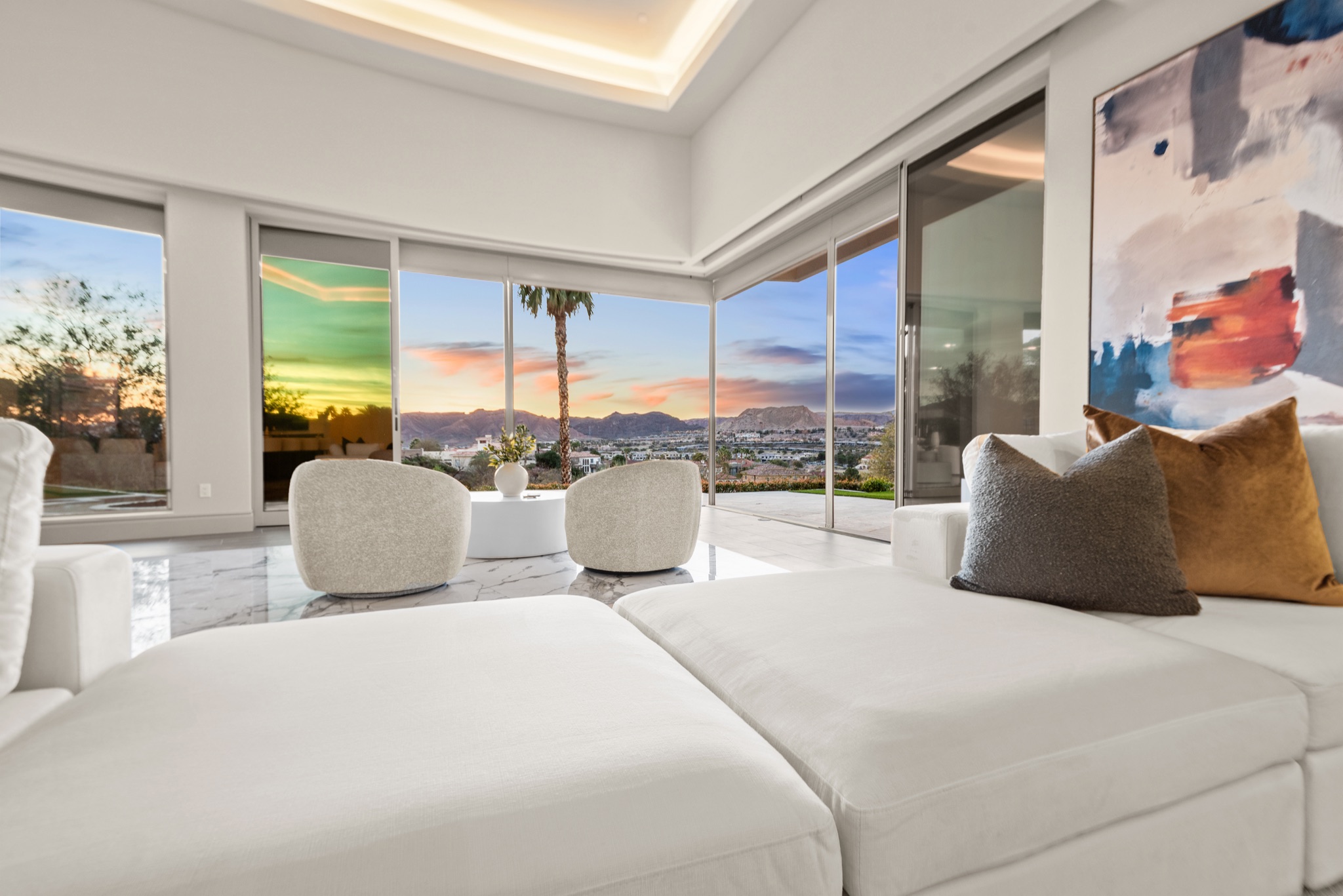
Some $2 million homes sell in days. Others sit for months, absorbing carrying costs and enduring price reductions before finally closing well below list price. The difference is rarely the home itself. More often, it is how the home was presented to the market.
In Las Vegas’s luxury market — Summerlin, MacDonald Highlands, Henderson, and Southern Highlands — presentation is not a nice-to-have. It is one of the clearest variables separating fast sales from slow ones. At the luxury level, staging is not about filling space. It is about shaping perception, creating emotional connection, and helping buyers see the home as worthy of its price point.
Luxury Buyers Are Not Regular Buyers
At the $2 million threshold, buyer psychology shifts. These buyers are not simply solving a housing problem. They are purchasing a lifestyle, an identity, and a statement about how they want to live.
That distinction changes how a property must be presented.
Luxury buyers often buy emotionally first and justify rationally second. They need to feel something when they walk in. It is not enough for the floor plan to function or for the home to appear well maintained. The home must feel elevated, memorable, and aligned with the life they aspire to.
They also tend to have more choices and less urgency. In every major metro, luxury inventory typically moves slower than mid-market inventory, and Las Vegas is no exception. Buyers at this level can afford to wait. If a home feels underwhelming, they move on.
They recognize quality instantly. Affluent buyers notice when staging feels generic or budget-conscious. They pick up on scale, material quality, layering, art selection, and whether the home feels custom-curated or quickly assembled.
Most importantly, they expect the presentation to match the price. A $2 million listing that looks like an upgraded version of a mid-market home creates disconnect. The price says extraordinary. The presentation says ordinary. That gap can cost a seller time, leverage, and ultimately money.
The First Photo Test
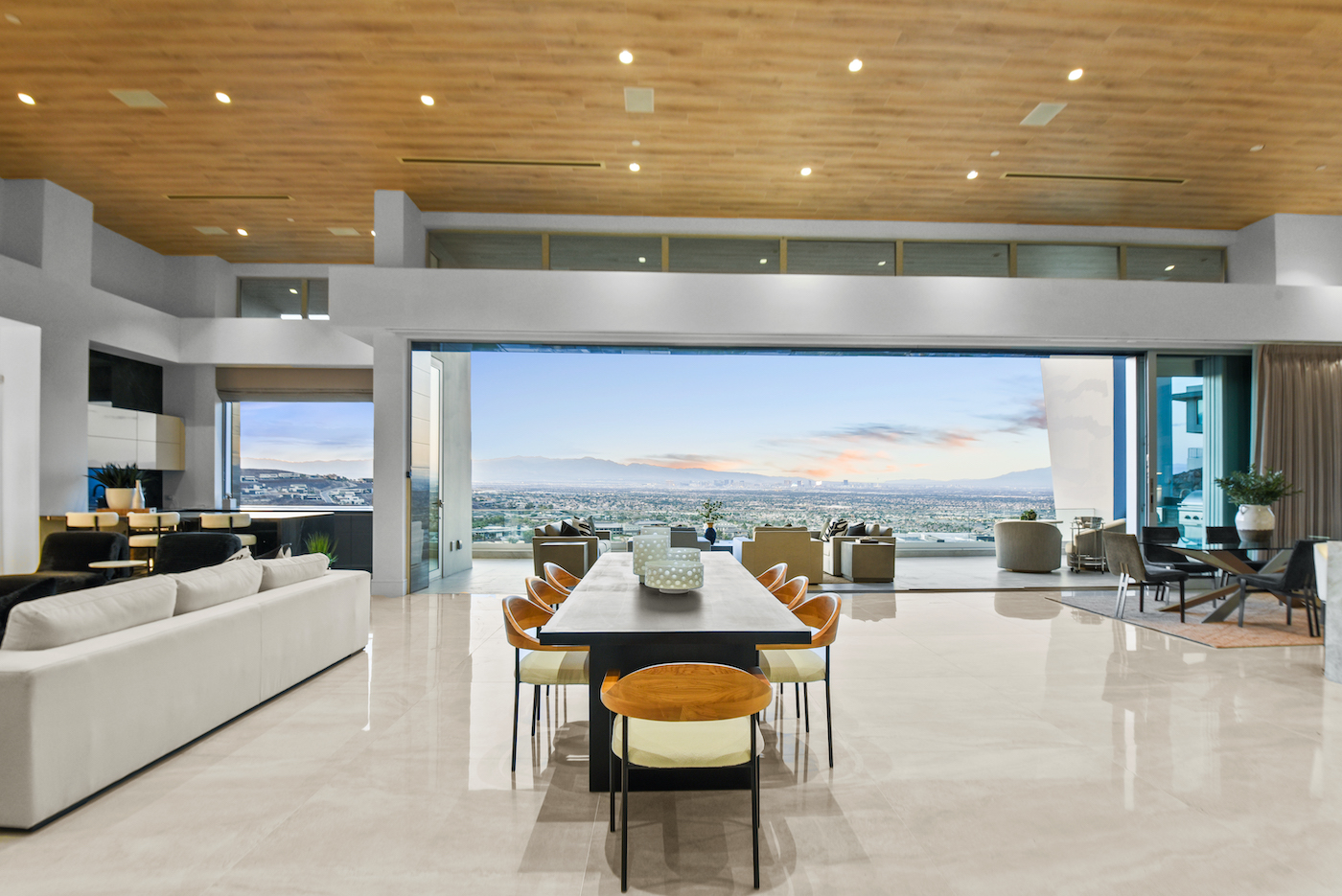
Before a luxury buyer ever steps through the front door, the sale has already begun online.
The listing photos are often the first and most important point of contact. If the home does not immediately communicate lifestyle, quality, and emotional appeal, many qualified buyers will never schedule a showing.
This is where luxury staging Las Vegas becomes especially powerful. An empty or poorly presented $500,000 home may still attract interest based on price and practicality. An empty $2 million home often feels cold, unfinished, or emotionally flat. Instead of reading as exclusive, it can read as incomplete.
Professional staging helps transform a listing from “expensive house” into “the life you’ve been imagining.” That shift is what drives curiosity, showings, and stronger offers.
5 Staging Strategies That Help High-End Homes Sell
Not all staging is equal. The gap between competent staging and luxury staging is significant. At the high end, the details matter more, the scale matters more, and the storytelling matters more.
1. Scale to the Architecture
Luxury homes are built with larger rooms, taller ceilings, broader sight lines, and more dramatic proportions. The furniture must rise to that level. Undersized sofas, small-scale art, or too few furnishings can make an expensive home feel sparse rather than grand.
The goal is to create balance. Substantial seating, properly sized rugs, statement lighting, and art with presence help the architecture feel intentional and complete.
2. Respond to the Home’s Unique Features
Luxury staging should never feel cookie-cutter. Each home should be treated as its own design project.
A great staging plan responds to the architecture, highlights the strongest selling features, frames important views, and supports the natural flow of the space. In one home, that may mean emphasizing a dramatic great room. In another, it may mean drawing attention to a spa-like primary suite, a sculptural staircase, or an indoor-outdoor entertaining area.
The staging should work with the home, not compete with it.
3. Create Lifestyle Vignettes
Luxury buyers do not just buy square footage. They buy experience.
Thoughtful vignettes help them imagine living well in the space. A refined reading corner, a beautifully styled bar, an elegant breakfast setting, or a serene sitting area in the primary bedroom can create emotional connection far more effectively than empty square footage ever could.
These moments should feel aspirational but believable. The goal is not clutter. It is storytelling.
4. Invest in Quality Materials
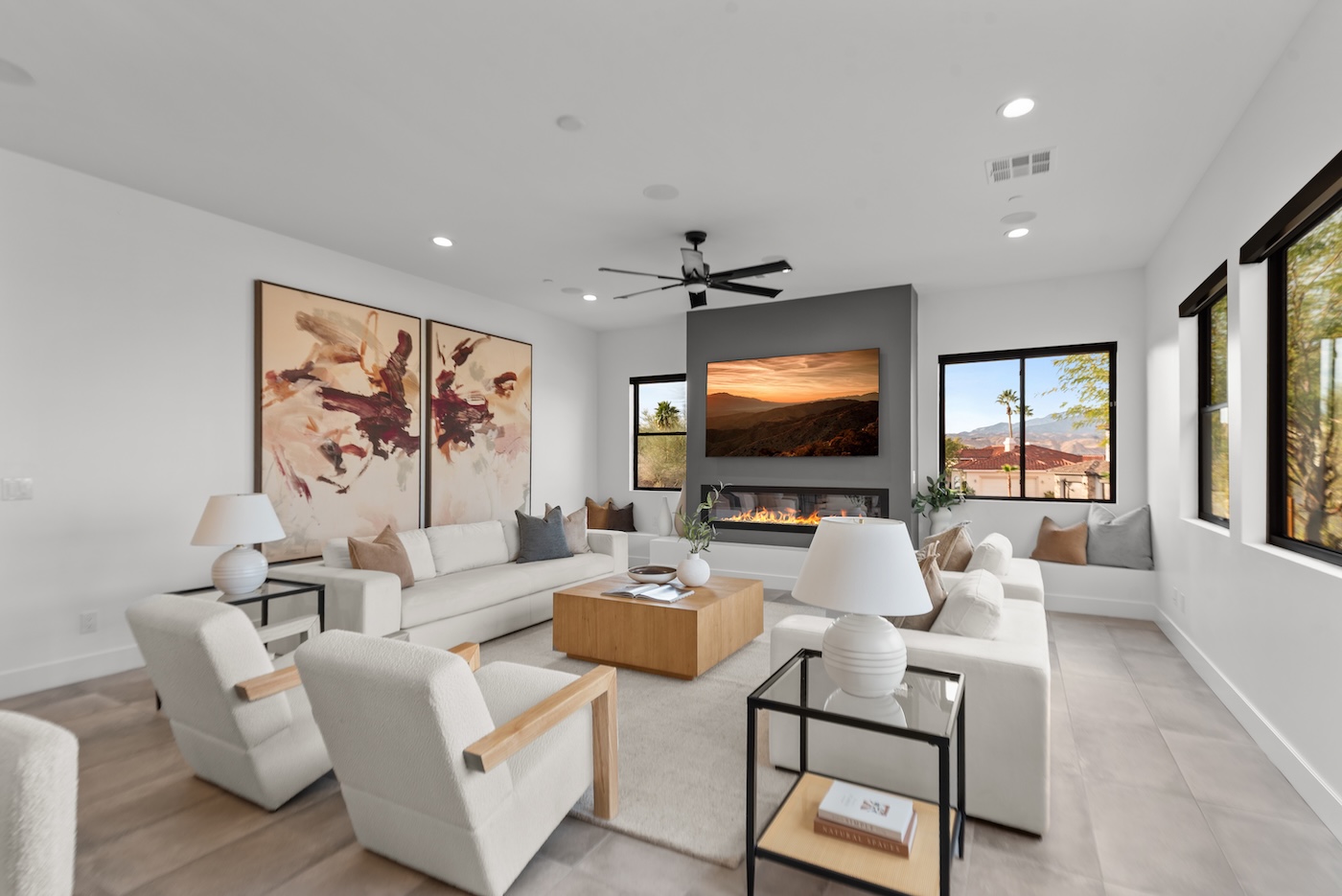
At the luxury level, buyers notice materials immediately. Cheap textures, mass-produced accessories, or lightweight furnishings can undermine the credibility of the entire presentation.
High-end staging should incorporate quality materials and finishes that support the home’s value. Think substantial upholstery, layered textiles, rich wood tones, elevated accessories, and art that feels curated rather than generic. The inventory should reinforce the listing price, not quietly argue against it.
5. Optimize for Photography
Luxury staging must perform in person, but it also has to perform on camera.
Every decision should consider how the space photographs. Sight lines, focal points, negative space, natural light, visual depth, and furniture placement all affect how the home reads online. A beautifully staged room that does not photograph well misses one of its biggest opportunities to create demand.
In luxury staging Las Vegas, the photo gallery is often the first showing.
Why $2M+ Homes Linger Without Staging
When high-end homes linger on the market, presentation is often part of the problem.
Without staging, a luxury property can feel too large, too cold, or too difficult to interpret. Buyers may struggle to understand scale, function, or how the home is meant to live. Even beautiful architecture can fall flat when rooms feel vacant, disconnected, or visually unfinished.
The financial cost of that delay can be significant. A $2 million home may carry substantial monthly holding costs when you factor in mortgage payments, taxes, insurance, utilities, and upkeep. Add the risk of price reductions, and the cost of not staging can quickly exceed the investment in preparing the home correctly from the start.
At the luxury level, every extra month on market can erode negotiating power. Sellers are not just losing time. They may be losing momentum, leverage, and final sales price.
Luxury Staging Las Vegas: Market Context
Las Vegas has its own luxury market dynamics, and staging should reflect them.
Indoor-outdoor living is a major expectation in high-end properties here. Outdoor entertaining areas, covered patios, view-facing seating, and resort-style moments should be staged with as much intention as the interior.
Views also matter. Whether the home overlooks the Strip, the mountains, a golf course, or dramatic desert terrain, staging should highlight those assets rather than block them.
Desert light is another major factor. In Las Vegas, strong natural light can either elevate a home beautifully or expose every imbalance in the room. Proper staging helps a space feel warm, layered, and inviting under that light rather than washed out or harsh.
Finally, the buyer pool is diverse. Las Vegas luxury attracts local move-up buyers, second-home buyers, relocation clients, investors, and out-of-state purchasers. The staging needs to feel sophisticated and broadly appealing while still honoring the home’s personality.
What to Look for in a Luxury Stager
Not every staging company is equipped to stage a $2 million-plus listing well.
When evaluating a luxury stager, look at the strength of their portfolio in higher price points. Pay attention to the quality and consistency of their inventory. Ask whether they approach each home as a custom design project or rely on standard packages that are simply scaled up.
You should also look for proven results, a strong visual brand, and a clear understanding of how staging supports marketing, photography, and buyer psychology. According to the National Association of Realtors, 63% of seller’s agents cite design quality as the most important factor when choosing a staging company — ranking above price.
Luxury staging is not just furniture placement. It is strategic presentation.
Final Thoughts
A luxury home should never feel like it is waiting for someone to imagine its potential. It should feel complete the moment a buyer sees it.
At the $2 million level and above, staging is not about decorating. It is about helping the property meet the market with confidence. It is about aligning presentation with price, architecture, and buyer expectations so the home can compete at the level it deserves.
In a market like Las Vegas, where luxury buyers have options and first impressions matter immensely, luxury staging Las Vegas professionals can be the difference between a home that lingers and a home that moves.
Call Scott at 702-848-3750 or request a free estimate online to discuss a staging strategy for your luxury Las Vegas listing.