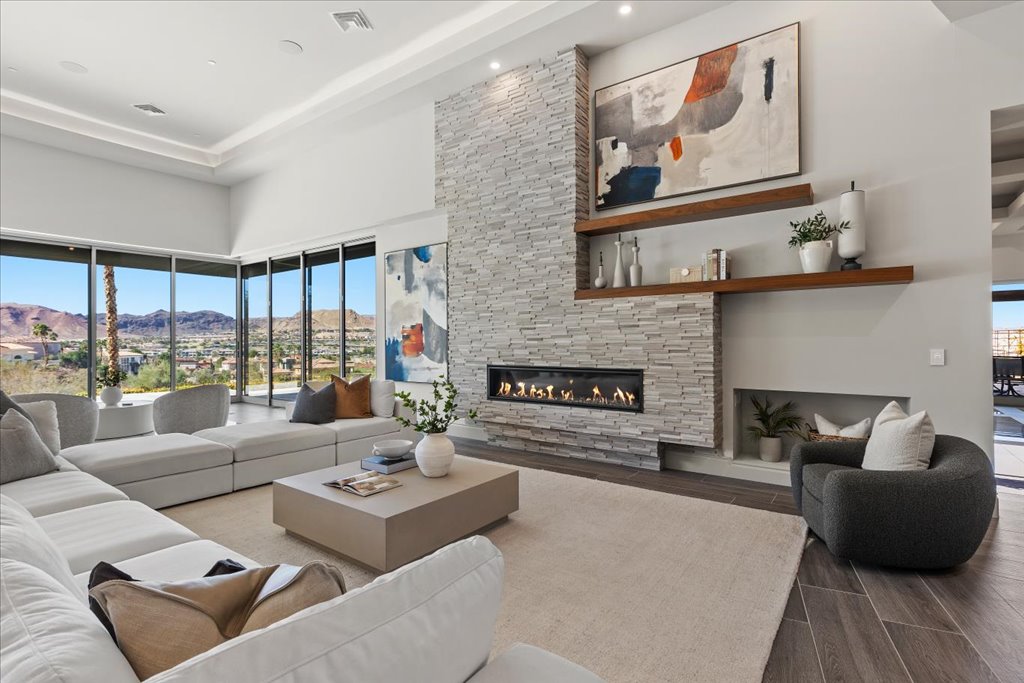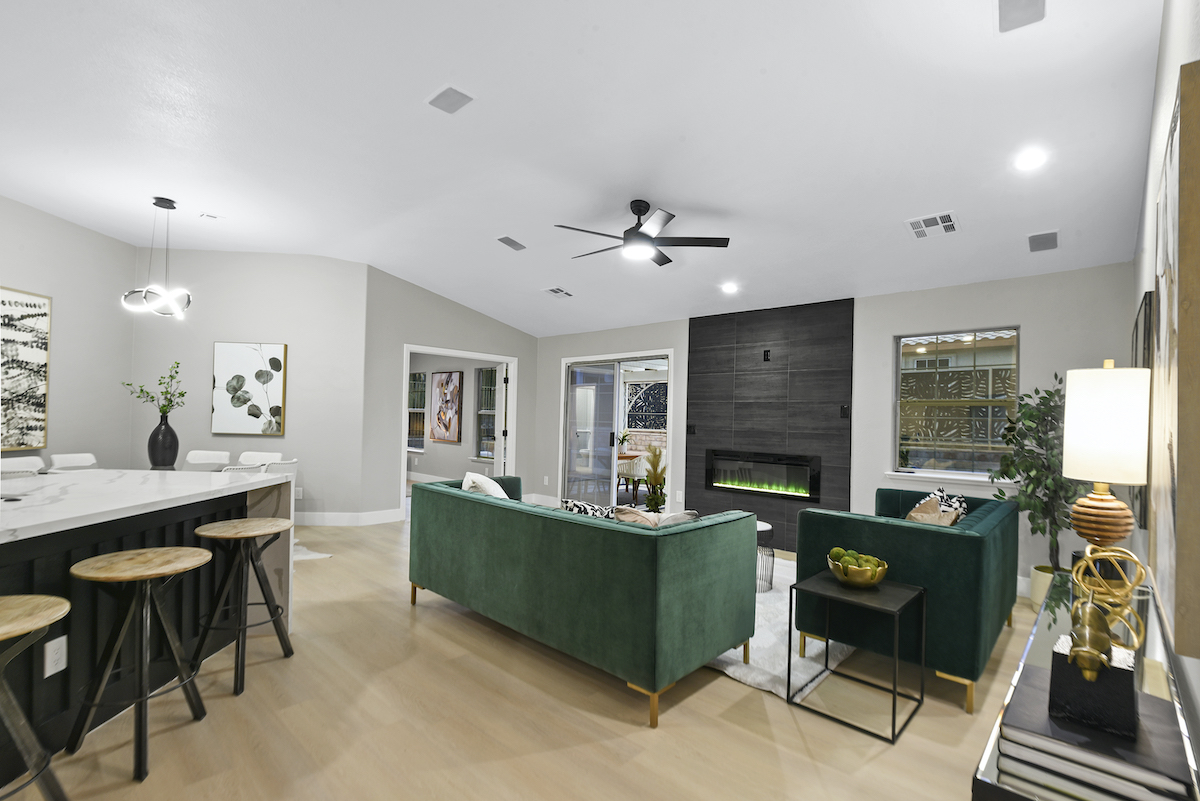
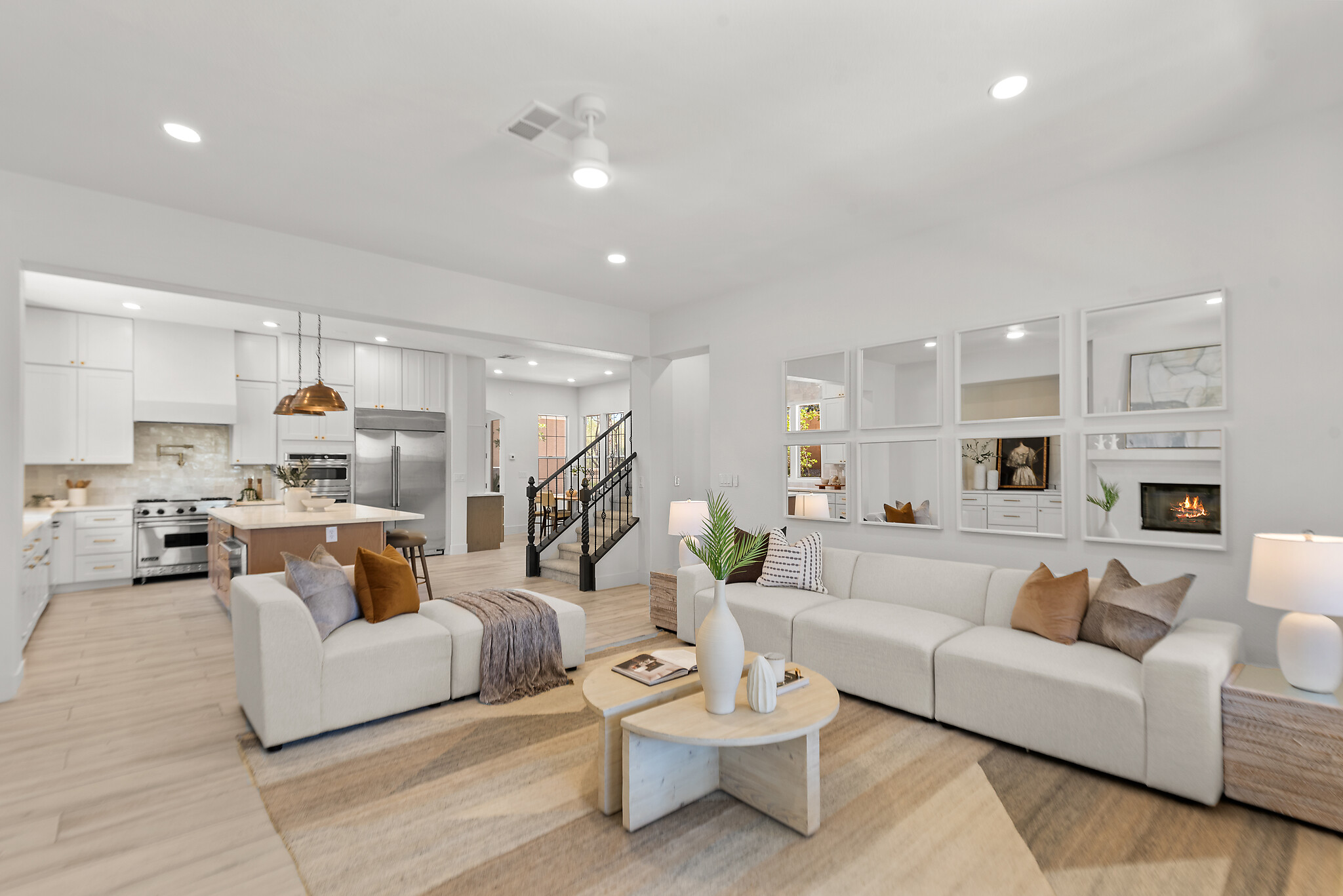
Every home staging proposal has a price.
Very few are pricing the same service.
That’s why comparing home staging quotes in Las Vegas is far more complicated than comparing three numbers on a page. Two proposals may appear similar, yet differ dramatically in the quality of inventory, the expertise behind the design, the installation process, the service term, and even the level of risk transferred to the homeowner.
Before choosing the lowest quote, it’s worth understanding what you’re actually buying.
The Comparison Trap When Reviewing Home Staging Quotes
The most common mistake listing agents and sellers make when comparing home staging quotes in Las Vegas is assuming every proposal represents the same service.
It doesn’t.
A staging proposal isn’t simply furniture rental. It’s a bundled professional service that combines design, logistics, inventory, labor, marketing strategy, and project management into a single number. Two companies may quote the same rooms while delivering entirely different buyer experiences.
A staging quote reflects far more than furniture. It reflects:
- The quality and condition of the inventory
- The experience of the trained staging designer creating the plan
- The professionalism of the installation team
- The logistics involved in delivery and removal
- The length of the service period
- The company’s insurance, maintenance, and operational standards
None of those differences are obvious by looking at the bottom-line price.
Not Every Staging Company Is Selling the Same Product
From the outside, home staging can appear to be little more than furniture rental.
In reality, companies operate at very different levels of the market.
Some invest heavily in designer-curated inventory, full-time trained staff, continuing education, professional logistics systems, and a deep understanding of buyer psychology. Others compete primarily on price by reducing inventory quality, relying on temporary labor, limiting design time, or minimizing overhead.
Neither approach is inherently right or wrong.
But they shouldn’t be evaluated as though they’re providing identical services.
Understanding that distinction is the first step toward making an informed decision.

What a Home Staging Quote Actually Includes (And What It Often Doesn’t)
When reviewing any staging proposal, evaluate it across these five areas.
1. Furniture and Inventory
The largest variable in any staging quote is the furniture itself.
A company investing in curated, design-forward inventory that’s regularly refreshed for today’s buyers will naturally price differently than one relying on older furnishings that remain in circulation for years.
Ask: When was your inventory last updated? Can I see examples of homes you’ve staged in this price range?
2. Delivery, Installation, and Removal
Professional staging involves much more than placing furniture.
It includes transportation, installation, styling, quality control, and complete removal once the staging period ends.
Some lower-priced proposals exclude removal or charge additional fees after the home sells.
Ask: Does this quote include delivery, complete installation, removal, and all associated labor?
3. Design Expertise
Great staging begins long before installation day.
An experienced trained staging designer develops a room-by-room strategy that highlights the home’s strongest architectural features while helping buyers emotionally connect with the property.
That planning process is one of the most valuable parts of professional staging—and one of the easiest to overlook when comparing quotes.
Ask: Who designs the staging plan, and how is it customized for this specific home?
4. Inventory Maintenance
Furniture isn’t a one-time investment.
Professional staging companies continually repair, replace, steam-clean, repaint, reupholster, and retire inventory to ensure every listing presents at its best.
Those ongoing investments rarely appear as line items on a proposal, yet buyers notice the difference immediately.
Clean, current, well-maintained furnishings elevate perceived value. Worn, dated, or damaged pieces can unintentionally lower it.
Ask: How do you maintain and refresh your inventory?
5. Insurance and Liability
Professionally staged homes often contain tens of thousands of dollars’ worth of furniture, artwork, lighting, rugs, and accessories. Across multiple projects, established staging companies often own and manage hundreds of thousands of dollars in inventory.
A reputable staging company carries insurance protecting that inventory throughout the staging period. Some lower-cost providers shift much of that responsibility to the homeowner.
Some staging companies also offer optional supplemental coverage for the homeowner, providing an additional layer of protection if a loss isn’t fully covered under the homeowner’s insurance policy. It’s worth asking whether that option is available.
Understanding who assumes that risk is an important part of evaluating any proposal.
Ask: Does your company carry insurance covering staged inventory throughout the staging period, and are there any additional protection options available for the homeowner?
Five Questions That Reveal the Real Value
When comparing home staging quotes in Las Vegas, these five questions reveal far more than the final price.
1. What does your work actually look like at this price point?
Ask to see completed projects similar to your listing.
Luxury homes deserve a different presentation than entry-level properties. A company using essentially the same inventory regardless of price point may not be tailoring its staging to the buyer.
2. Who installs the staging?
Installation quality matters just as much as furniture quality.
Even beautiful inventory loses its impact if artwork hangs crooked, rugs are undersized, furniture is poorly scaled, or accessories appear randomly placed.
Ask who will actually be inside the home.
Professionally trained employees working under standardized systems typically deliver far more consistent results than rotating contract or day-labor crews.
3. What is your service term?
A 30-day service period and a 60-day service period can appear identical on day one.
The difference becomes important if the property hasn’t sold.
Understand renewal pricing, notice requirements, and whether the agreement automatically renews before signing.
4. How do you determine what gets staged?
Some companies stage rooms because they’re included in a package.
Others evaluate each property’s layout, target buyer, architecture, and likely buyer objections before deciding where staging will have the greatest impact.
That strategic approach often delivers stronger results than simply filling rooms with furniture.
5. How is removal handled once the home sells?
Removal is one of the most overlooked aspects of staging.
Ask how much notice is required, how scheduling works after the home goes under contract, and whether expedited removals incur additional fees.
A clear process usually reflects a well-managed operation.
Why the Lowest Quote Often Costs More
The market has conditioned many sellers to compare the cost of staging.
Experienced listing agents compare the cost of a home failing to sell quickly.
Those are two very different conversations.
Saving $1,500 on staging can feel significant—until the property sits on the market another month, requires multiple price reductions, or loses momentum with buyers.
Professional staging isn’t purchased because it’s inexpensive.
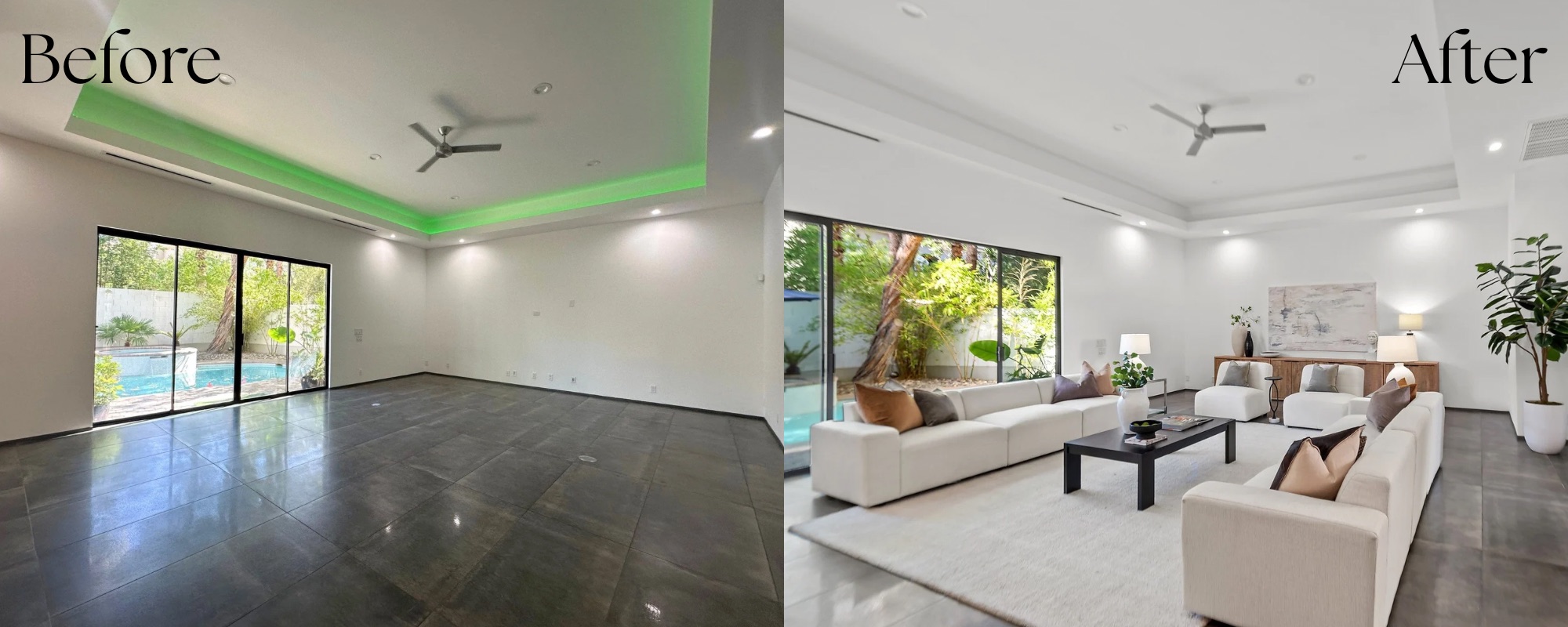
It’s purchased because the financial consequences of weak presentation are often far greater than the investment required to present the home well from the beginning.
The real cost of leaving a home unstaged—measured in carrying costs, price reductions, and extended days on market—is well documented. The same principle applies when comparing staging companies. A proposal that saves money upfront but delivers a weaker presentation can ultimately cost far more if the home lingers on the market.
According to the National Association of Realtors’ 2023 Profile of Home Staging, 81% of buyers’ agents reported that staging made it easier for buyers to visualize the property as their future home.
That emotional connection is what staging is designed to create.
The quality of the presentation directly influences how effectively it happens.
Comparing Home Staging Quotes in Las Vegas: Frequently Asked Questions
Why do home staging quotes vary so much?
Because they often include entirely different levels of service.
Inventory quality, design expertise, labor, insurance, logistics, maintenance, and service terms all influence pricing—even though those differences rarely appear in the headline number.
What is a typical price for professional home staging in Las Vegas?
Most professionally staged homes fall somewhere between the mid-$2,000s and the low five figures for the initial service period, depending on the home’s size, number of rooms staged, price point, and level of presentation required.
Should I tell staging companies what other quotes I received?
Generally, no.
Instead of encouraging companies to compete on price, evaluate each proposal independently using the questions in this guide. Doing so creates a far more meaningful comparison of value than simply comparing cost.
How important is furniture quality?
It’s one of the biggest factors influencing buyer perception.
Current, well-maintained inventory photographs better, supports the home’s price point, and creates a stronger emotional response during showings.
Always review representative projects—not just a company’s highlight reel.
Is insurance really something I should ask about?
Absolutely.
A single staged home can contain tens of thousands of dollars in furniture, artwork, lighting, rugs, and accessories, while many established staging companies manage hundreds of thousands of dollars in inventory across multiple projects.
Understanding who is responsible if damage occurs protects both the seller and the listing agent from unexpected surprises. Asking about insurance coverage—and whether supplemental protection is available—is a simple question that can reveal a great deal about a company’s professionalism and preparedness.
Final Thoughts
When buyers walk through the front door, they don’t know what your staging proposal cost.
They only know how the home made them feel.
That’s why the goal was never to buy the least expensive staging.
The goal is to create the strongest first impression the home will ever have.
If you’re comparing proposals for an upcoming listing, take the time to look beyond the number. Evaluate the inventory, the design strategy, the installation process, and the professionalism behind the service.
Those differences don’t just affect the staging experience.
They influence the listing photos, buyer perception, time on market, and ultimately the outcome of the sale.
Ready to see what full-service staging looks like at your listing’s price point? Call Scott at 702-848-3750 or request a free estimate online and discover how thoughtful presentation can help your next listing make its strongest first impression.