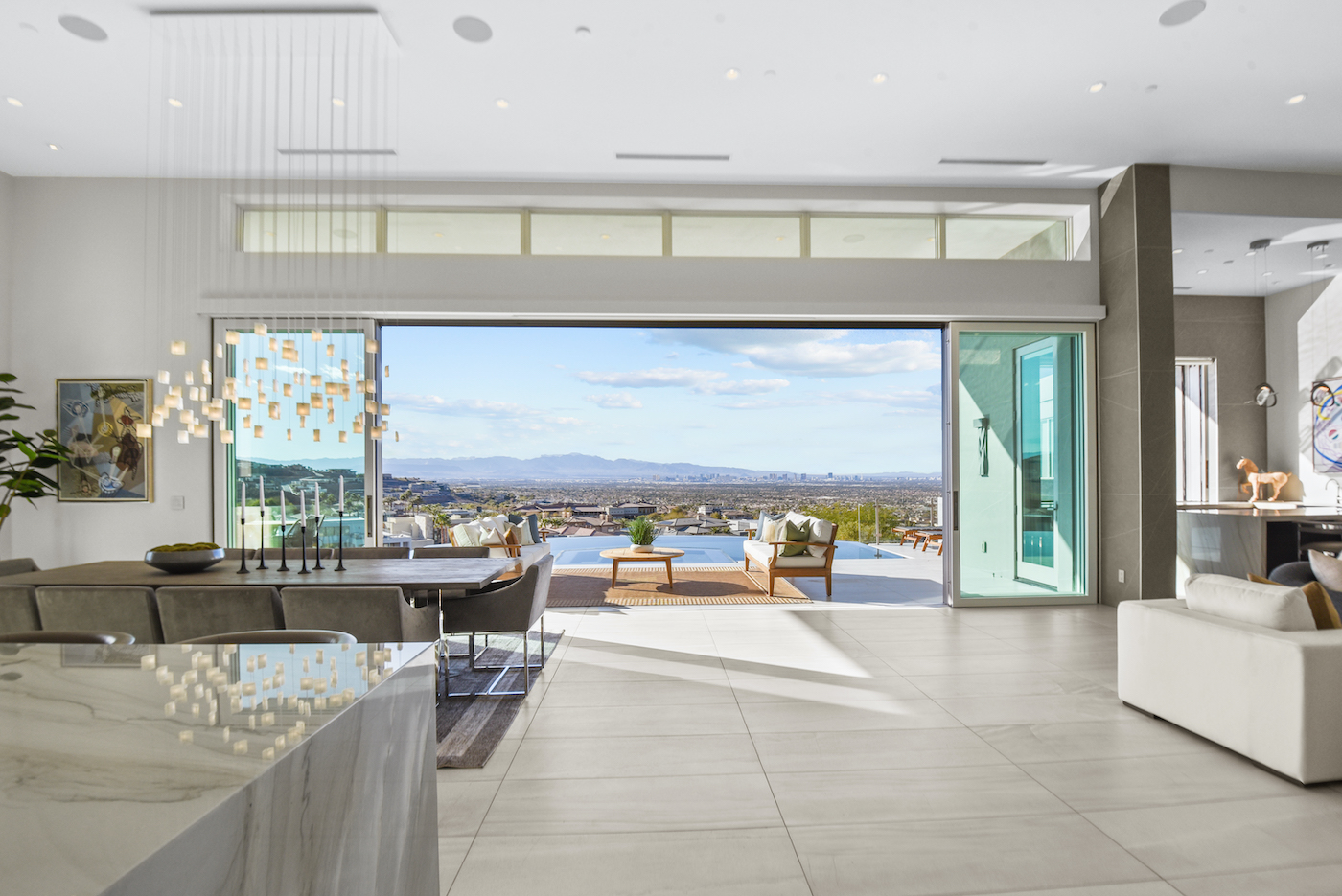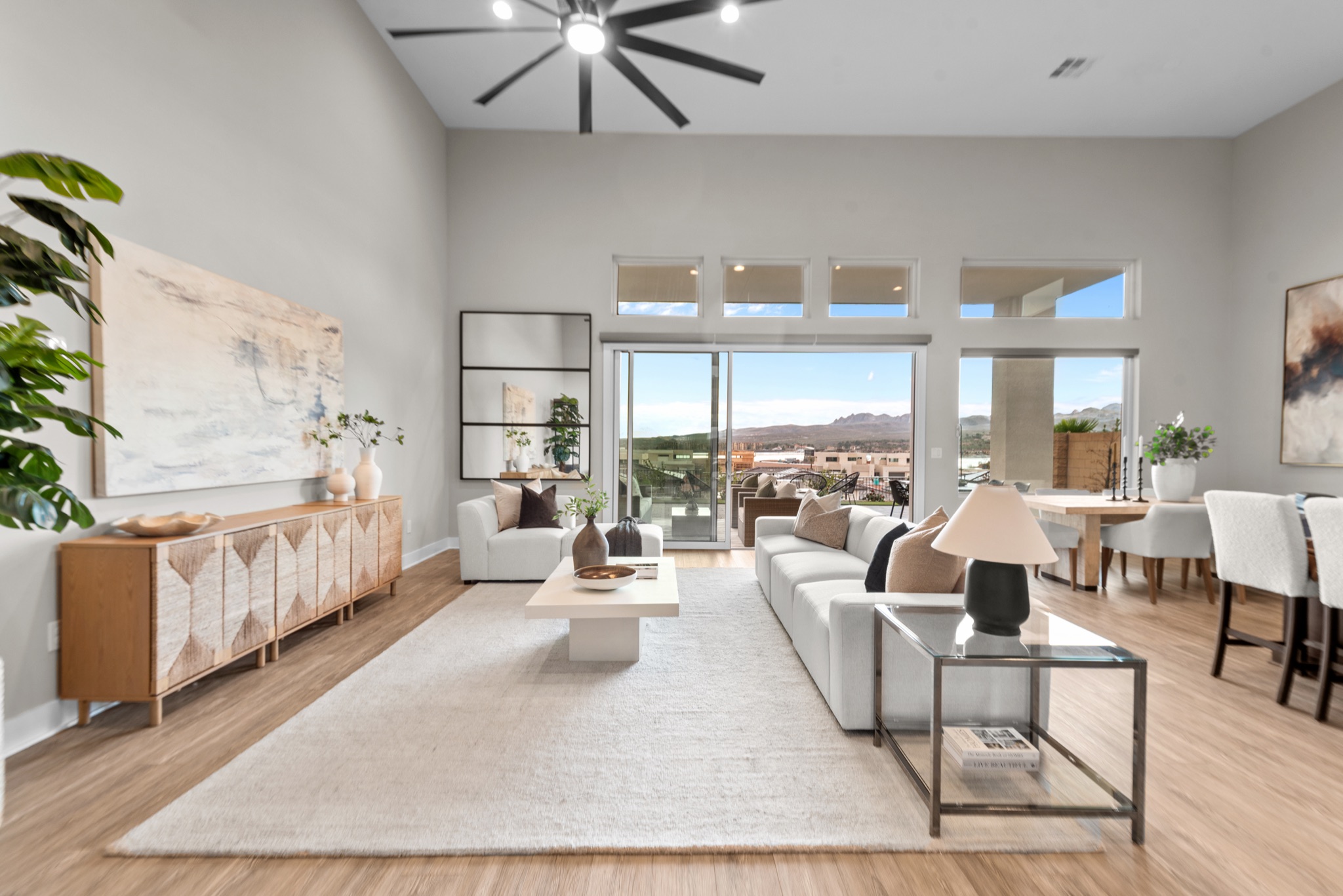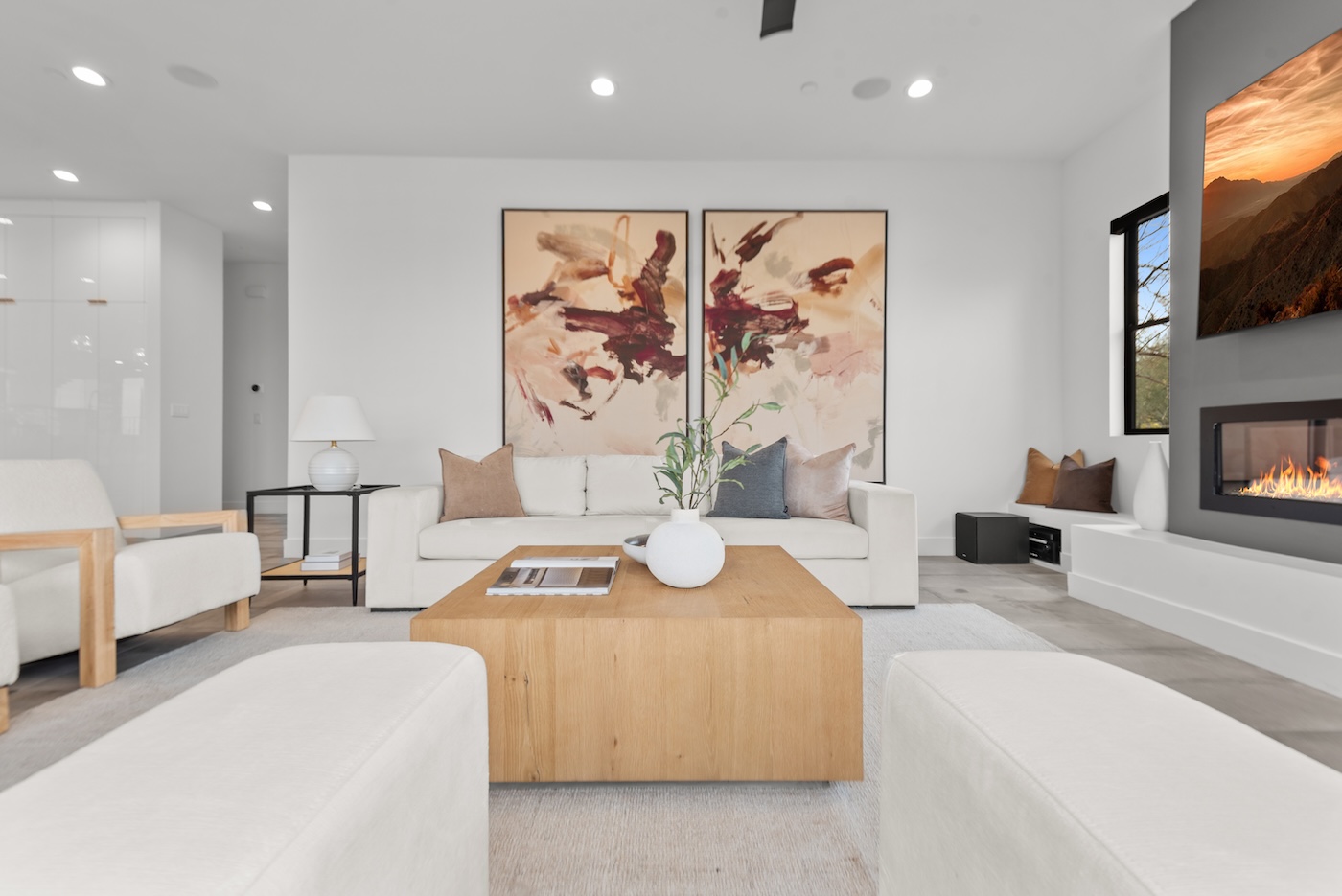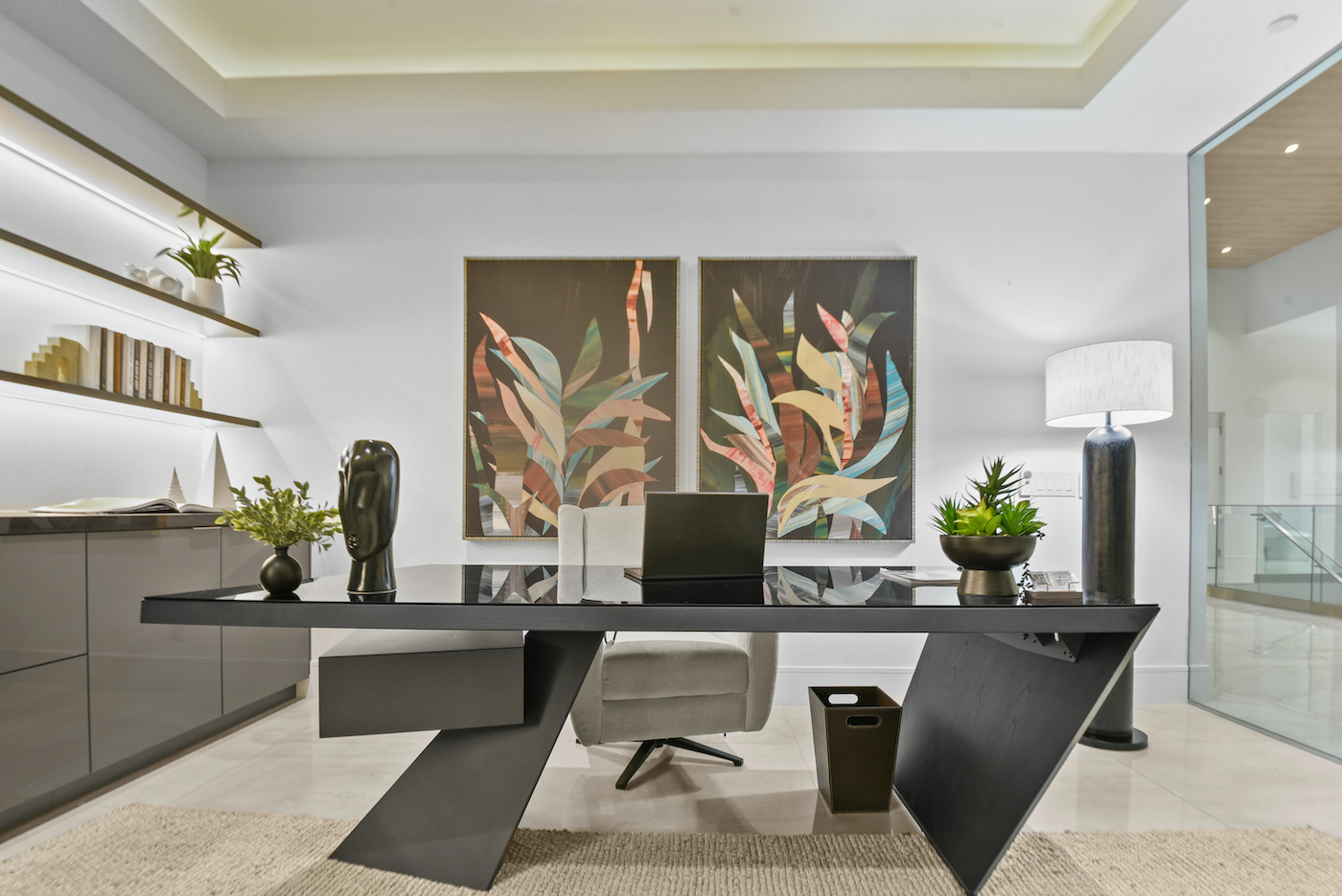
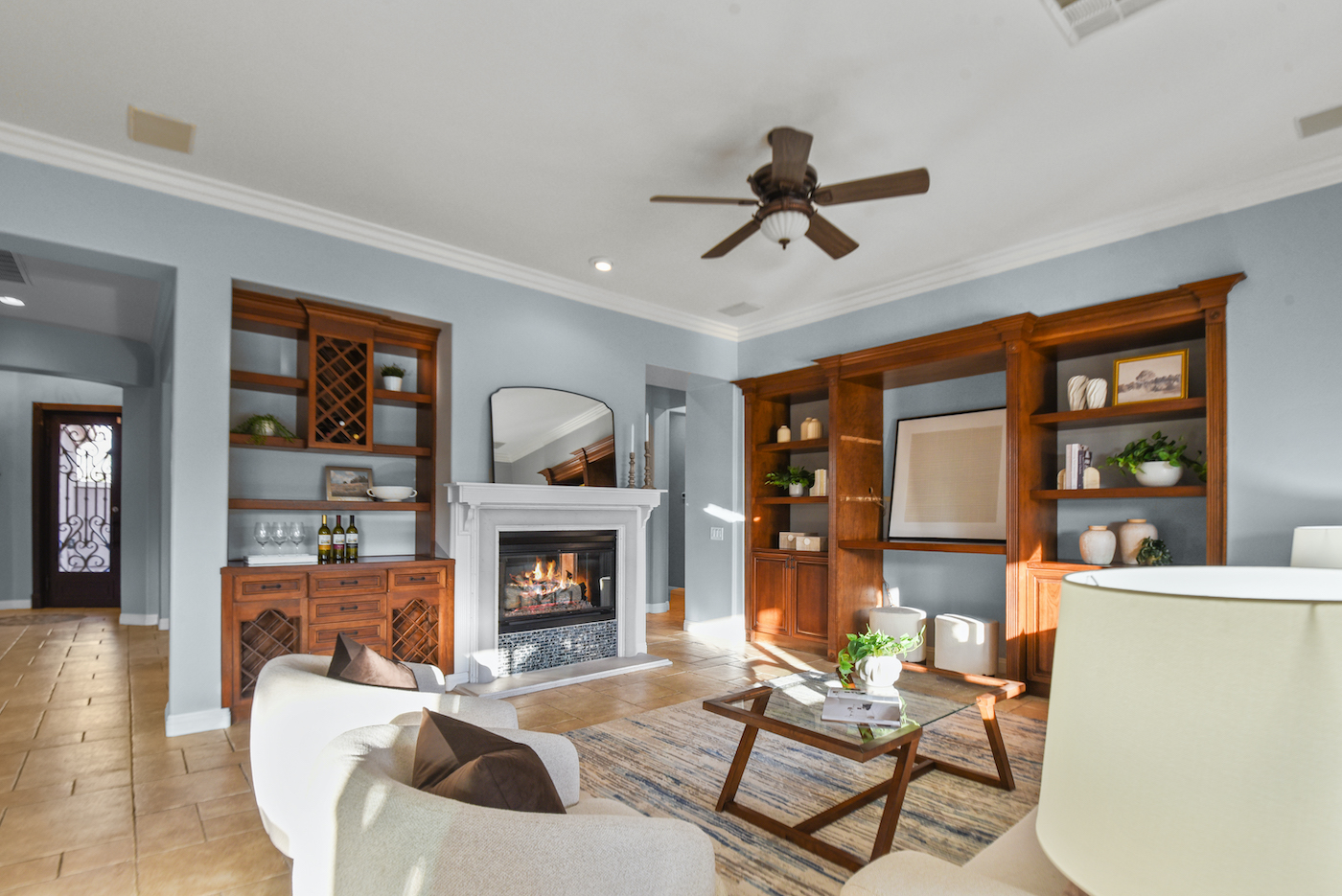
“Isn’t staging just interior design for selling?” We hear this question regularly from sellers, realtors, and even design professionals. While home staging and interior design share some surface similarities—both involve furniture, accessories, and creating attractive spaces—they are fundamentally different professions with different goals, methods, and outcomes.
Understanding the distinction helps you know which service you need and what to expect from each.
Two Different Professions With Different Goals
Interior Design: Creating Your Space
Interior design is the art and science of enhancing the interior of a building to achieve a healthier and more aesthetically pleasing environment for the people using the space.
Key characteristics:
- Client-centered — The designer works to understand the client’s lifestyle, preferences, and functional needs. The result reflects the client’s personality.
- Long-term focus — Designs serve the client for years. Decisions consider durability and how needs might evolve.
- Personal expression — Bold choices, unique pieces, and distinctive style are celebrated.
- Comprehensive scope — May include space planning, architectural changes, custom millwork, and lighting design.
Home Staging: Preparing to Sell
Home staging is the strategic preparation of a property for sale in the real estate marketplace.
Key characteristics:
- Buyer-centered — The stager works to appeal to the broadest possible range of potential buyers.
- Short-term focus — Staging exists only for the listing period—typically 30-90 days.
- Broad appeal — Neutral, sophisticated choices that don’t alienate any buyer segment.
- Focused scope — Uses existing architecture and works within current conditions.
Purpose: Selling vs. Living
The Staging Goal
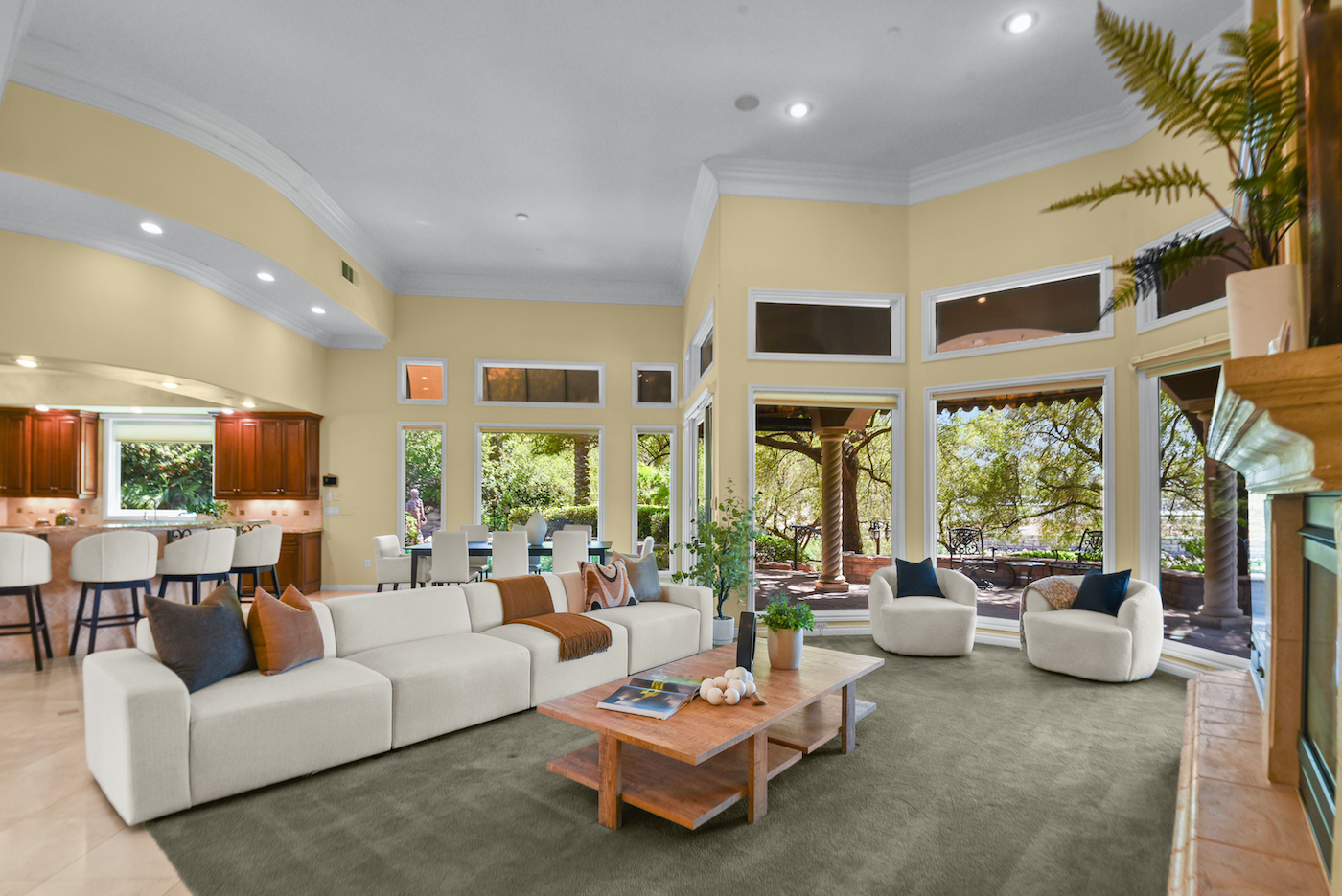
When we stage a home, our single objective is to help it sell—faster and for more money. Every decision flows from this goal:
- Will this furniture arrangement photograph well?
- Does this color palette appeal broadly?
- Will buyers be able to envision their life here?
- Are we highlighting the home’s selling features?
- Are we minimizing attention to any drawbacks?
Staging is marketing. Beautiful, strategic marketing that uses furniture and accessories instead of words—but marketing nonetheless.
The Design Goal
Interior design serves the people who will live in the space. The designer asks:
- How does the client actually use this room?
- What does the client’s daily routine look like?
- Where will they work, relax, entertain?
- What colors and styles bring them joy?
- How can we solve functional problems?
Design is about creating a home. A personalized, functional, expressive home for a specific person or family.
Why This Distinction Matters
A beautifully designed home may not stage well. Personal collections, bold color choices, and furniture arranged for actual living can feel cluttered or polarizing to potential buyers.
Conversely, a perfectly staged home might feel sterile to actually live in. The neutral palette that appeals broadly may bore someone living there daily.
Neither approach is wrong—they’re simply solving different problems.
Approach: Broad Appeal vs. Personal Expression
The Staging Approach
Professional stagers think like marketers and psychologists:
Who is the likely buyer? A family home stages differently than a retiree downsizer. A luxury property requires different presentation than an entry-level condo.
What does photography need? We consider camera angles, lighting, and the visual flow of listing photos. Staging must work for the lens as well as the eye.
What might create objections? Bold choices that you might love could make buyers hesitate. We minimize anything that might give a buyer reason to say “no.”
What creates emotional connection? Strategic lifestyle cues—a reading nook, a set table, a cozy outdoor seating area—help buyers imagine living here.
The Design Approach
Interior designers think like artists and problem-solvers:
What does this client love? Personal taste drives decisions. If the client loves deep jewel tones, that’s the palette.
How will this space be used? Function follows form. A home office needs task lighting and storage.
What tells this client’s story? The most successful designed spaces reflect their inhabitants through art, collections, and personal objects.
What will bring joy daily? Design decisions consider long-term satisfaction, not just first impression.
Timeline and Investment Comparison
Staging Investment
| Factor | Typical Range |
|---|---|
| Timeline | 30-45 day terms |
| Process | Days to weeks from consultation to install |
| Investment | $3,500-$15,000+ depending on size |
| Furniture | Rented from stager’s inventory |
| Outcome | Property sells; furniture removed |
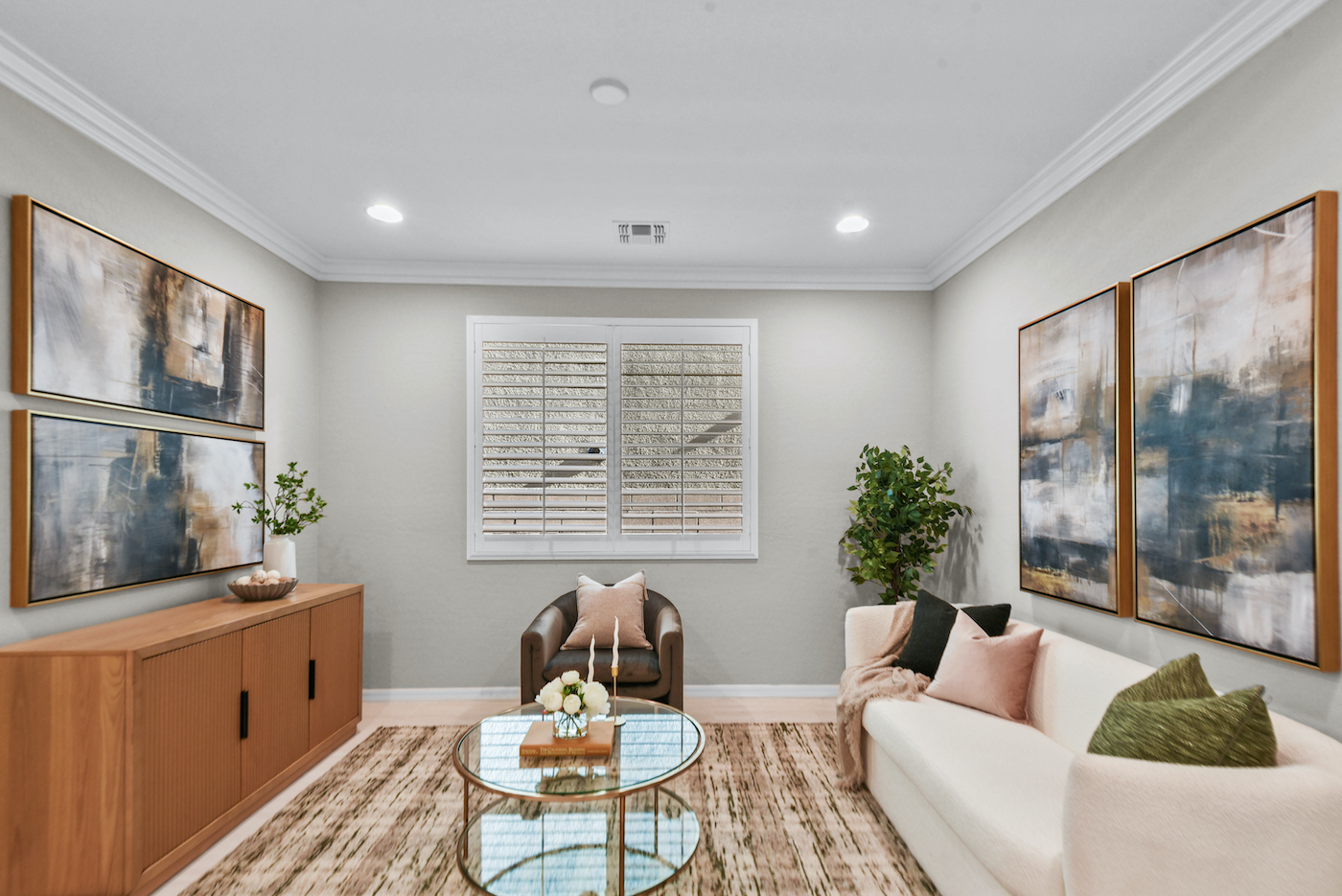
Staging is a temporary investment with a specific return: faster sale, higher price.
Design Investment
| Factor | Typical Range |
|---|---|
| Timeline | Months to years for comprehensive projects |
| Process | Discovery, design development, procurement, installation |
| Investment | $10,000-$100,000+ depending on scope |
| Furniture | Purchased for client ownership |
| Outcome | Completed space for client to enjoy long-term |
Design is a permanent investment in living environment quality.
Why Some People Confuse Them
Both professions:
- Work with furniture and accessories
- Create visually appealing spaces
- Consider color, scale, and arrangement
- Require aesthetic sensibility
The confusion is understandable. But the purpose, process, and outcome are fundamentally different.
When You Need Which Service
5 Times You Need Staging
- You’re selling your home
- You want to maximize sale price and minimize time on market
- The property is vacant or needs presentation help
- You’re a real estate investor preparing a flip for sale
- Your listing has been sitting and needs refreshed presentation
5 Times You Need Interior Design
- You’re moving into a new home and want to furnish it
- You’re renovating and need space planning
- Your current home no longer reflects your style
- You want professional guidance on purchases you’ll live with for years
- You’re building custom and need comprehensive design services
You Might Need Both When:
- You’re selling a home and then buying/building another
- You’re an investor who stages for sale but designs personal residence
- You appreciate the difference and value both at appropriate times
Our Background in Both
At Utopia Home Staging, our lead designer Angelic Ferguson holds credentials from the New York Institute of Art and Design in interior design. This background informs our staging work—we understand design principles, spatial relationships, and aesthetic harmony.
But when we stage your home, we’re applying that knowledge specifically to the goal of selling. We’re thinking about buyers, photography, and market appeal. We’re creating marketing, not designing a home.
Understanding this distinction helps you get the right service for your situation.
Ready to Stage Your Property?
If you’re preparing to sell, professional staging is the service you need. We’ll apply design expertise toward the specific goal of maximizing your property’s sale potential.
Call Scott at 702-848-3750 or request a free estimate online to discuss staging for your Las Vegas property.