The agents who list and sell Las Vegas homes have a unique perspective on staging. They see what works, what doesn’t, and how buyer expectations have evolved. They have the conversations with sellers about presentation investment, and they witness firsthand the difference staging makes in days on market and final sale price.
We work with hundreds of Las Vegas listing agents annually. Here’s what they’re telling us about staging in 2026—and what it means for sellers considering whether to invest in presentation.
The Agent Perspective on Staging
From Nice-to-Have to Essential
Five years ago, many Las Vegas agents viewed staging as a nice-to-have for luxury properties. Today, the agents we work with describe it as essential across most price points.
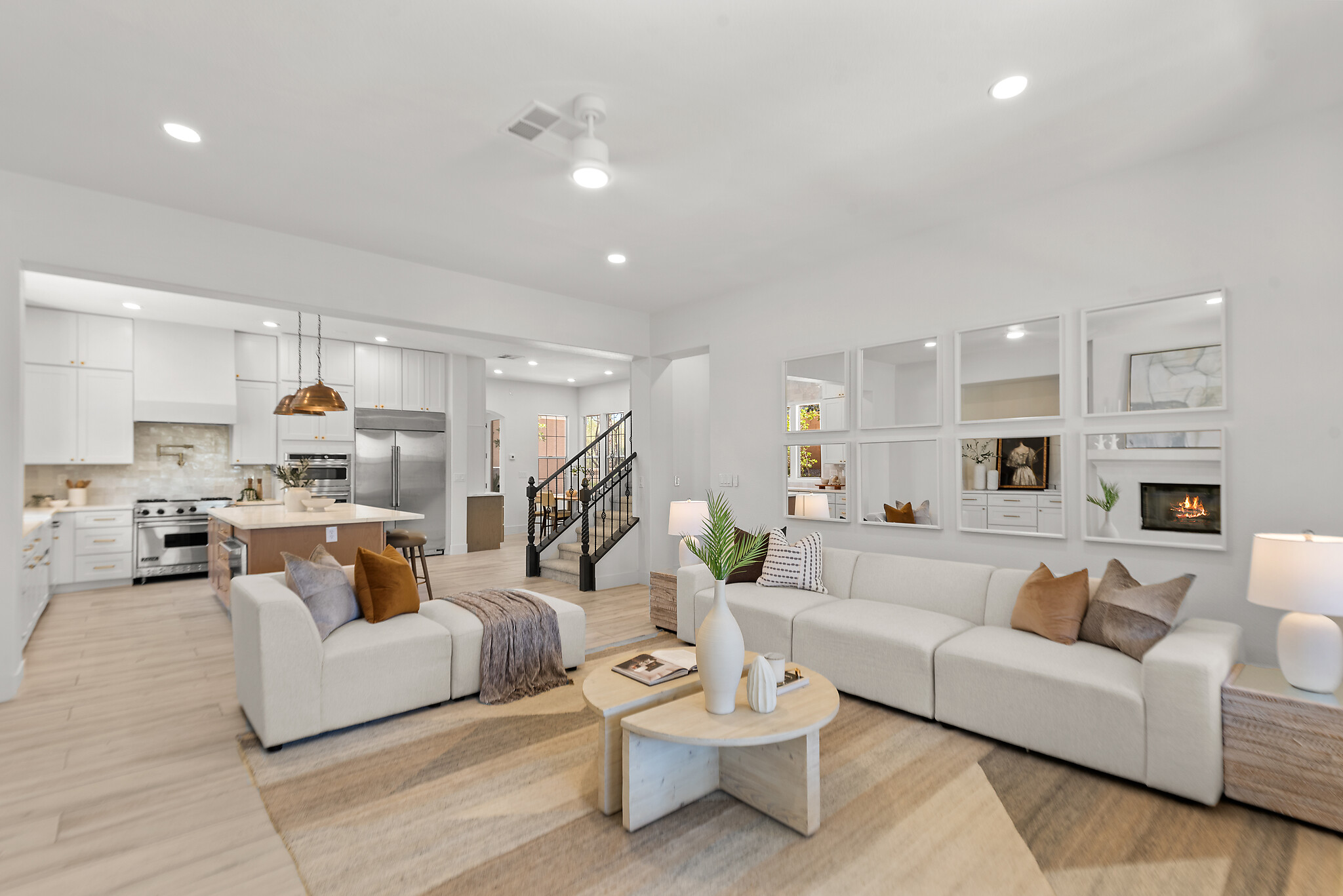
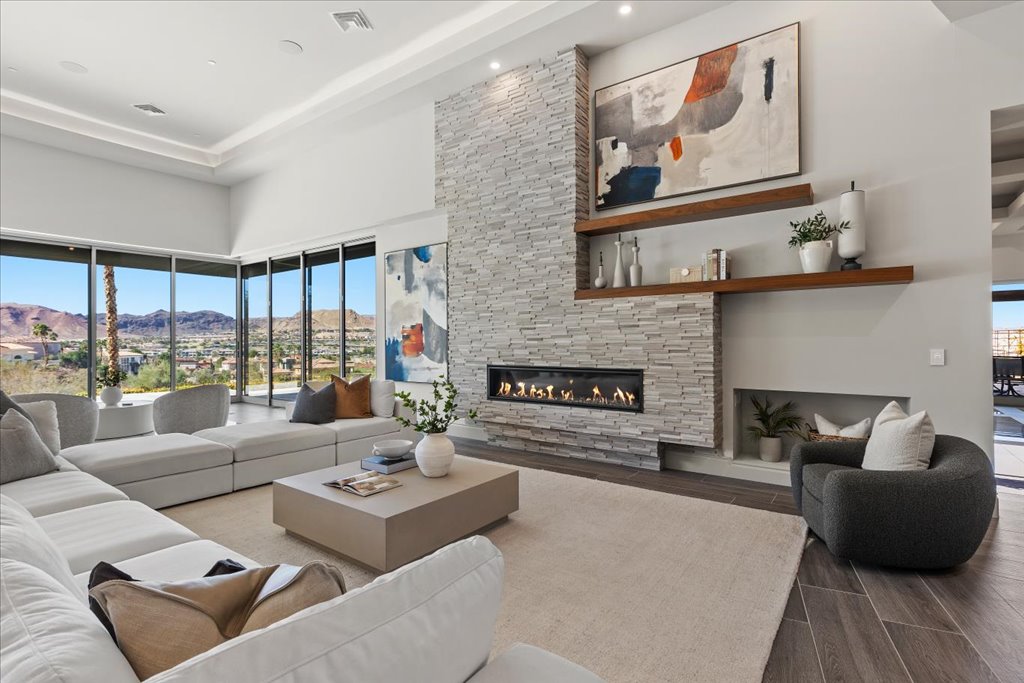
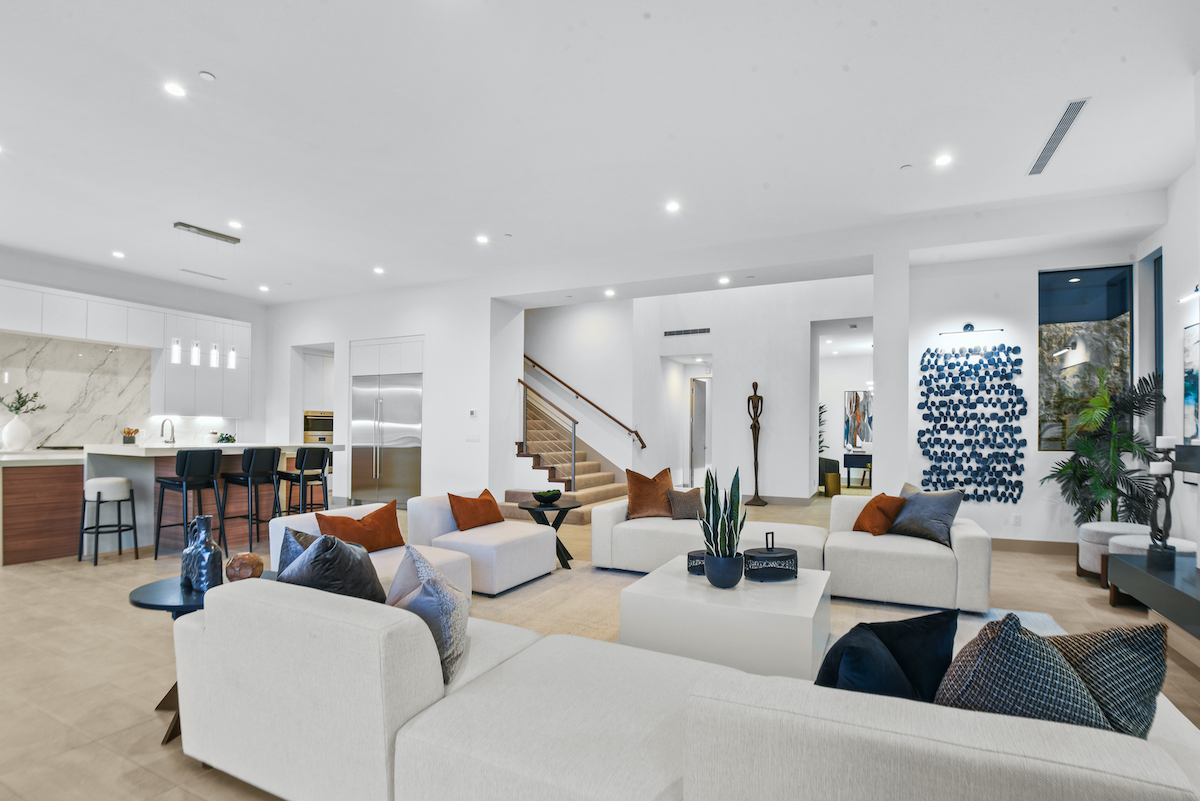
This shift reflects several converging factors. Buyers are more sophisticated and better educated about what “market-ready” looks like, which has raised expectations. Because more than 95% of buyers begin their search online, agents understand that listing photos are the critical first filter—homes that don’t photograph well simply don’t get shown. Competitive inventory also plays a role; in a market where buyers have choices, presentation is what differentiates one listing from another. Finally, increased access to data has reinforced agent recommendations. Days-on-market comparisons and sale-price differences clearly demonstrate staging ROI.
The Agent’s Dilemma
Listing agents walk a delicate line. They want to provide honest guidance, but they also want to win the listing. Pushing too hard on staging investment can cost them the business, while not pushing hard enough can lead to longer market times and frustrated sellers.
The agents we work with have learned how to frame staging as a strategic investment rather than an added expense. They rely on data, real-world examples, and clear cost-benefit explanations to support their recommendations.
Three Things That Have Changed in 2026
Price Point Expansion
Agents now recommend staging at lower price points than in the past. While staging was once primarily associated with luxury listings, agents increasingly see value at $500,000, $600,000, and even $400,000 price points. As the market has grown more competitive, differentiation matters at every level.

Quality Expectations Have Risen
Agents consistently report that “good enough” staging no longer exists. Budget staging with dated or worn furniture can actually harm a listing by suggesting the property isn’t worth proper investment. Many agents say they would rather present an unstaged home than one poorly staged with outdated pieces.
Timeline Awareness
Experienced agents now build staging into the listing timeline from the start. Instead of treating it as a last-minute decision, staging is discussed during the initial listing consultation, with installation time factored into the market-entry strategy.
The Conversations Agents Are Having
With Sellers Who Resist
When sellers push back on staging investment, agents commonly rely on several approaches. They lead with data, showing what happens to unstaged homes in the same price range in terms of days on market, price reductions, and final sale price. They compare costs by pointing out that staging might cost $6,000, while a single price reduction can range from $10,000 to $25,000. They also frame staging competitively, asking sellers whether they want to be the only unstaged home among similar listings. Finally, they address photography realities, explaining that listing photos are the first showing and empty rooms don’t photograph well.
With Sellers Who Are Uncertain
For sellers who are on the fence, agents often recommend starting with a consultation. Bringing in a stager for a professional assessment gives sellers real information and helps them see their home through a buyer’s eyes. This low-commitment step frequently converts uncertainty into confidence.
With Sellers Who Understand
Some sellers already recognize the value of staging. These conversations focus on scope and timing—deciding which rooms to stage, what level of investment makes sense for the property, and when installation should happen relative to photography.
Five Reasons Agents Recommend Staging
Staged homes generate more online interest because strong photos attract clicks, which lead to showings. They also show better in person, as buyers arrive with positive expectations that are reinforced during the walkthrough. Staging attracts more qualified buyers—those who can see themselves living in the space and are more likely to make competitive offers.
Agents also recommend staging because staged homes sell faster, reducing the time spent managing listings, coordinating showings, and calming anxious sellers. Finally, staging protects agent reputation. A listing that sits on the market reflects on the agent, and staging improves outcomes and track records.
What Agents Look for in Staging Partners
Reliability and communication matter as much as design quality. Agents want stagers who show up on time, communicate clearly about timelines, coordinate smoothly with photographers, handle removals efficiently, and respond quickly when issues arise.
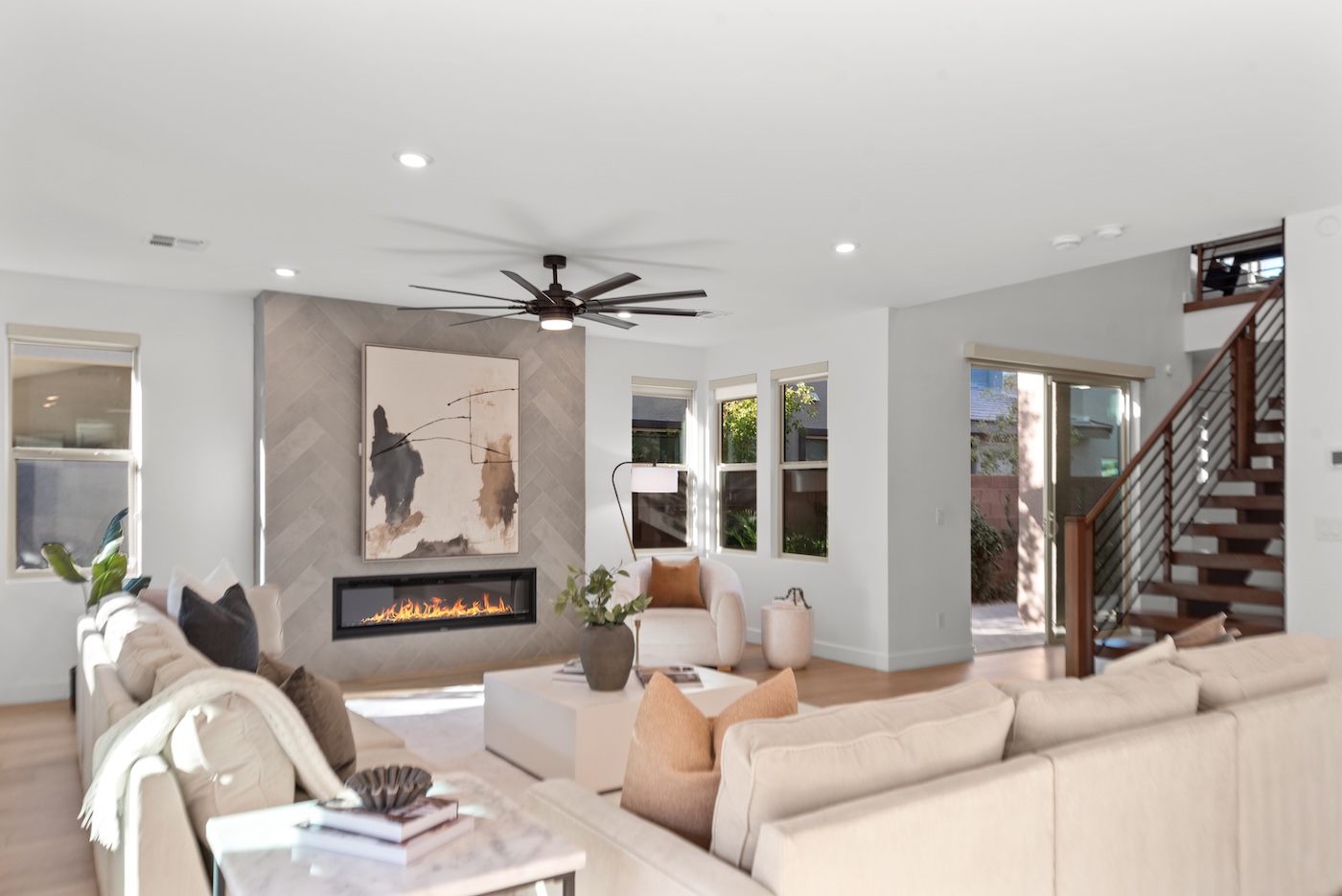
Inventory quality is also critical. Agents look for current, on-trend furniture made with quality materials that photograph well, offer variety for different property types, and include luxury options for high-end listings.
Track record and data are increasingly important. Agents want to know how staged listings perform compared to market averages, including days on market. Stagers who can quantify ROI help agents make stronger cases to sellers.
Above all, agents value a partnership mindset. The best staging relationships feel collaborative, with both parties sharing the same goal of selling the home successfully.
What This Means for Sellers
When your listing agent recommends staging, they’re drawing on real market experience. They’ve seen what works—and what doesn’t. They’ve watched comparable homes perform or underperform based on presentation.
The agents we work with have made staging a standard recommendation because they’ve seen the results firsthand. Their guidance comes from the front lines of Las Vegas real estate.
Call Scott at 702-848-3750 or request a free estimate online to discuss how we partner with Las Vegas listing agents to deliver staging that performs.