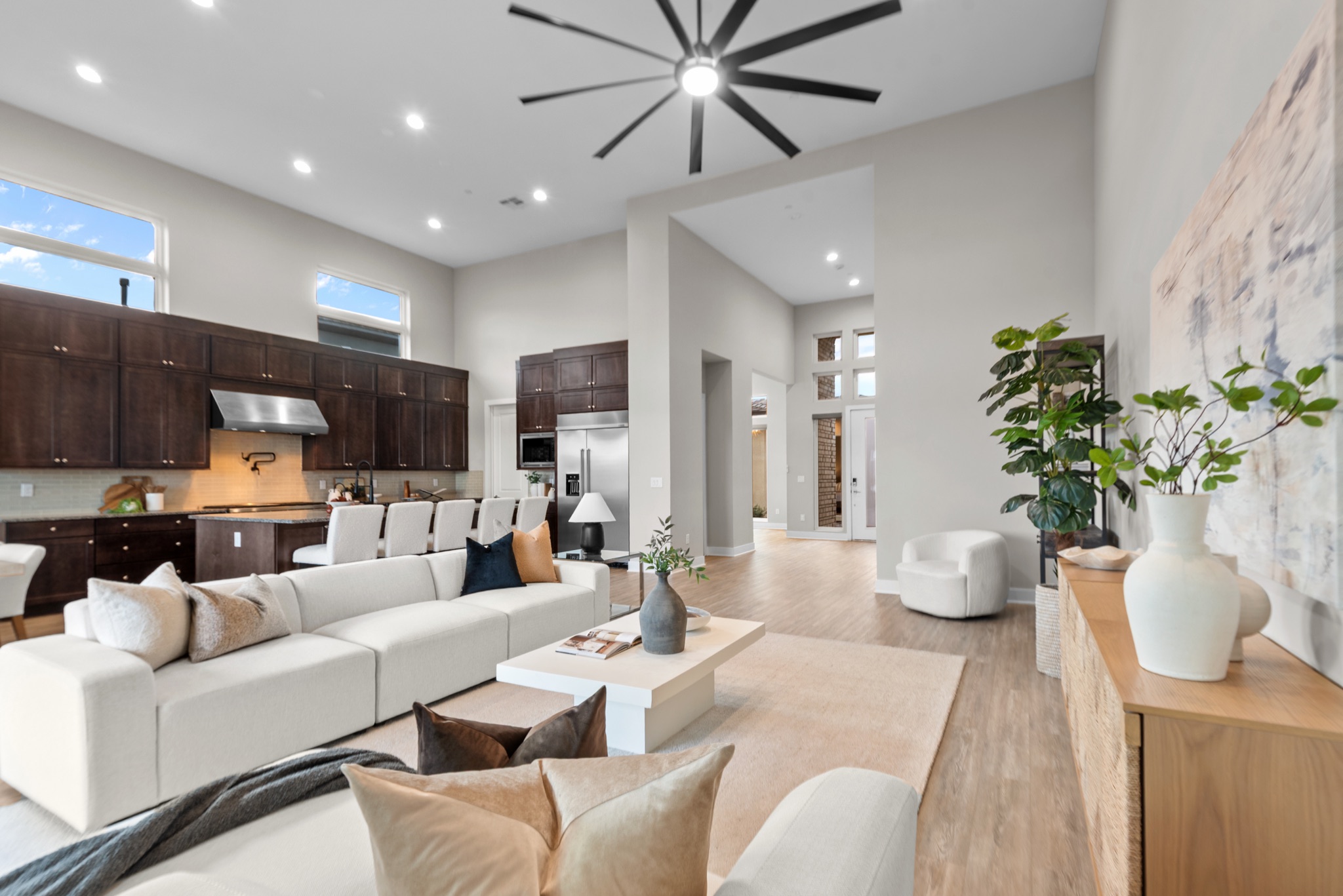
Cheap home staging in Las Vegas may feel like a smart way to save money—but those savings rarely survive contact with the market.
When sellers choose the lowest bidder, they often trigger a chain of hidden costs that far exceeds what professional staging would have required.
After staging hundreds of Las Vegas properties over the past decade—including homes featured across 11 HGTV episodes—we’ve seen the same pattern repeat: sellers save $2,000 upfront and lose $20,000 or more on the back end.
Here are the seven hidden costs that make cheap staging the most expensive option.
The “Staging Is Staging” Fallacy
Many sellers assume staging is a commodity—that one company’s work is interchangeable with another’s. This mindset leads directly to price-driven decisions.
But staging is not a commodity. It is visual marketing.
The difference between quality staging and budget staging is the same as the difference between a professional listing photo and a cell phone snapshot. Both technically exist—but only one generates demand.
According to the National Association of Realtors, 63% of seller’s agents rank design quality as the most important factor when choosing a staging company—above price.
7 Hidden Costs of Cheap Home Staging
1. Extended Days on Market ($3,000–$6,000+ per month)
Every additional month on market carries real financial weight.
Typical monthly costs for a Las Vegas home:
- Mortgage: $2,500–$4,500
- Property taxes: $300–$600
- Insurance: $100–$200
- HOA: $50–$300
- Utilities: $200–$400
- Maintenance: $150–$400
Total: $3,300–$6,400 per month
Budget staging that fails to create urgency can easily add 30–60 days on market—translating to $3,300–$12,800 in additional holding costs.
Our internal data shows professionally staged homes sell an average of 30+ days faster than those staged with budget furnishings.
2. Lower Sale Price
Cheap staging doesn’t just fail to elevate a home—it can actively reduce perceived value.
Buyers notice everything: scale, material quality, styling, and detail. Those impressions directly influence what they’re willing to pay.
NAR data shows:
- 19% of agents report staging increases offers by 1–5%
- 10% report increases of 6–10%
On a $750,000 home, even a modest 2% lift equals $15,000—but only when the staging creates aspiration, not indifference.
3. Poor Photography Performance
Your first showing doesn’t happen in person—it happens online.
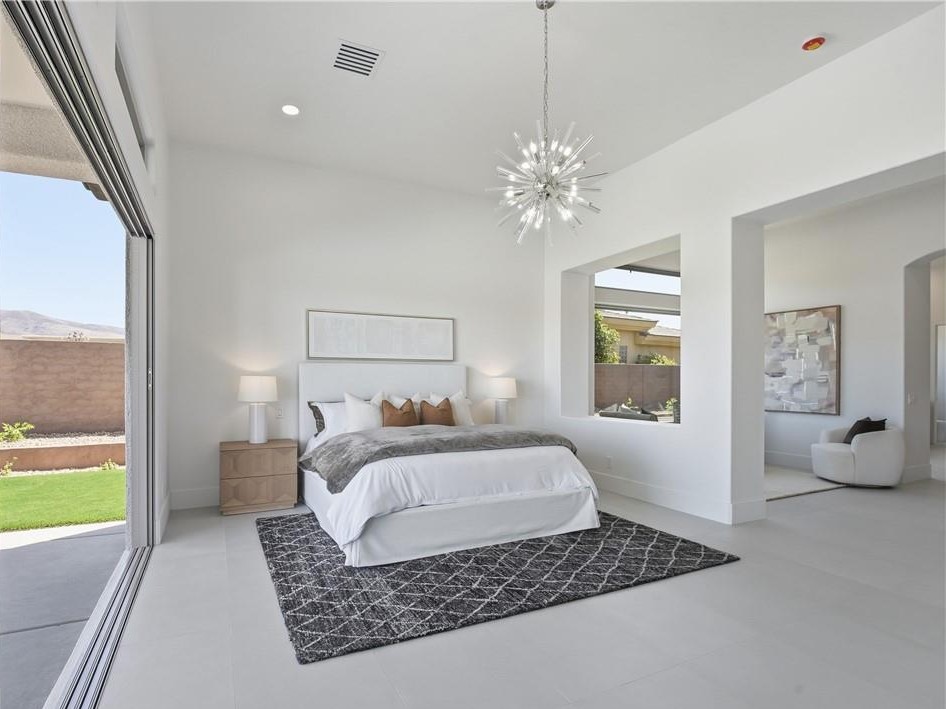
Budget staging tends to photograph flat, small, or dated. Professional staging inventory is selected specifically for how it performs on camera—considering scale, texture, contrast, and light.
When photos underperform, the funnel breaks:
fewer clicks → fewer showings → fewer offers
4. Property Damage
Professional staging companies operate with trained crews, processes, and insurance coverage. Budget providers often cut corners here.
Common issues include:
- Scratched floors from unprotected furniture
- Wall damage from improper handling
- Carpet compression from heavy, low-quality pieces
- Paint damage from leaning items
Typical repair costs:
- Floor repair: $200–$500
- Drywall/paint: $150–$400 per area
These are real, out-of-pocket expenses that often go unaccounted for upfront.
5. Re-Staging Costs
When cheap staging fails to generate traction within the first 30 days, sellers are forced into a difficult decision: reduce the price or start over.
Restaging means paying twice—removal, redesign, and reinstallation.
Typical restaging costs range from $4,000–$8,000, on top of the original spend.
We see this frequently: an attempt to save upfront leads to a significantly higher total investment.
6. Reputation Impact for the Listing Agent
This cost isn’t always financial—but it matters.
Staging quality reflects directly on the listing agent’s brand. Other agents notice. Buyers notice.
In a market where 86% of buyer’s agents say staging impacts how a home is perceived, poor staging signals a lower standard of service and attention to detail.
7. Missed Buyer Emotional Connection
Staging is not about filling rooms—it’s about creating a lifestyle buyers want to step into.
Budget staging fills space. Quality staging tells a story.
Details that matter:
- Weight and texture of textiles
- Cohesive styling
- Intentional design decisions
- Layering and balance
According to NAR, 83% of buyers’ agents say staging helps clients visualize living in the home—but only when the staging gives them something worth imagining.
The Math: How Saving $2,000 Costs $20,000
Example: $700,000 Las Vegas home
- Quality staging: $7,500
- Budget staging: $5,500
- Initial savings: $2,000
What happens next:
- Extra carrying costs (30 days): $4,500
- Price reduction: $15,000
- Repairs: $350
Total outcome:
- Quality staging total: $7,500
- Budget staging total: $25,350
The “savings” becomes a $17,850 loss.
At the $2M+ level, this gap can easily exceed $50,000.
What Quality Staging Actually Looks Like
Buyers may not always articulate it—but they feel it immediately.
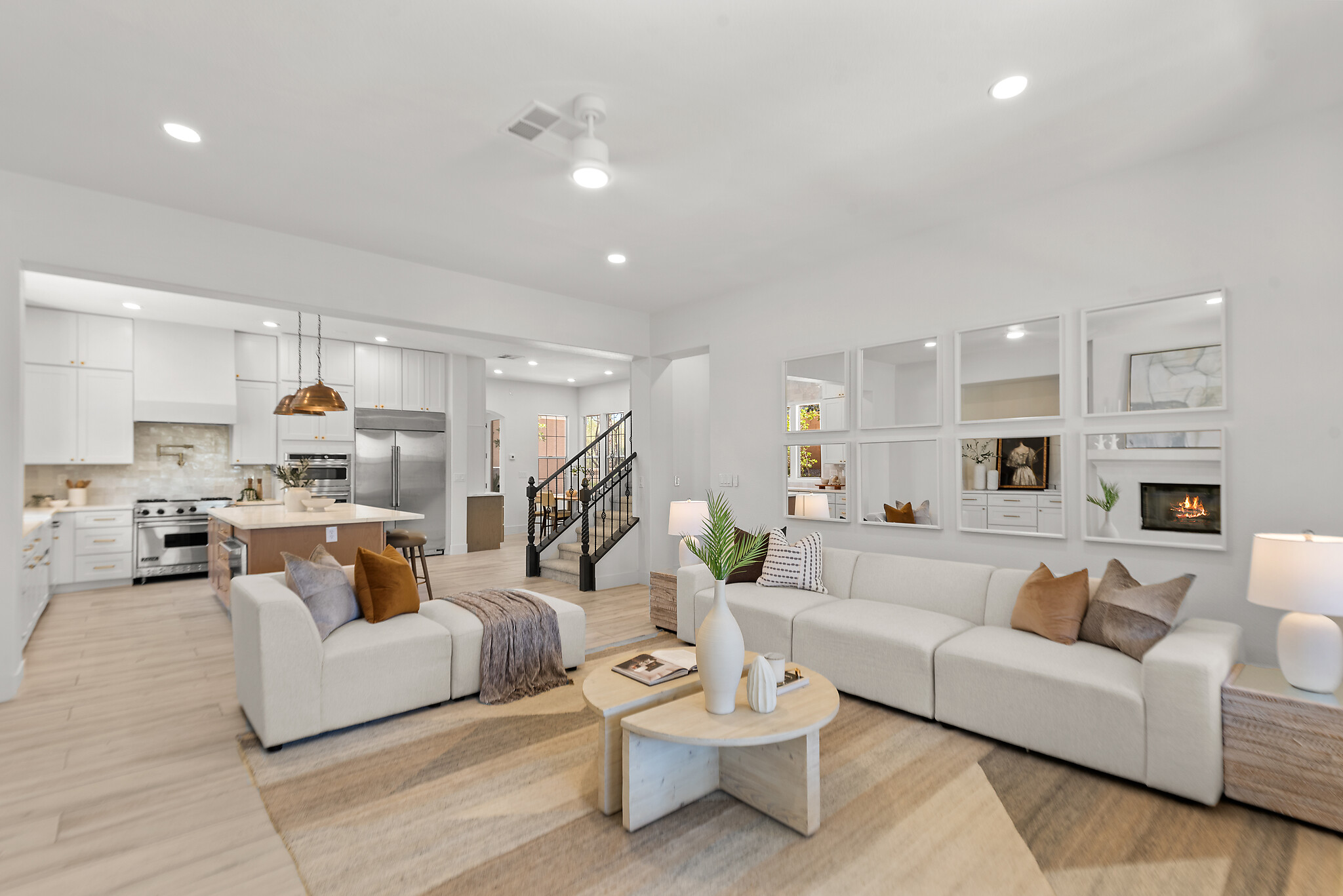
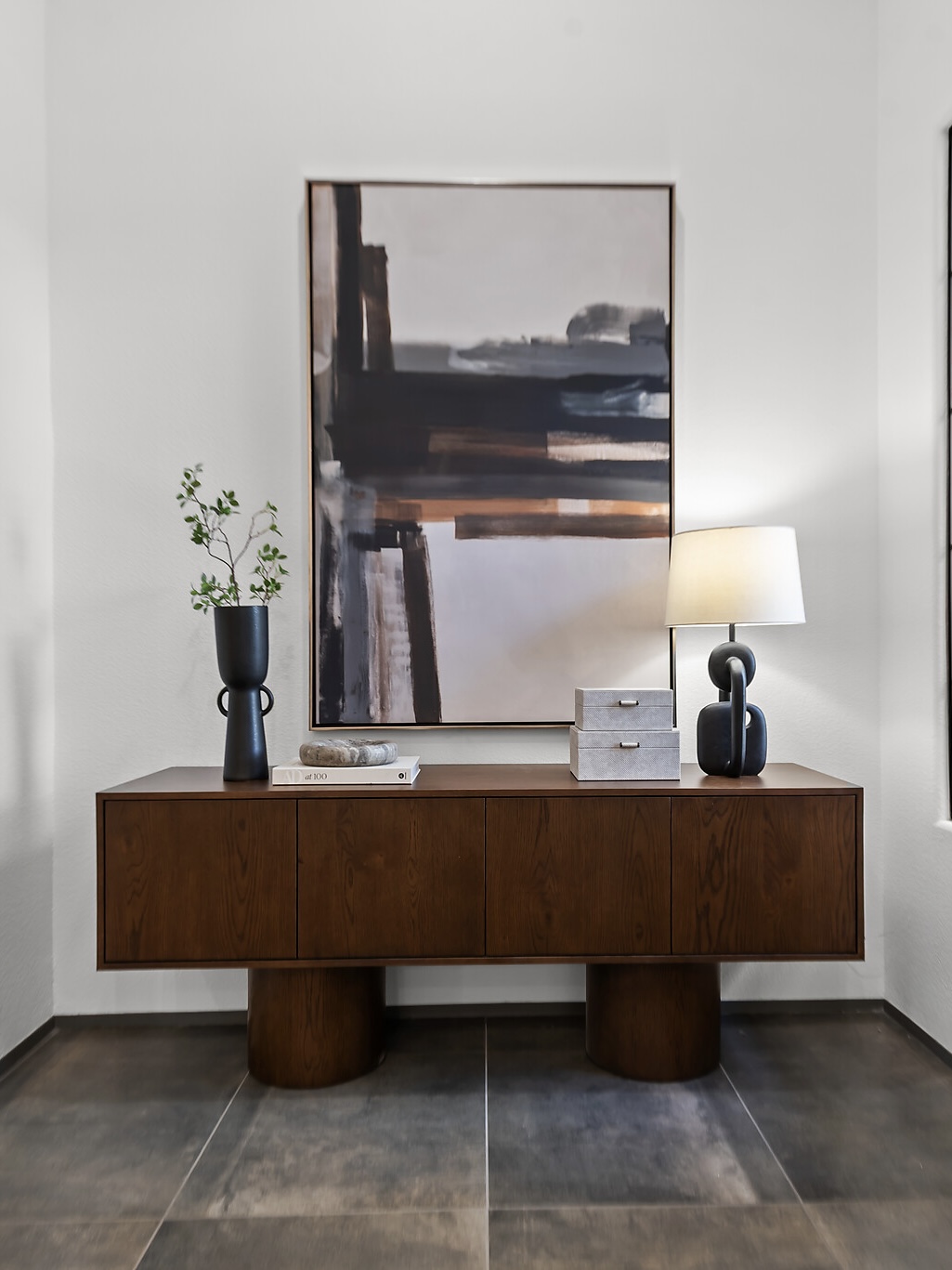
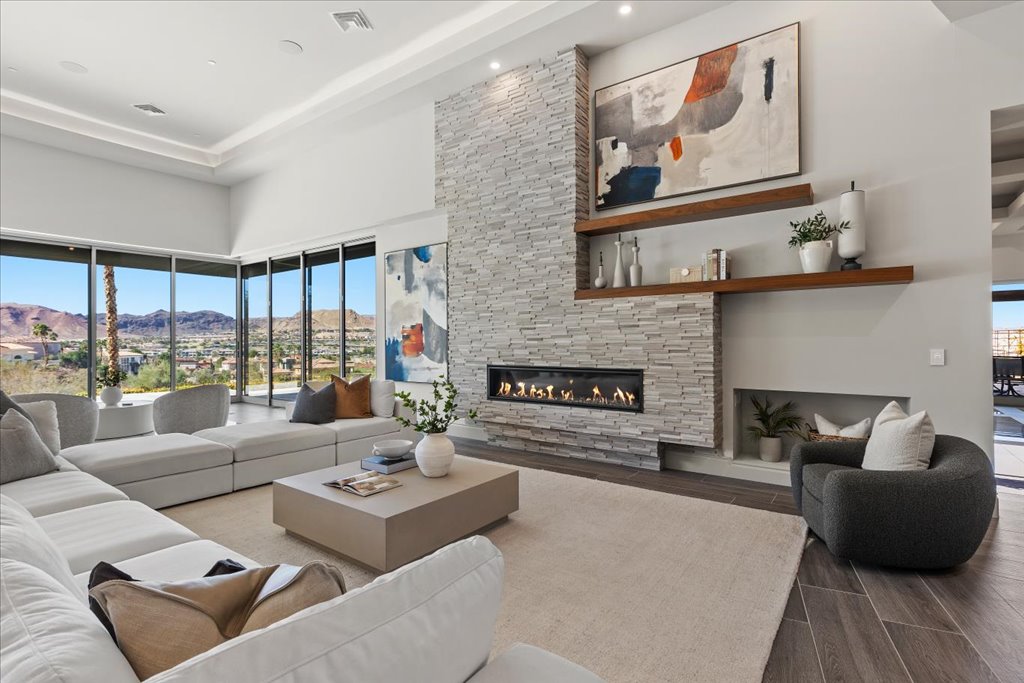
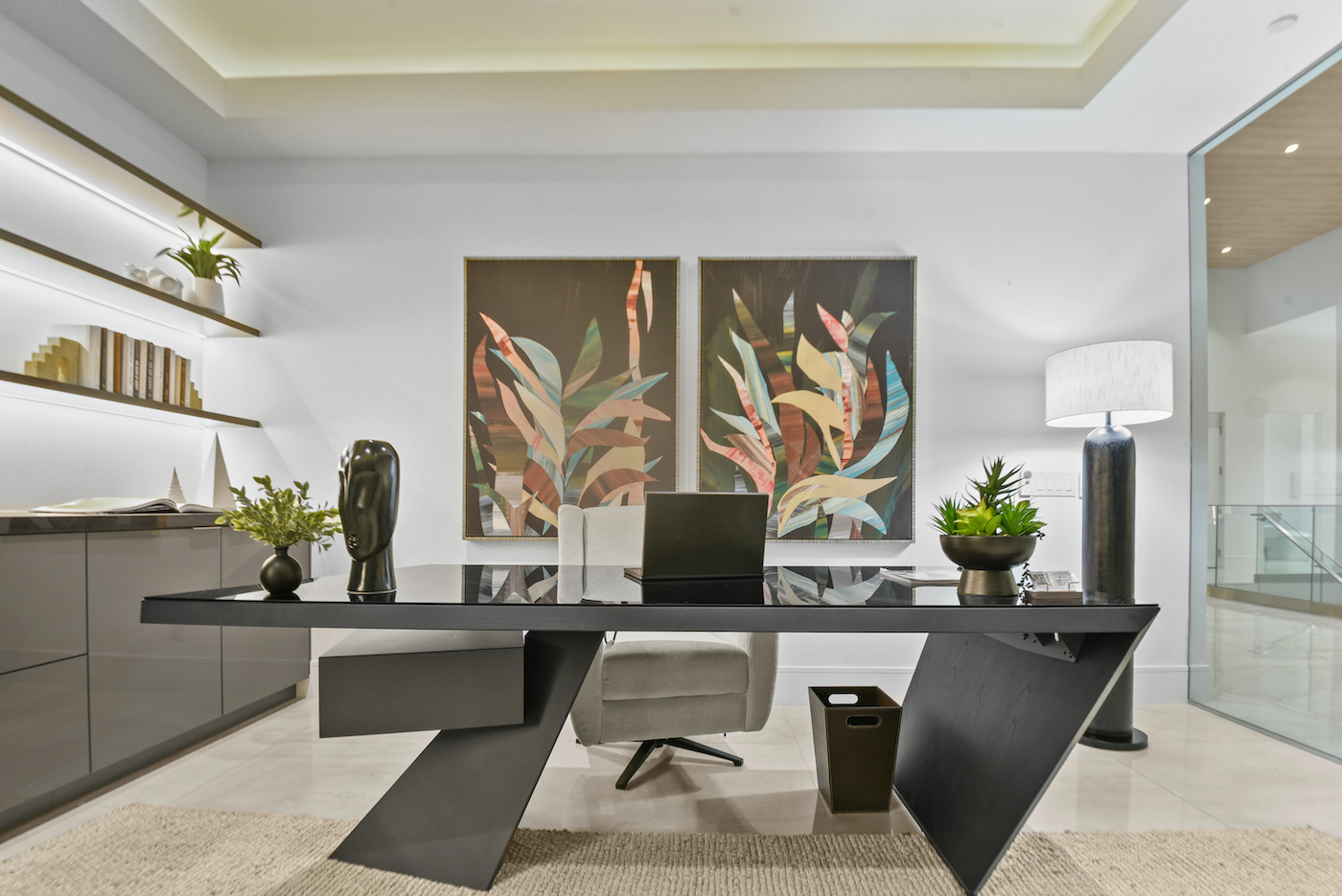
Quality staging includes:
- Correct furniture scale
- High-quality materials
- Cohesive accessories
- Clean, well-maintained inventory
- Intentional, design-driven layouts
As we often tell clients:
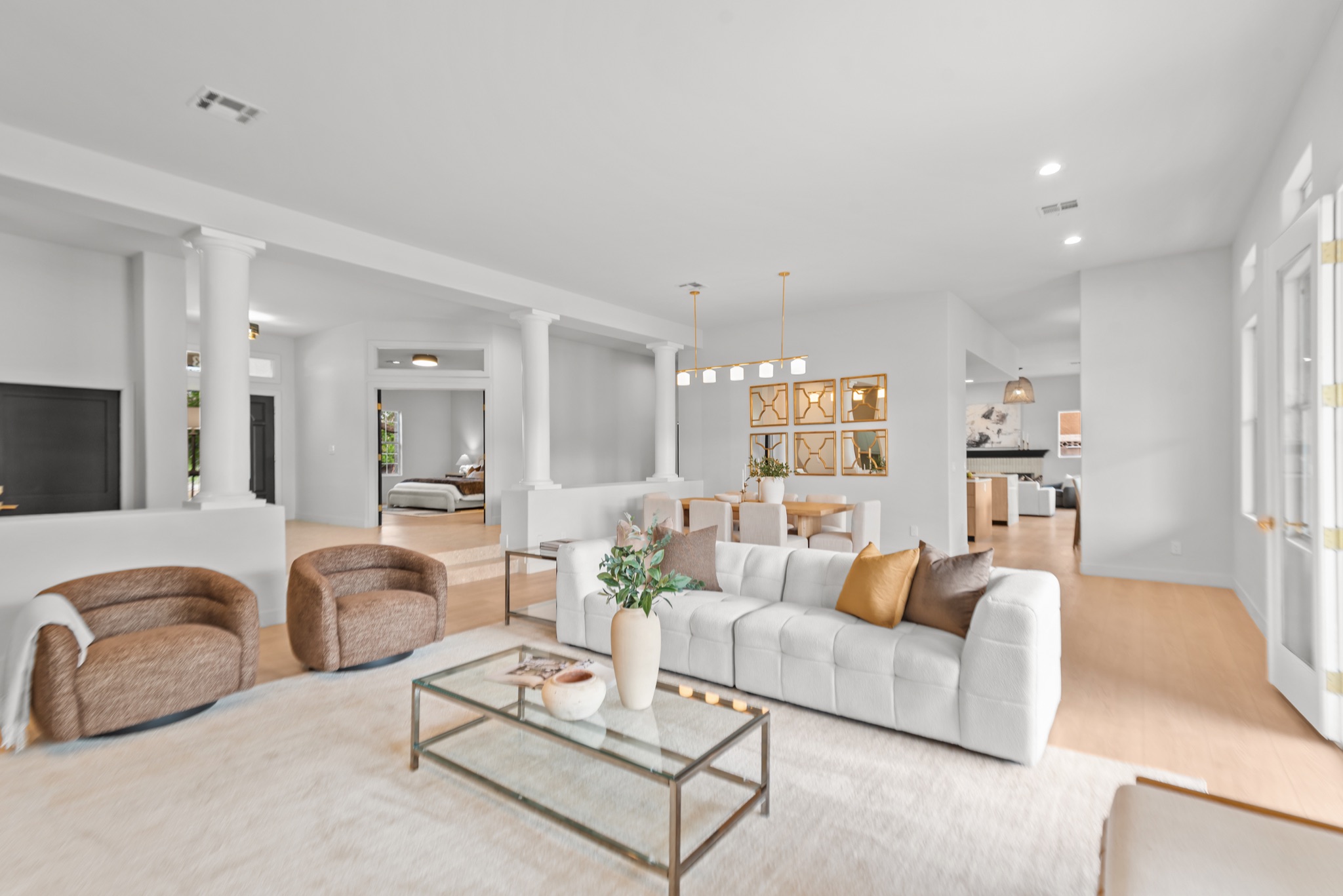
If the staging looks staged, it was done cheaply. It should feel like someone with taste and resources already lives there.
Protect Your Investment With Professional Staging
This isn’t about spending more—it’s about spending strategically.
You either invest upfront in staging that works, or you pay later through carrying costs, price reductions, and missed opportunities.
In a market where buyers decide in seconds, your staging is your first impression—and there are no second chances.
Discuss Your Las Vegas Staging Strategy
Call Scott at 702-848-3750 or request a free estimate online to discuss a staging strategy built for the Las Vegas market.