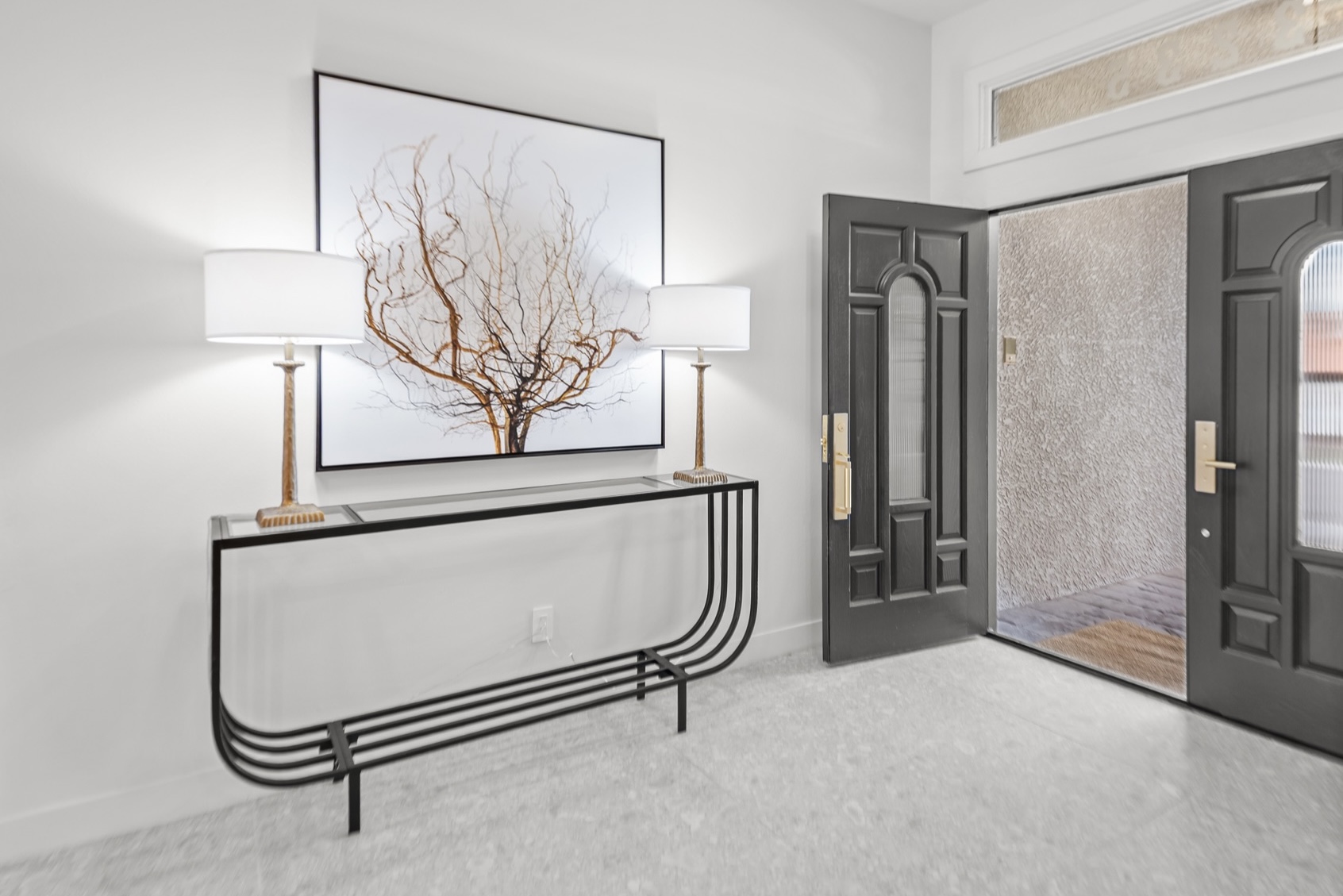
As homes spend more time on the market, many sellers are looking for ways to reduce risk.
One option that has become increasingly popular is long-term staging contracts. The logic is simple: if the home doesn’t sell, the staging stays in place.
On the surface, that sounds like a smart safeguard.
But that sense of security can sometimes distract from a more important question:
Is the goal to keep furniture in the home longer—or to create enough demand that it sells sooner?
The answer matters because staging is not simply a furniture arrangement. It’s a marketing strategy designed to influence buyer perception, create emotional connection, and generate momentum when a listing first enters the market.
And that’s where many sellers unintentionally focus on the wrong metric.
Staging Is About Results, Not Occupancy
When evaluating staging proposals, it’s natural to compare cost, contract length, and what’s included.
But the length of the staging term tells only part of the story.
Like any professional service, staging is built on resources. Inventory must be purchased, maintained, stored, transported, repaired, and refreshed. Designers spend time planning each installation. Teams require training, insurance, equipment, and experience.
When a staging company builds months of occupancy into its pricing model, those resources must be allocated differently.
The home may still be staged.
But staged and positioned at its highest potential are not always the same thing.
The real question isn’t how long furniture remains in the property.
It’s how effectively the home is presented when buyers are paying the closest attention.

The Most Important Days Are the First Days
The strongest buyer activity typically happens when a listing is new.
Buyers who have been waiting for inventory see it immediately.
Agents share it with clients.
Showing activity is often at its highest.
Online engagement spikes.
The market is paying attention.
That window is incredibly valuable—and it doesn’t repeat itself.
The purpose of staging is to maximize that opportunity.
Not by simply filling rooms with furniture, but by helping buyers emotionally connect with the property.
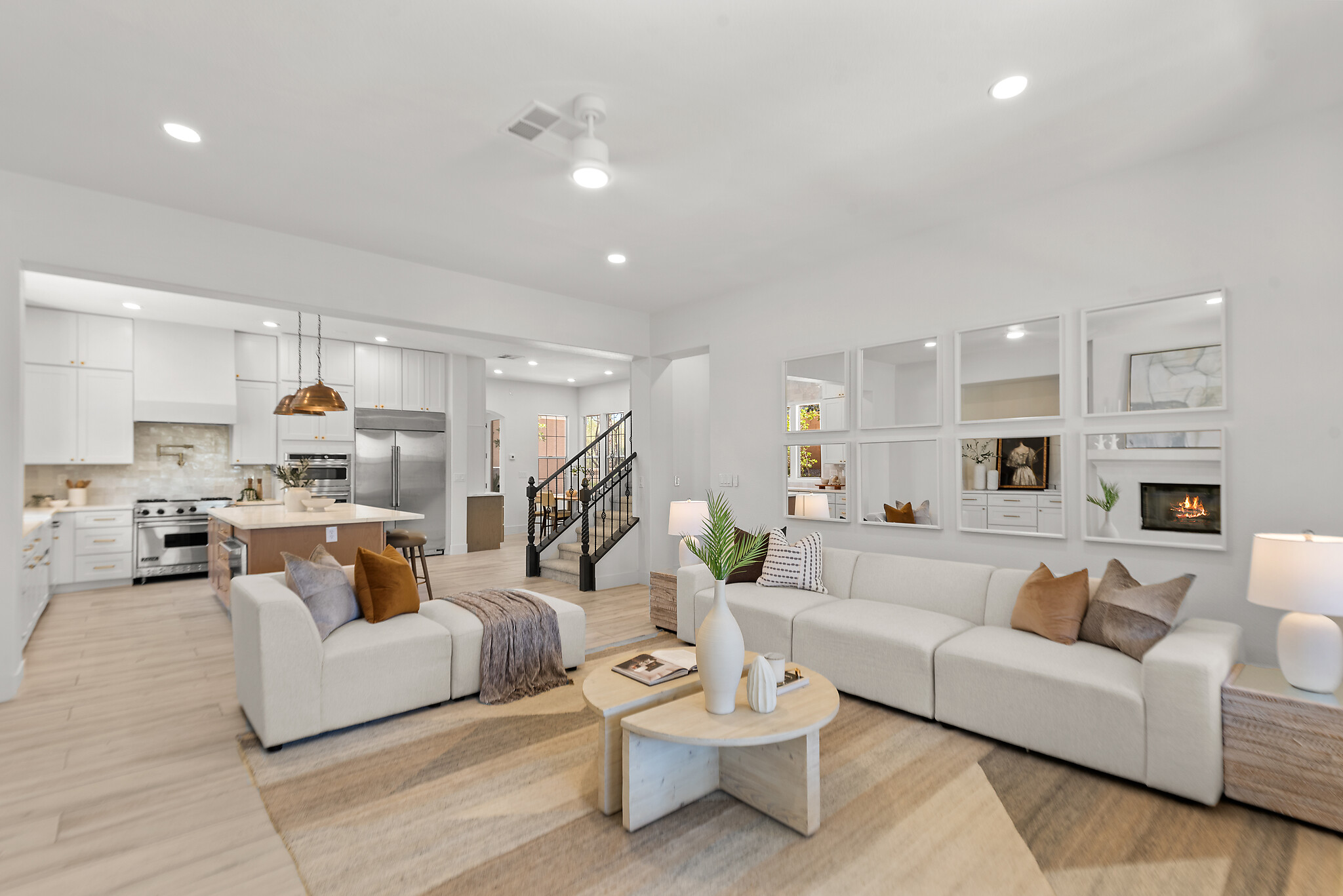
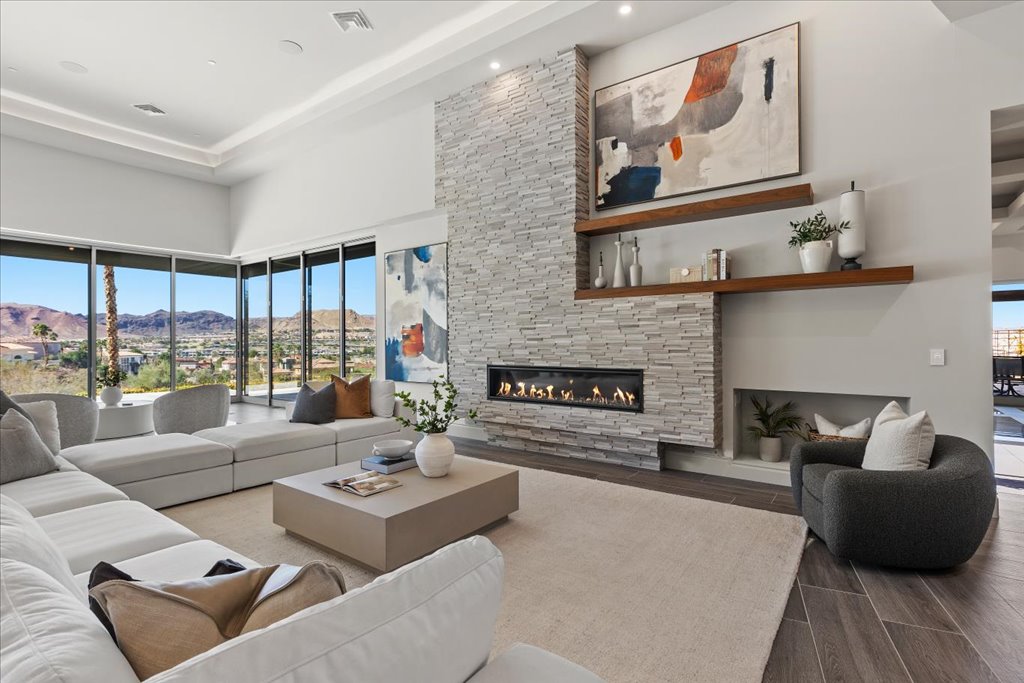
Professional staging helps buyers understand how a home lives. It solves awkward layouts. It highlights architectural features. It defines room function. It helps buyers imagine themselves living there.
Most importantly, it creates confidence.
And confidence creates offers.
When Momentum Is Lost, The Conversation Changes
Every listing begins with possibility.
Buyers ask:
“Could this be the one?”
“Should we schedule a showing?”
“Can we make this work?”
But when a home sits on the market, the conversation often changes.
Instead of focusing on possibility, buyers begin looking for explanations.
“Why hasn’t it sold?”
“What’s wrong with it?”
“How much less will they take?”
The property may be exactly the same.
The buyer’s perception is not.
Once that shift occurs, sellers often find themselves responding to the market instead of leading it.
Price reductions become more likely.
Negotiations become more aggressive.
And the home can lose the momentum it had when it first launched.
The Cost of Not Selling
The cost of a home sitting on the market is rarely measured in staging fees.
It’s measured in carrying costs, missed opportunities, and price reductions.
Mortgage payments continue.
Property taxes continue.
Insurance continues.
Utilities continue.
Maintenance continues.
A seller may spend days comparing staging proposals to save a few hundred—or even a few thousand—dollars.
Yet a single price reduction can quickly exceed those savings.
The irony is that many sellers spend more time evaluating the cost of staging than the cost of carrying a home that doesn’t sell.
Which raises an important question:
What is the true cost of not selling?
Why We Focus on First Impressions
At Utopia Home Staging, we intentionally focus our investment on transformation rather than occupancy.
We invest heavily in inventory, design planning, training, licensed and insured team members, and the time required to solve each property’s unique challenges.
Whether it’s a busy street, an awkward floor plan, dated finishes, or a well-loved home that needs buyers to see its potential, our objective is the same:
Create the strongest possible first impression while the listing has the market’s full attention.
We’re not Realtors, and pricing strategy is not our lane. But after staging hundreds of Las Vegas homes, we’ve learned that presentation and pricing perform best when they’re aligned from day one.

The Bottom Line on Long-Term Staging Contracts
Long-term staging contracts are not inherently good or bad.
They are simply one way of structuring a service.
But sellers should be careful not to confuse the length of a staging term with the effectiveness of a staging strategy.
The home staging industry has conditioned many sellers to evaluate the cost of staging.
A better question may be the cost of not selling.
Because once a listing begins chasing the market through extended exposure and price reductions, the savings from a cheaper or longer contract can disappear quickly.
The goal of staging isn’t occupancy.
It’s creating demand.
And the best time to create demand is before a listing starts chasing it.
If you’re preparing to list and want help aligning your staging timeline: Call Scott at 702-848-3750 or request a free estimate online.