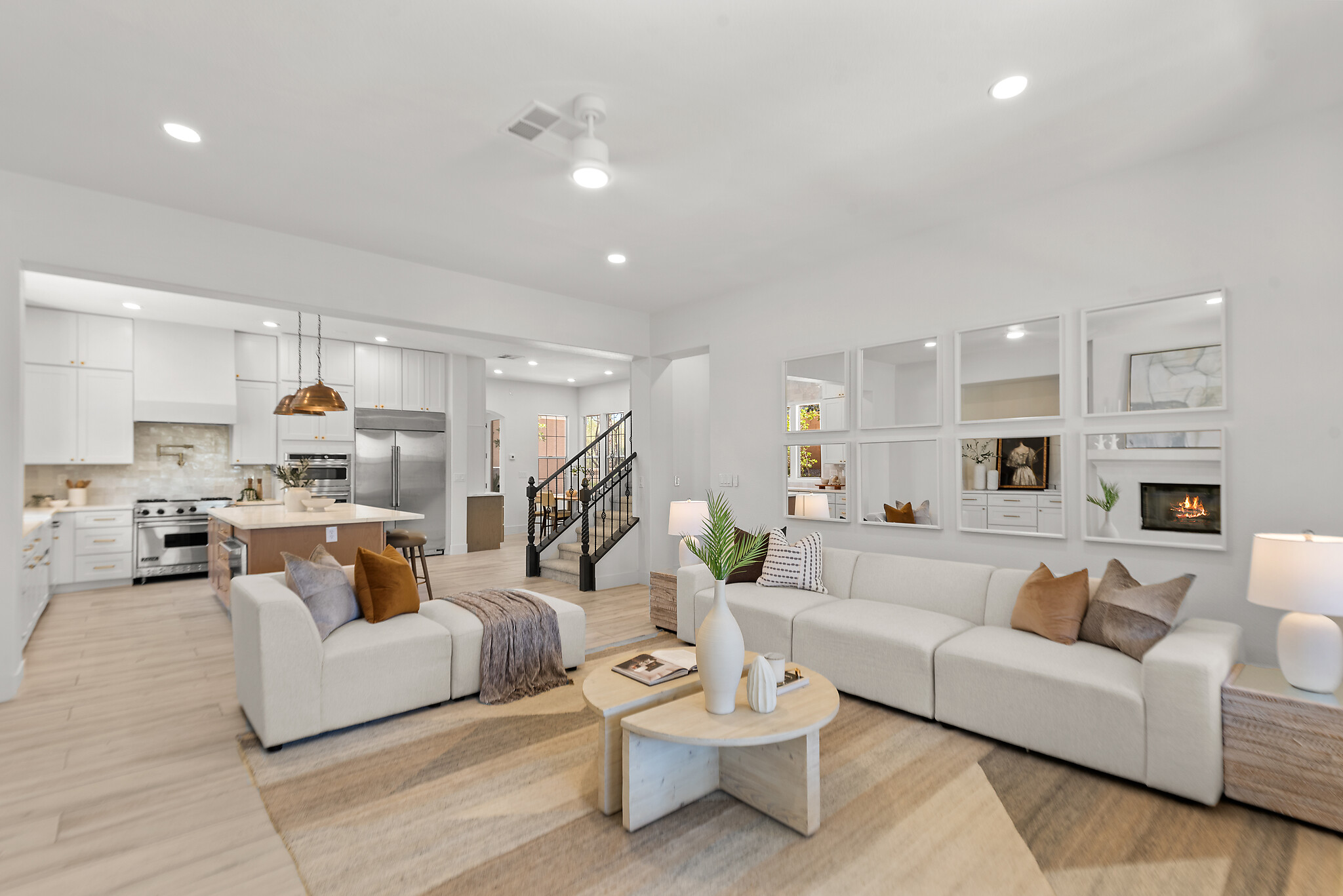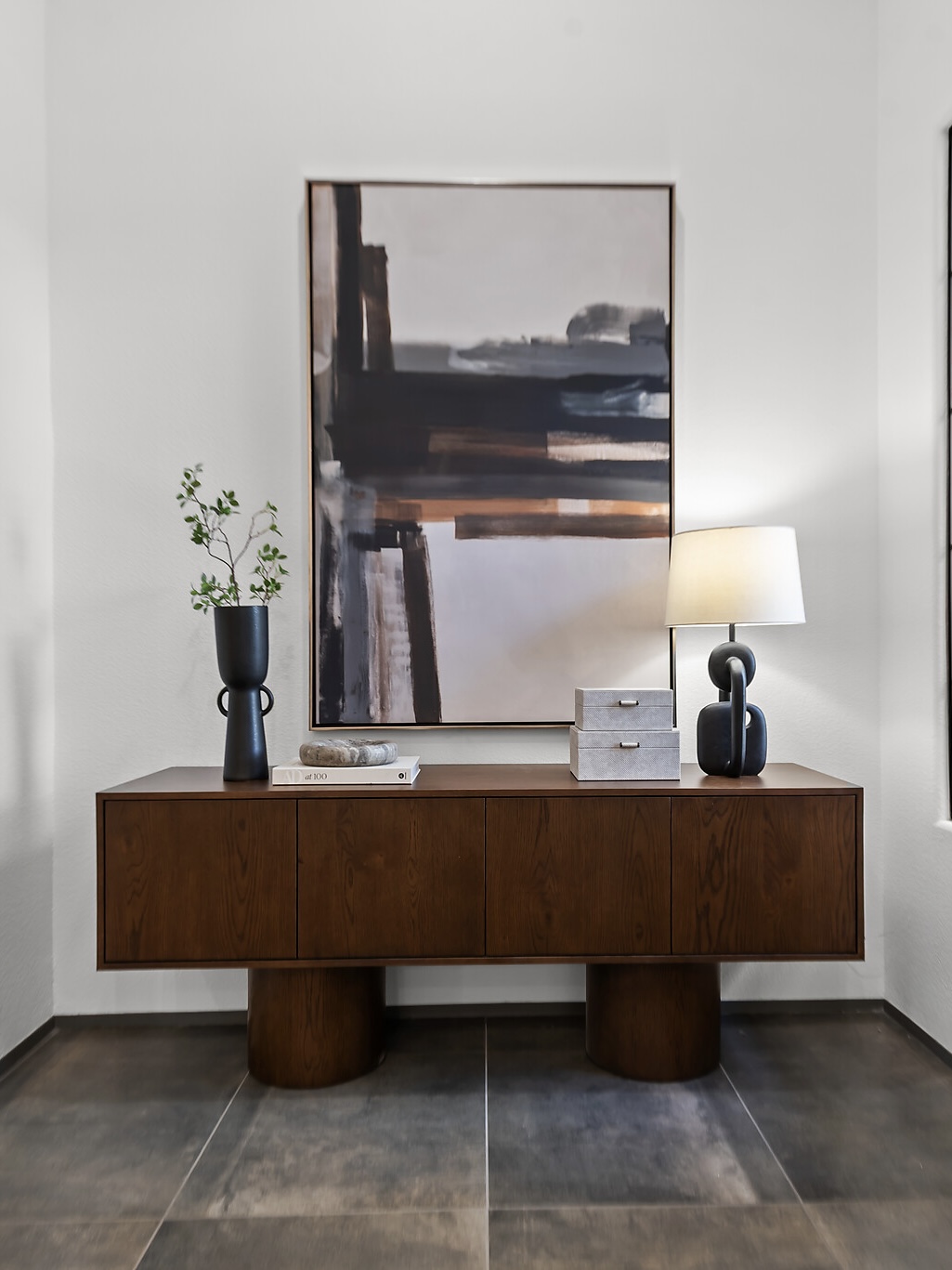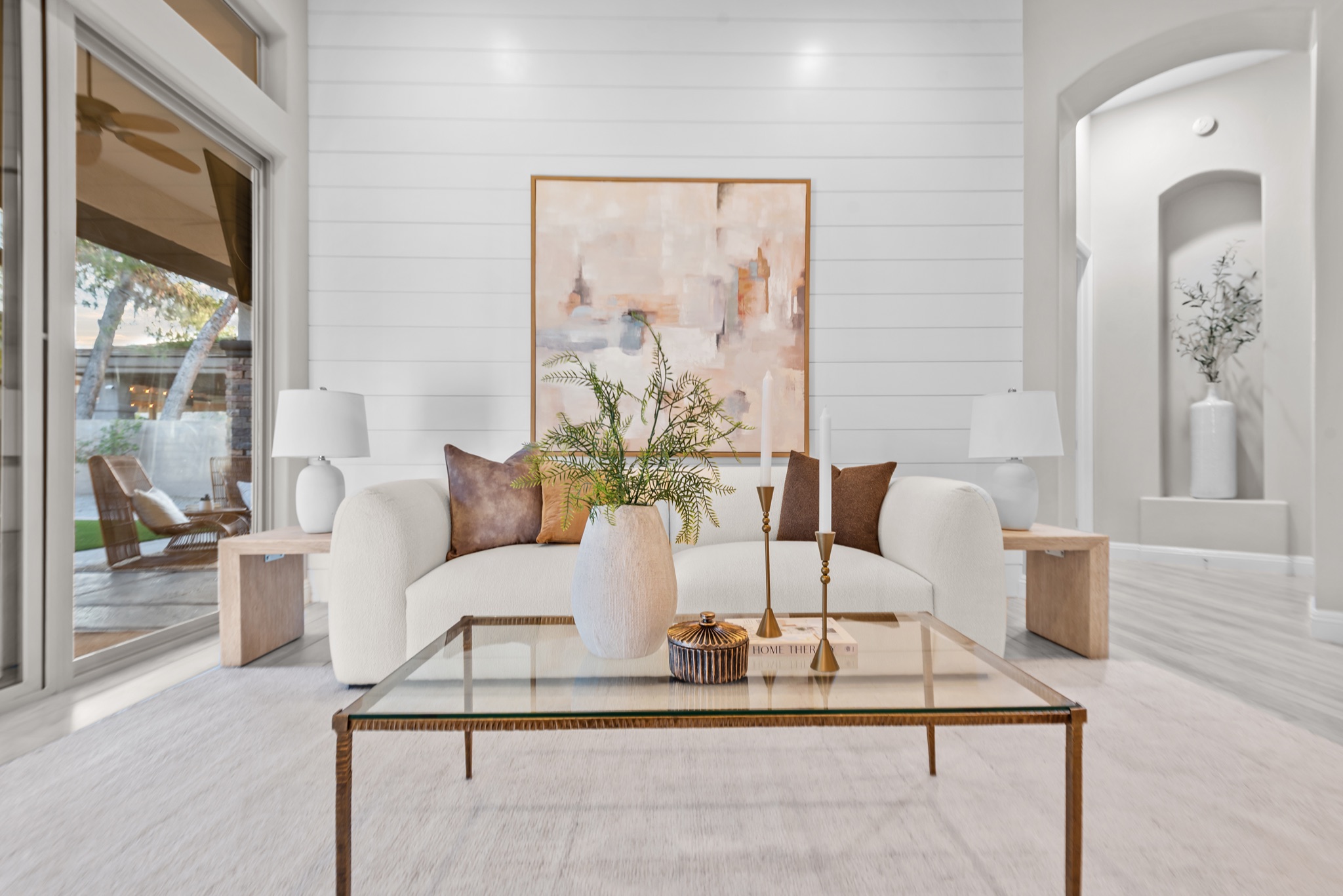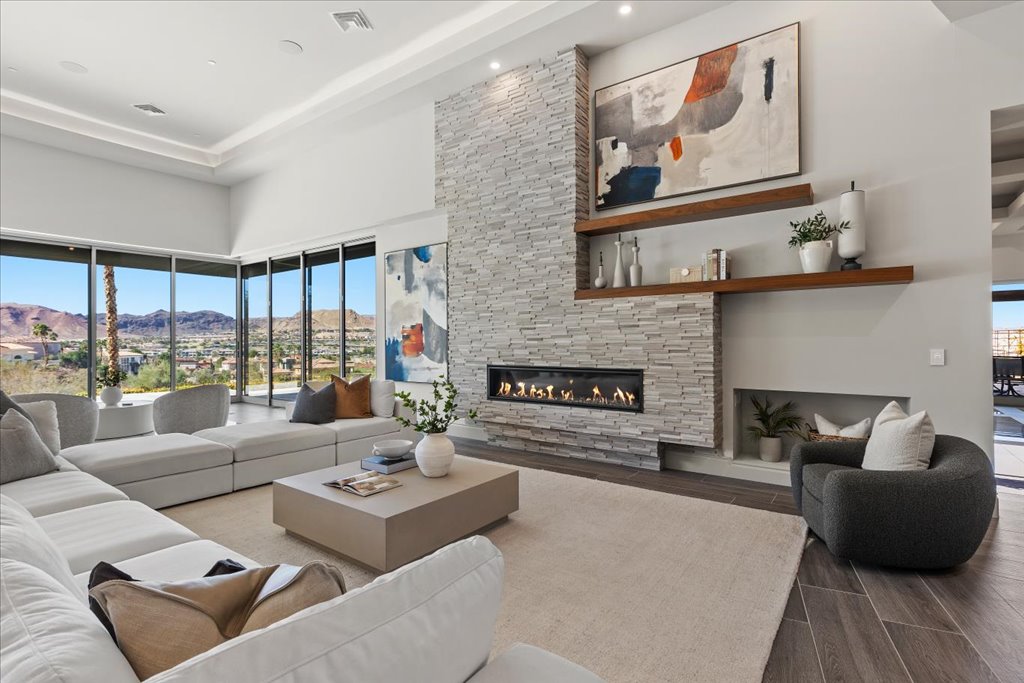
The most common staging complication has nothing to do with furniture selection, color palettes, or design style. It is timing.
Agents who integrate staging into their listing workflow from the beginning consistently get better results than agents who call a staging company as an afterthought two days before photos. The difference is not just logistical — it affects the quality of the staging, the photography, and ultimately how the listing performs online.
After staging hundreds of Las Vegas properties, we have mapped the listing agent staging timelines that produce the best outcomes and the scheduling patterns that create unnecessary stress.
Why Timing Is the Most Overlooked Part of Staging
Most agents understand the value of staging. The NAR reports that 81% of buyers’ agents say staging helps clients visualize a property as their future home. Where the process breaks down is not in the decision to stage but in when that decision gets made.
Staging is not an overnight service. It involves consultation, design planning, inventory allocation, logistics coordination, and professional installation. Each step requires time to execute properly. When that timeline gets compressed, compromises follow — and those compromises show up in the listing photos.
Listing Agent Staging Timelines: The Realistic Las Vegas Schedule
Here is what well-planned listing agent staging timelines look like in Las Vegas:
Initial Consultation: 2-3 Weeks Before Listing Photos
The staging consultation is where the design plan takes shape. A professional stager walks the property, evaluates each room, considers the target buyer demographic, and develops recommendations specific to that home.
For vacant properties, this is straightforward. For occupied homes, the consultation includes guidance on what seller furniture stays, what gets stored, and what professional pieces get added.
Scheduling the consultation 2-3 weeks before your target photo date gives everyone breathing room. The stager has time to develop a thoughtful design plan. The seller has time to complete any recommended prep work. The agent has time to coordinate photographers.
Design and Sourcing: 1-2 Weeks
After the consultation, the staging company selects specific furniture, artwork, accessories, and textiles for the property. In a high-quality staging, these pieces are curated for the home, not pulled at random from a warehouse.
This step takes time because the best results come from intentional selection. A staging company with deep inventory can move faster, but even with extensive options, the design team needs time to plan layouts, check availability, and coordinate delivery logistics.
Installation Day
A full-home staging install typically takes 4-8 hours depending on square footage and complexity. Most staging companies prefer a full day without other appointments on the schedule.
The property should be clean, all prep work completed, and the home accessible when the team arrives. When those conditions are met, installation runs smoothly. When the team arrives to find painting still in progress or construction debris in rooms, the timeline slips.
Photography Window: 1-2 Days After Install
The staging should settle for at least a day before photography. This allows time for any final adjustments — a lamp that needs repositioning, accessories that need fine-tuning, or outdoor spaces that need attention after the main install.
Professional photographers also need scheduling lead time. Coordinating staging install and photography as a single sequence, rather than as separate last-minute bookings, produces noticeably better results.
When Agents Wait Too Long
The most common scenario we see: an agent signs a listing agreement, spends two weeks on prep and pricing discussions, then calls about staging expecting installation within three days.
At that point, several problems converge:
- Inventory may be committed. Staging companies manage finite furniture inventory across multiple active projects. Last-minute requests compete with previously scheduled installations.
- The design is rushed. A consultation-to-install sprint means less time for thoughtful curation and more reliance on available inventory rather than ideal selections.
- Photography gets compressed. When staging installs late, photographers get squeezed into whatever window remains before the target listing date.
- The listing launch suffers. Photos shot in a rush, with staging that was designed in a rush, for a home that was prepped in a rush — the results reflect every shortcut.
None of this is necessary. Building staging into the listing timeline from day one eliminates all of it.
Peak Season vs Off-Peak Staging Availability in Las Vegas
Las Vegas does not have the dramatic seasonal swings of northern markets, but staging demand does follow patterns:
Higher demand periods:
- Late February through May (spring market)
- September through mid-November (fall market)
More flexible periods:
- June through August (summer slowdown, though steady)
- Late November through January
Adjusting listing agent staging timelines for these patterns is simple once you know them. During peak periods, booking 3-4 weeks ahead is not overly cautious — it is practical. During slower months, tighter timelines are sometimes possible, but planning ahead always produces better outcomes. For more on seasonal planning, see our guide to preparing for the Las Vegas spring selling season.
How to Build Listing Agent Staging Timelines Into Your Workflow
The agents who get the most from staging treat it as step two in their listing process, not step eight:
- Sign the listing agreement
- Contact the staging company for a consultation (same week)
- Determine pricing strategy
- Order pre-listing inspections
- Complete seller prep based on staging consultation recommendations
- Staging installation
- Professional photography (1-2 days post-install)
- Listing goes live
When staging consultation happens at step two, every subsequent step benefits. The seller gets clear prep guidance early. The design plan has time to develop properly. The photography captures a home that has been thoughtfully staged rather than hastily assembled.
Communication That Makes Everything Smoother
The agent-stager relationship works best with proactive communication. A few practices that experienced agents have told us make the biggest difference:
Share the listing timeline upfront. When we know your target listing date at the consultation, we can work backward and build a realistic schedule.
Communicate seller situations honestly. If the home is occupied and the seller is resistant to removing personal items, let us know early. We adjust our approach and timeline accordingly.
Confirm access logistics. Lockbox codes, gate codes, alarm codes, pet situations, contractor schedules — the more we know before install day, the smoother everything runs.
Trust the process. The staging consultation may recommend changes the seller resists. Agents who reinforce the stager’s professional guidance get better cooperation and better results.
What This Means for Your Next Listing
Listing agent staging timelines produce the strongest results when staging is treated as a planned component of the strategy rather than a last-minute addition. The timeline investment is modest — starting the conversation 2-3 weeks earlier than you might otherwise — and the return on that planning shows up in better photos, faster showings, and stronger offers.
If you are listing a property in Las Vegas and want to discuss staging timelines, we are happy to walk through the scheduling process and help you build staging into your listing workflow from the start.
Call Scott at 702-848-3750 or request a free estimate online to schedule a consultation.